Mastering Productivity: How to Write an Effective “To-Don’t” List
In our quest for productivity, we often focus on to-do lists. These are the tasks we need to accomplish, guiding our daily activities. However, there’s another, equally important concept: the ‘to-don’t’ list. This isn’t about piling more tasks onto your already full plate. Instead, it’s about identifying what you should stop doing or avoid, which can significantly boost your time management and productivity.
Here are four practical tips to help you create a powerful to-don’t list:
Transform Your To-Dos into To-Don’ts: Start with your current to-do list. Look at each item and think about how it could be reframed as a to-don’t. For instance, if your to-do is “reach out to 5 new potential clients a week,” your to-don’t might be “don’t connect with fewer than 5 new potential clients per week.”
Identify Obstacles to Your To-Dos: Consider what’s hindering you from accomplishing your tasks. If your to-do is “connect with more people in my community,” reflect on what’s preventing this. Perhaps you’ve been waiting for others to make the first move. Therefore, your to-don’t could be “don’t wait for others to reach out first.”
Address Underlying Barriers: Reflect on the factors like inner criticism, perfectionism, or procrastination that impede your progress. Turn these into to-don’ts such as “don’t listen to my inner critic,” “don’t be a perfectionist,” or “don’t procrastinate.”
Collaborate for Insight: If you’re finding it challenging, brainstorm with someone else. Getting a fresh perspective can be enlightening. Discuss potential to-don’ts in your life and help them identify theirs too.
By shifting focus from what to do to what not to do, you can streamline your efforts towards productivity and efficiency. Try incorporating these tips into your routine and notice the positive changes in your productivity journey.
5 Actionable Tips for Practicing Personal Accountability to Achieve Your Goals
Personal accountability is crucial for our growth and success, whether in our personal lives or professional careers. It’s more than just a concept—when practiced effectively, personal accountability can help you achieve your goals. Here are five actionable tips to help you approach your objectives with greater discipline and determination.
1. Schedule Regular Progress Check-Ins
One of the simplest ways to stay accountable is by having someone in your network regularly check in on your progress. This could be a friend, family member, or colleague. For example, if you’re saving for a special purchase, have them ask you regularly about your savings. Similarly, if you’re learning a new language, ask a family member to inquire about your practice routine. These regular check-ins help keep your goals top of mind and create a sense of responsibility.
2. Partner with a Goal Buddy
Find a friend or colleague who shares a similar goal. This method is like having a workout buddy who motivates you to stay on track. Knowing someone else is counting on you can significantly boost your commitment to your goal. For example, if you’re both studying for an exam or certification, you can schedule regular study sessions together. This accountability boosts focus and helps keep you on target.
3. Set Clear Deadlines
Deadlines are powerful motivators. When I wrote my book, 7 Forms of Respect, I set strict deadlines for each chapter and shared the drafts with peers for feedback. This external accountability pushed me to stay on schedule. You can apply the same method to work projects, such as committing to a colleague to complete a section of a joint presentation by a certain date. Setting clear, firm deadlines creates a sense of urgency that propels you forward.
4. Introduce a Financial Element to Your Goals
Adding a monetary component to your goals can be a strong motivator. For example, if you’re trying to reduce screen time, commit to paying a friend every time you exceed your daily limit. Or, if you’re working on punctuality, pledge a small donation to a charity every time you’re late to a meeting. This financial accountability adds a tangible consequence, making it easier to stay focused on your objectives.
5. Reverse the Financial Incentive for Motivation
Get creative with financial incentives. For example, if you’re trying to quit a bad habit like nail-biting, create a rule where every time you slip up, your accountability partner contributes to your savings fund. This reversal of the financial incentive adds an extra layer of motivation, turning the negative into a positive reinforcement. This approach can help break habits and maintain focus on your goals.
By implementing these strategies, you can enhance your personal accountability in a way that’s both effective and engaging.
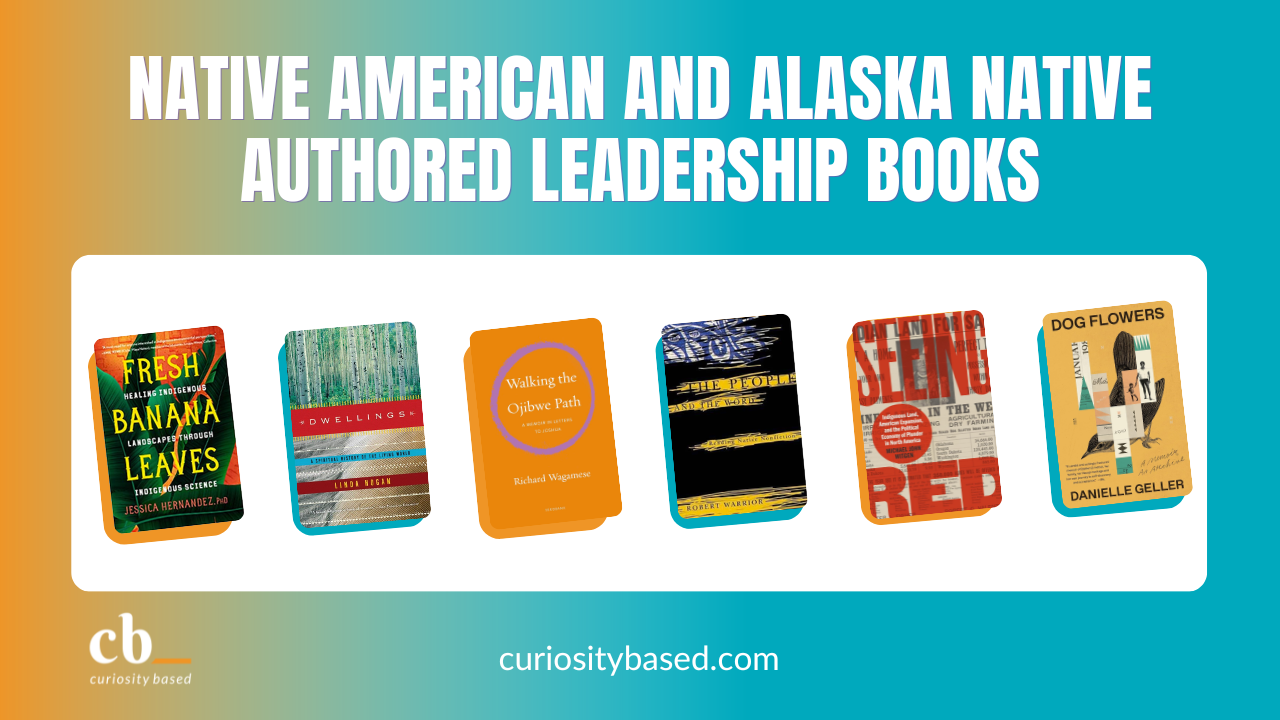
We created this list to promote leadership narratives written by people of Native American and Alaska Native Heritage. This list is meant to be a resource, not an official endorsement. The books are not ranked or listed in any particular order.
You Don’t Have to Say You Love Me by Sherman Alexie
Recovering the Sacred: The power of naming and claiming by Winona LaDuke
Braiding Sweetgrass: indigenous wisdom, scientific knowledge, and the teachings of plants by Robin Wall Kimmerer
The Tao of Raven: An Alaska Native Memoir by Ernestine Hayes
Black Indian: A memoir by Shonda Buchanan
Custer Died for Your Sins: An Indian manifesto by Vine deLoria Jr.
Where White Men Fear to Tread: The autobiography of Russell Means by Russell Means and Marvin J. Means
Prison Writings: My life is my Sun Dance by Leonard Peltier
The School Days of an Indian Girl, and an Indian Teacher Among Indians by Zitkala-Sa
The Man Made of Words: Essays, stories, passages by N. Scott Momaday
Muscogee Daughter: My sojourn to the Miss America Pageant by Susan Supernaw
Life of Black Hawk, or Ma-ka-tai-me-she-kia-kiak: Dictated by himself by Black Hawk
Our History Is the Future: Standing Rock Versus the Dakota Access Pipeline, and the Long Tradition of Indigenous Resistance by Nick Estes
Code Talker: The first and only memoir of the original Navajo Code Talkers of WWII by Chester Nez
Abandon Me: Memoirs by Melissa Febos
Heart Berries by Terese Marie Mailhot
As Long As Grass Grows: The Indigenous Fight for Environmental Justice, from Colonization to Standing Rock by Dina Gilio-Whitaker
Crazy Brave: A Memoir by Joy Harjo
Gathering Moss: A Natural and Cultural History of Mosses by Robin Wall Kimmerer
God is Red: A Native View of Religion by Vine deLoria Jr.
The Heartbeat of Wounded Knee by David Treuer
The Inconvenient Indian: A Curious Account of Native People in North America by Thomas King
Lakota Woman by Mary Brave Bird
#Not Your Princess: Voices of Native American Women by Lisa Charleyboy and Mary Beth Leatherdale (editors)
The Turquoise Ledge by Leslie Silko
Men We Reaped: A Memoir by Jesmyn Ward
Dwellings: A Spiritual History of the Living World by Linda Hogan
Bad Indians: a Tribal Memoir by Deborah Miranda
Night Flying Woman: An Ojibway Narrative by Ignatia Broker
Dog Flowers: A Memoir by Danielle Geller
Portage Lake: Memories of an Ojibwe Childhood by Maude Kegg
Everything You Wanted to Know about Indians But Were Afraid to Ask by Anton Treuer
The Assassination of Hole in the Day by Anton Treuer
As We Have Always Done: Indigenous Freedom Through Radical Resistance by Leanne Betasamosake Simpson
Nooping: The Cure for White Ladies by Leanne Betasamosake Simpson
The People and the Word: Reading Native Nonfiction by Robert Warrior
Tribal Secrets: Recovering American Indian Intellectual Traditions by Robert Warrior
Like a Loaded Weapon by Robert A. Williams Jr.
Bear Island: The War at Sugar Point by Gerald Vizenor
The Third Space of Sovereignty by Kevin Bruyneel
Navajo Courts and Navajo Common Law: A Tradition of Tribal Self-Governance by Raymond D. Austin
Firsting and Lasting: Writing Indians out of Existence in New England by Jean O’Brien
X-Marks by Scott Richard Lyons
Red Skin, White Masks: Rejecting the Colonial Politics of Recognition by Glen Sean Coulthard
The Queerness of Native American Literature by Lisa Tatonetti
Speaking of Indigenout Politics: Conversations with Activists, Scholars, and Tribal Leaders by J. Kehaulani Kauanui and Robert Warrior
Standing with Standing Rock: Voices from the #NoDAPL Movement by Nick Estes and Jaskiran Dhillon
Hungry Listening: Resonant Theory for Indigenous Sound Studies by Dylan Robinson
Written by the Body: Gender Expansiveness and Indigenous Non-Cis Masculinities by Lisa Tatonetti
Remembering Our Intimacies: Mo’olelo, Aloha ‘Aina, and Ea by Jamaica Heolimeleikalani Osario
Everything You Know About Indians is Wrong by Paul Chatt Smith
Red Nation Rising: From Bordertown Violence to Native Liberation by Nick Estes, Melanie K. Yazzi, Jennifer Nez Denetdale, and David Correia
Wiping the War Paint off the Lens: Native American Film and Video by Beverly Singer
The People Shall Continue by Simon Ortiz
Poet Warrior: A Memoir by Joy Harjo
The Four Hills of Life: Ojibwe Wisdom by Thomas Peacock and Marlene Wisuri
The Sacred Hoop: Recovering the Feminine in American Indian Traditions by Paula Gunn Allen
Critically Sovereign: Indigenous Gender, Sexuality, and Feminist Studies by Joanne Barker
For indigenous Eyes only: A Decolonization Handbook by Waziyatawin and Michael Yellow Bird
Mark My Words: Native Women Mapping Our Nations by Mishuana Goeman
The Beginning and End of Race: Confronting Sexual Violence in Native America by Sarah Deer
When My Brother Was an Aztec by Natalie Diaz
A History of my Brief Body by Billy-Ray Belcourt
Starvation Mode by Elissa Washuta
The Roots of Ticasuk by Ticasuk (Emily Ivanoff Brown)
Native American DNA by Kim TallBear
Fresh Banana Leaves: Healing Indigenous Landscapes Through Indigenous Science by Jessica Hernandez, PhD
Pollution is Colonialism by Max Libioron
Making Love with the Land by Joshua Whitehead
Nulato: An Indian Life on the Yukon by Poldine Carlo
Cold River Spirits: Whispers from a Family’s Forgotten Past by Jan Harper-Haines
Two Old Women: An Alaska Legend of Betrayal, Courage and Survival by Velma Wallis
Bad Girl and the Man who Followed the Sun by Velma Wallis
Raising Ourselves: A Gwitch’in Coming of Age Story from the Yukon River by Velma Wallis
We Have Not Stopped the Trembling Yet: Letters to my Filipino-Athabascan Family by E.J.R David
Qulirat Qanemcit-Ilu Kinguvarcimalriit: Stories for Future Generations by Paul John
Yuuyaraq: The Way of the Human Being by Harold Napoleon
A Yupiaq Worldview: A Pathway to Ecology and Spirit by Anagyuqaq Kawagley
Qanruyuteput IInruugut: Our Teachings Are Medicine by Alice Rearden
Yupiit Qanruyutait: Yup’ik Words of Wisdom by Ann Fienup-Riordan
Rock Piles Along the Eddy by Ishmael Hope
Blonde Indian: An Alaska Native Memoir by Ernestine Hayes
Indian Stories: Ahtna India Stories from Cantwell, Alaska by Jake Tansy
Cormorant Hunter’s Wife by Joan Naviyuk Kane
Roughly for the North by Carrie Ayagduk Ojanen
People of Kauwerak: Legends of the Northern Eskimo by William A. Oquilluk
Takes of Ticasuk: Eskimo Legends and Stories by Ticasuk Emily Ivanoff Brown
Fifty Miles from Tomorrow: A Memoir of Alaska and the Real People by William Iggiagruk Hensley
Sand Talk: How Indigenous Thinking Can Save the World by Tyson Yunkaporta
Red Paint: The Ancestral Autobiography of a Coast Salish Punk by Sasha Lapointe
Black and Blue: A Memoir of Racism and Resilience by Veronica Gorrie
Spílexm: A Weaving of Recovery, Resilience, and Resurgence by Nicola I. Campbell
Peyakow: Reclaiming Cree Dignity by Darrel McLeod
White Magic by Elissa Washuta
An Indian Among Los Indígenas: A Native Travel Memoir by Ursula Pike
Carry: A Memoir of Survival on Stolen Land by Toni Jensen
A Mind Spread Out on the Ground by Alicia Elliott
Project 562: Changing the Way We See Native America by Matika Wilbur
Know We Are Here: Voices of Native California Resistance by Terria Smith
Think Indigenous: Native American Spirituality for a Modern World by Doug Good Feather
Girlhood by Melissa Febos
The Rediscovery of America by Ned Blackhawk
Seeing Red: Indigenous Land, American Expansion, and the Political Economy of Plunder in North America by Michael John Witgen
In our ongoing quest at CuriosityBased to foster a culture of continuous learning and curiosity in professional settings, we encounter various challenges that teams and leaders face. One such pervasive issue in the nonprofit sector is burnout. This phenomenon, often overshadowed by the day-to-day demands of the job, calls for a deeper understanding and innovative solutions. In an engaging episode of The Nonprofit MBA Podcast, CuriosityBased CEO Dr. Julie Pham joins Stephen Halasnik from Financing Solutions to explore a nuanced approach to combatting burnout, centered around the concept of respect in the workplace.
The Nonprofit MBA Podcast
PRESS RELEASE
November 18, 2023
Reducing Burnout: The 7 Forms of Respect® For Nonprofit Leaders and Teams
The Nonprofit MBA Podcast
Over the years, burnout among nonprofit leaders, employees, and volunteers has been a real and pervasive challenge. One could link it to the highly demanding nature of the job and, to some extent, the personalities of these individuals. However, a closer look at the issue has revealed that burnout could be reduced to the barest minimum if people understood what respect means to them. This is because people tend to have different views of what they think respect means to them. As a nonprofit leader, understanding what respect means to you and incorporating it into your organization’s culture would make your work seamless, thereby reducing burnout. In today’s podcast, Julie Pham from CuriosityBased and Stephen Halasnik from Financing Solutions, a leading provider of business loans for nonprofits, discuss reducing burnout: The 7 forms of respect for nonprofit leaders and teams.
Julie Pham, Ph.D., is the founder and the CEO of CuriosityBased, an organizational development firm based in Seattle. She is the author of the #1 Amazon New Release and Bestseller 7 Forms of Respect: A Guide to Transforming Your Communication and Relationships at Work. Dr. Pham has been recognized with numerous awards for her community leadership. She was a nonprofit executive for six years and has served on numerous nonprofit boards of directors and government commissions.
About Stephen Halasnik, The Nonprofit MBA Podcast, and Financing Solutions
Building Your Personal Brand: A Dynamic Approach Rooted in Curiosity and Adaptability
Understanding and shaping your personal brand is essential for standing out based on your unique strengths and values. A strong personal brand helps you communicate your identity effectively, whether in professional or personal settings. Let’s explore a dynamic approach to personal branding, driven by curiosity and adaptability.
Step 1: Brainstorm Your Identity Words
The first step in building your personal brand is to identify the qualities that define you. This might require stepping outside your comfort zone, especially if humility is your default. Take the time to uncover and acknowledge the attributes that make you unique. This exercise can be an eye-opening opportunity to reflect on how you want others to perceive you.
Here’s how to start:
Ask friends and colleagues for words they’d use to describe you.
Think about people you admire—what words would you use to describe them?
List the qualities you aspire to be recognized for.
Step 2: Select Your Three Key Words
From the list you’ve created, choose three words that resonate most with how you want to be known. These words will act as the foundation of your personal brand. They should represent the core aspects of your identity, both personally and professionally.
Step 3: Define Your ‘Why’
Once you’ve chosen your three words, clarify why they are significant to you. Ask yourself, “What do these words represent in the context of my personal and professional life?” Understanding the deeper meaning behind your selected words will help you stay aligned with your personal brand and ensure that it reflects your true values.
Step 4: Find Real-Life Examples
To strengthen your personal brand, identify real-life examples that exemplify your three chosen words. Think about experiences from your life where you’ve demonstrated these traits. For instance, if one of your words is “curious,” reflect on instances where your curiosity led to valuable insights or connections. These examples make your personal brand more tangible and relatable.
Step 5: Communicate Your Brand
Finally, communicate your personal brand to others. In conversations about yourself, strategically reference these examples and words. This will help reinforce your brand in others’ minds. For example, my words are “connector,” “curious,” and “win-win.” I often share stories of how I’ve facilitated connections, engaged in learning, and fostered mutually beneficial partnerships. This reinforces how others see me and strengthens my brand..
I hope these steps inspire you to craft a personal brand that’s not only memorable but also a genuine reflection of your evolving journey.
The Easy Guide to Hosting a Memorable Dinner Party
I love hosting dinner parties for people who don’t know each other and who I also might not know very well. This is a really great way to get to know people better, and to build new relationships
I define a dinner party that is limited to the number of people who can sit around one table. Otherwise, I think of it as just a party where dinner is served. I’ve been to dinner parties that are as large as 30 people around a cluster of tables and I’ve also been to dinner parties as small as three people.
Some people think you need to have a fancy home to host. You don’t. You just have to focus on giving people a memorable experience through what is shared. My preference is 6 to 8 people, which is the number of people who can sit around my dining room table.
Some people think that the food is the most important thing for a dinner party and I disagree. I think it’s actually the conversation and who you bring together. Before the pandemic, I hosted about 10-15 dinner parties with guests who didn’t know each other each year at my home.
The following advice is based on my experience, which is for a dinner party among acquaintances.
Brainstorm the invite list
The first priority for a dinner party is to figure out who you want to invite and think on why these people might have something in common that they will enjoy talking to one another about. Create a primary and secondary invite list.
Secure a time/date
Then think about the first 30 to 50 percent of guests who you definitely want to attend and find out their availability. Once you secure their availability, then start to reach out to other people on the list to see when they’re available. Now you may want to wait until everyone is available, but that can be really hard to do.
Send out your invites
It doesn’t matter if it’s email, text, or phone. Unless it’s a very special occasion, I wouldn’t invite via snail mail. I like to invite those on your primary list out 4-8 weeks ahead of time. Definitely let them know when you need to hear from them by. If people on your primary list don’t respond by the RSVP deadline, you can move on to ask those on your secondary list. Ask for dietary restrictions and accessibility needs. You might feel awkward asking people to bring things. Yet I find if I don’t specify, people will bring random things. So, I usually say, “No need to bring anything but if you would like to, a bottle of wine is appreciated.”
Create the menu based on dietary needs
I usually cook to save money. If you can afford to cater, go for it. I try, whenever possible, not to have to create multiple versions of menu items. So to simplify things, I’ll cook to accommodate whoever has the most dietary restrictions or do a mix of dishes. If someone’s vegan, the whole meal will be vegan.
Design discussion prompts
The worst dinner parties are when people are just talking in pairs around a dinner table. That’s not the point of bringing people together. Yet you have to be intentional about facilitating a conversation. So I like to have two rounds of prompts–a quick one and a deeper one.
Examples of quick openers: What’s the origin story behind your first name? What do you spend most of your time doing? What is one thing you’d like this group to know about you? And my personal favorite: What are three communities you belong to?
Examples of deep questions: What advice would you tell your 18 year old self? When is a time you’ve asked for help? Who is a role model in your life and why?
If there’s a common thread across the group, design some prompts that reflect that. I’ve often hosted dinner parties just for entrepreneurs. For the opener you could ask, “who is an entrepreneur you admire?” and for the deeper question, “What is something in your business that keeps you up at night?
Send out a reminder email 1 to 2 week before your dinner party
Let people know what to expect, including all the directions, the menu, and the prompt questions. This is also enough time to see if there are any drop offs. And you can remind them to tell you if they can’t make it after all
Enjoy the conversation!
Focus on bringing people together. Remember what Maya Angelou said, “I’ve learned that people will forget what you said, people will forget what you did, but people will never forget how you made them feel.” My dinner party twist on this is, “People will forget what you fed them, how you decorated, but they will never forget the dinner conversation.”
5 Practical Icebreakers to Enhance Team Building at Work
5 Effective Icebreakers for Building Strong, Connected Teams
Building strong, connected teams is an ongoing process that requires continuous effort. Even if your team has worked together for a while and knows each other well, team-building exercises are essential for maintaining engagement. The reality is that no matter how long your team has been together, investing time in team building is crucial. At CuriosityBased, we often get asked for effective icebreakers for both virtual and in-person meetings. In this post, we’ll share five simple yet powerful icebreakers to help your team connect and start engaging conversations.
Why Team Building and Icebreakers Matter
Team building isn’t a one-and-done event—it’s an ongoing effort. Icebreakers are a great tool for fostering connections among team members, whether they meet in person or virtually. These activities can boost engagement, encourage communication, and create a supportive atmosphere. Let’s dive into five straightforward icebreakers that can help get your team engaged.
1. Opening Word
Start the meeting by asking everyone to share a word that encapsulates how they’re feeling at the moment, followed by a brief explanation. This simple icebreaker helps gauge the mood and creates an open, supportive atmosphere as the meeting kicks off. It’s a great way to check in with your team and set the tone for the rest of the discussion.
2. Personal High and Low
Encourage your team members to share one good thing (high) and one challenge (low) that has happened since the last meeting. This simple practice not only helps people share their experiences, but it also fosters mutual support. It opens up the floor for both positive and constructive conversations, creating a balanced team dynamic.
3. Rose, Bud, Thorn
Similar to the “Personal High and Low” icebreaker, but with a twist. Have each team member share:
Rose: A positive experience or achievement
Thorn: A challenge or obstacle faced
Bud: Something new or hopeful, whether personal or professional
This icebreaker provides a well-rounded opportunity for personal and professional sharing, making it easier for team members to connect on different levels.
4. PEIS Check-In
This icebreaker asks team members to check in on four areas: Physical, Emotional, Intellectual, and Spiritual (PEIS). Participants can share insights on one or more of these aspects. It’s a well-rounded way to check in with your team, ensuring that everyone feels heard, supported, and understood across multiple dimensions of their well-being.
5. Photo Share
Ideal for teams that meet infrequently, this icebreaker invites team members to share a photo from a recent significant event in their life. Whether it’s a family gathering, vacation, or a personal achievement, sharing photos creates a sense of connection and sparks interesting discussions. This icebreaker works well for both in-person and virtual meetings, bringing a personal touch to team interactions.
Incorporating these icebreakers into your team meetings, be they virtual or in-person, can aid in breaking down communication barriers and fostering a collaborative environment. These simple yet effective conversation starters pave the way for better understanding and stronger relationships within the team.