banner

#20 Curiosity in software engineering with Cynthia Tee

Subscribe Now!

Apple PodcastsSpotifyPodbeanAmazon MusiciHeartRadio

Curiosity at Work: Cynthia Tee on Leadership, Innovation, and Curiosity in Software Engineering

In this episode of Curiosity at Work, Dr. Julie Pham interviews Cynthia Tee, Senior Vice President of Engineering at Smartsheet. Cynthia shares her leadership journey in software engineering, spanning over two decades, and how curiosity has played a pivotal role in her career. From engineering roles at Microsoft and Nordstrom to leading Ada Developers Academy as Executive Director, Cynthia’s diverse experience has shaped her approach to leadership and innovation.

Curiosity as a Driver of Innovation and Collaboration at Smartsheet

Now leading a global team of over 530 engineers, Cynthia reflects on how curiosity drives innovation and collaboration within Smartsheet’s remote-first organization. She discusses how Smartsheet’s culture of alignment and openness fosters growth, particularly when integrating diverse perspectives from global acquisitions. Cynthia believes that curiosity is key to adapting and evolving, especially in a fast-paced, rapidly changing industry like software engineering.

Navigating Conflict and Change with Curiosity

Cynthia highlights the challenges and rewards of practicing curiosity, particularly during times of conflict or organizational change. Drawing from her experience in mergers and acquisitions, she emphasizes the importance of building trust and cross-pollinating ideas to create cohesive teams. Cynthia explains how curiosity enables leaders to navigate blind spots, make informed decisions, and balance urgency with thoughtful collaboration.

The Role of Empathy and Adaptability in Leadership

Cynthia’s unique perspective, shaped by her roles in both the tech and nonprofit sectors, underscores the importance of empathy and adaptability in leadership. She shares how being open to diverse ideas and experiences helps create an inclusive and effective team culture. Cynthia advocates for leaders who are curious and adaptable to navigate challenges and opportunities in today’s fast-changing world.

Fostering Curiosity in Software Engineering Teams

As an advocate for continuous learning, Cynthia offers practical advice for fostering curiosity within software engineering teams. From scenario-based recruiting to encouraging reflective practices like learning from mistakes, Cynthia believes curiosity can help engineers grow and innovate. She also recommends the book Think Again by Adam Grant, which inspires readers to challenge assumptions and stay open to new ideas.

This episode is a must-listen for anyone interested in leadership, innovation, and building a culture where curiosity thrives. Cynthia’s insights on how curiosity drives success in software engineering and leadership are invaluable for professionals looking to foster growth and innovation in their teams.

Connect with Dr. Julie Pham:

Connect with Cynthia Tee:

#CynthiaTee #Smartsheet #CuriosityAtWork #EngineeringLeadership #RemoteWork #Innovation #TeamCollaboration #Leadership #ContinuousLearning
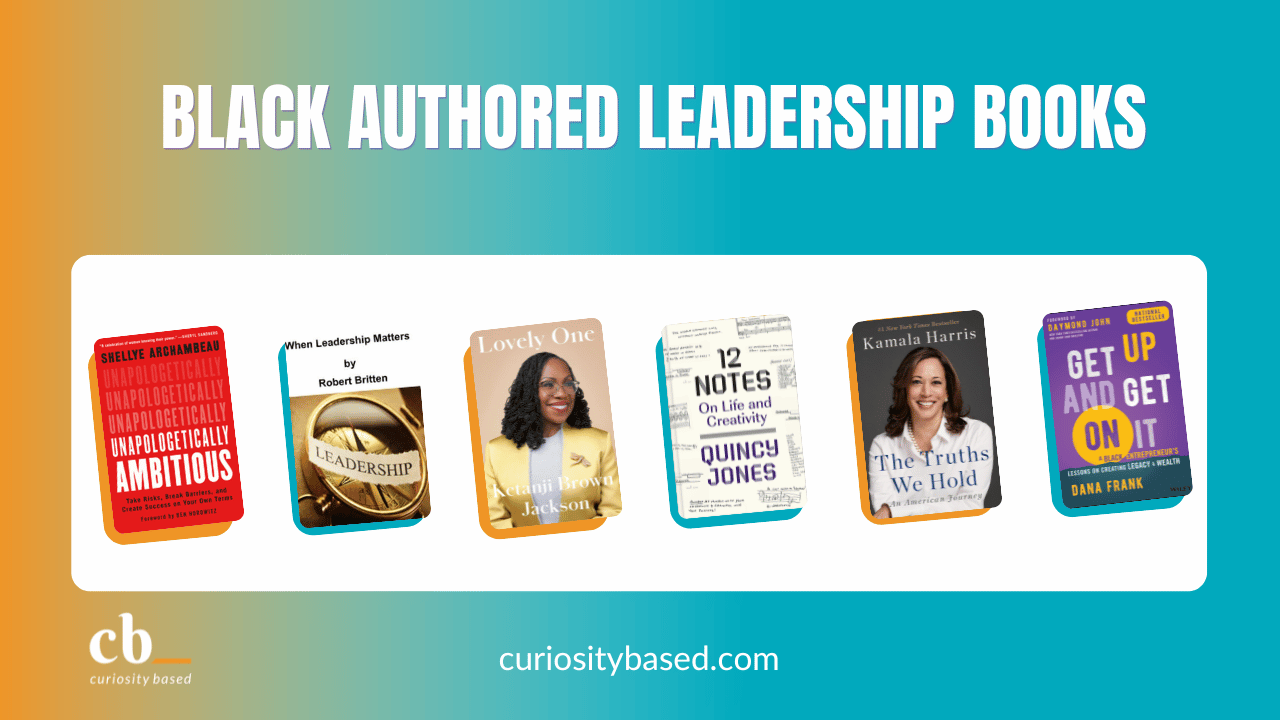
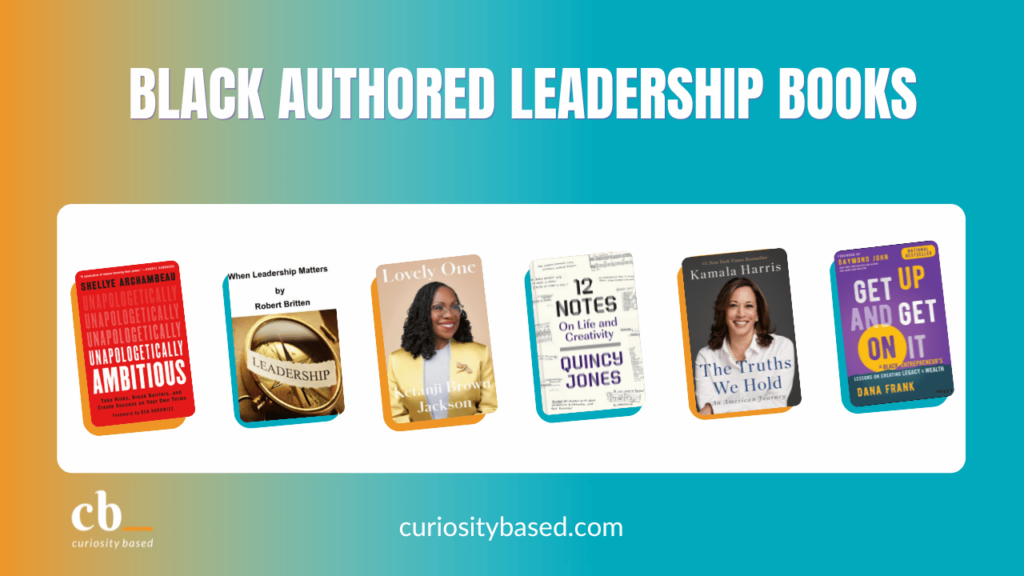
250+ Leadership Books Written by Black Authors (2025)

In honor of Black History Month, we created this list of 250+ leadership books written by black authors. This list is meant to be a resource, not an official endorsement. The books are not ranked or listed in any particular order.

  1. In Search of Our Mothers’ Gardens: Womanist prose by Alice Walker
  2. Purpose Driven Leadership: Building and fostering effective teams by Brigette Tasha Hyacinth
  3. The Transformational Consumer: Fuel a lifelong love affair with your customers by helping them get healthier, wealthier, and wiser by Tara-Nicholle Nelson
  4. Haben: The deafblind woman who conquered Harvard Law by Haben Girma
  5. Unprecedented: The Masters and Me by Tiger Woods (sports) & Lorne Rubenstein
  6. The Truths We Hold: An American Journey by Kamala Harris
  7. The Fire Next Time by James Baldwin
  8. Sister Outsider: Essays and Speeches by Audre Lorde
  9. Hunger: A Memoir of (My) Body by Roxane Gay
  10. Everybody’s Got Something by Robin Roberts & Veronica Chambers
  11. This Is the Fire: What I Say to My Friends About Racism by Don Lemon
  12. On the Other Side of Freedom: The Case for Hope by DeRay Mckesson
  13. White Girls by Hilton Als
  14. Nothing Personal by James Baldwin
  15. Revelations: The Autobiography of Alvin Ailey by Alvin Ailey & A. Peter Bailey
  16. Emergent Strategy: Shaping Change, Changing Worlds by adrienne maree brown
  17. We Will Not Cancel Us by adrienne maree brown
  18. Love and Rage by Lama Rod Owens
  19. Pleasure Activism: The Politics of Feeling Good by adrienne maree brown
  20. Octavia’s Brood: Science Fiction from Social Justice Movements by adrienne maree brown (eds)
  21. How to Get Stupid White Men Out of Office: The Anti-Politics, Un-Boring Guide to Power by adrienne maree brown (eds)
  22. It’s About Damn Time by Arlan Hamilton
  23. Queer Eye: Love Yourself, Love your Life by Antoni Porowski, Tan France, Jonathan Van Ness, Bobby Berk, & Karamo Brown
  24. My Story of Embracing Purpose, Healing & Hope by Karamo Brown
  25. The Mentor Leader by Tony Dungy
  26. The Secrets to Success: When You Want to Succeed as Bad as You Want to Breathe by Eric Thomas
  27. Produced by Faith: Enjoy real success without losing your true self by DeVon Franklin
  28. Super Rich: A guide to having it all by Russell Simmons
  29. It Worked for Me: In life and leadership by Colin Powell
  30. Reach: 40 Black men speak on liveing, leading, and succeeding by Ben Jealous & Trabian Shorters
  31. Black Faces in White Places: 10 game-changing strategies to achieve success and find greatness by Randal Pinkett & Jeffrey Robinson
  32. The Gatekeepers Are Gone: Hustle + Technology = Success by Lamar Tyler
  33. The Mind of a Winner by Steve Canal
  34. Know What Makes Them Tick: How to successfully negotiate almost any situation by Shonda Rhimes
  35. The Autobiography of Malcolm X: As told to Alex Haley by Malcolm X, Alex Haley
  36. What I Know for Sure by Oprah Winfrey
  37. Hidden Figures: The American Dream and the Untold Story of the Black Women Mathematicians Who Helped Win the Space Race by Margot Lee Shetterly
  38. The Misadventures of Awkward Black Girl by Issa Rae
  39. The One Week Budget by Tiffany Aliche
  40. I’m Judging You: The do-better manual by Luvvie Ajayi
  41. We Should All Be Feminists by Chimamanda Ngozi Adichie
  42. The Awkward Thoughts of W. Kamau Bell by W. Kamau Bell
  43. Between the World and Me by Ta-Nehisi Coates
  44. My Bondage and My Freedom by Frederick Douglass
  45. Drop the Ball: Achieving more by doing less by Tiffany Dufu
  46. Biased: Uncovering the hidden prejudice that shapes what we see, think, and do by Jennifer eberhardt
  47. Locking Up Our Own: Crime and Punishment in Black America by James Forman, Jr.
  48. Stamped from the Beginning: The definitive history of racist ideas in America by Ibram X. Kendi
  49. Lovesong: Becoming a Jew by Julius Lester
  50. Becoming by Michelle Obama
  51. The Race Whisperer: Barack Obama and the political uses of race by Melanye Price
  52. A Promised Land by Barack Obama
  53. Strength to Love by Martin Luther King, Jr.
  54. The Hill We Climb by Amanda Gorman
  55. My Grandmother’s Hands: Racialized Trauma and the Pathway to Mending Our Hearts and Bodies by Resmaa Menakem
  56. Just as I am by Cicely Tyson
  57. Black and White: The Way I See It by Richard Williams
  58. Successful Women Think Differently: 9 Habits to Make You Happier, Healthier & More Resilient by Valorie Burton
  59. Uncomfortable Conversations with a Black Man by Emmanuel Acho
  60. A Way Out of No Way: A Memoir of Truth, Transformation, and the New American Story by Raphael Warnock
  61. Professional Troublemaker: The Fear Fighter Manual by Luvvie Ajayi Jones
  62. Finding Me: A Memoir by Viola Davis
  63. More than Enough: Claiming Space for Who You Are (No Matter What They Say) by Elaine Welteroth
  64. My Life: Queen of the Court by Serena Williams
  65. Bamboozled: How God Tricked Me inot the Life of My Dreams by Yvonne Orji
  66. Small Doses: Potent Truths for Everyday Use by Amanda Seales
  67. The 1619 Project: A New Origin Story by Nikole Hannah-Jones
  68. After the Rain: Gentle Reminders for Healing, Courage, and Self-Love by Alexandra Elle
  69. The Little Black Book of Success: Laws of Leadership for Black Women by Elaine Meryl Brown; Marsha Haygood; Angela Burt-Murray
  70. Your Next Level Life: 7 Rules of Power, Confidence, and Opportunity for Black Women in America by Karen Arrington
  71. Playing the Game Without a Coach: How Courage, Resilience and Forgiveness Helped One Man Seize the American Dream by Benjamin Raymond
  72. The Wealth Choice: Secret Success of Black Millionaires by Dennis Kimbro
  73. Beating the Odds: Eddie Brown’s Investing and Life Strategies by Eddie Brown
  74. Strategize to Win: The New Way to Star Out, Step Up, or Start Over in Your Career by Carla Harris
  75. Rise and Grind: Outperform, Outwork, and Outhustle Your Way to a More Successful and Rewarding Life by Daymond John & Daniel Paisner
  76. Life in Motion: An Unlikely Ballerina by Misty Copeland
  77. The Work: Searching for a Life that Matters by Wes Moore
  78. The Last Black Unicorn by Tiffany Haddish
  79. Lead from the Outside: How to Build Your Future and Make Real Change by Stacey Abrams
  80. 50 Billion Dollar Boss: African American Women Sharing Stories of Success in Entreprenuership and Leadership by Kathey Porter
  81. Black Business Secrets: 500 Tips, Strategies, and Resources for the African American Entrepreneuer by Dante Lee
  82. Black Fortunes: The Story of the First Six African Americans Who Escaped Slavery and Became Millionaires by Shomari Wills
  83. Black Girls Rock!: Owning Our Magic, Rocking Our Truth by Beverly Bond
  84. Black Power Inc.: The New Voices of Success by Cora Daniels
  85. Climb: Taking Every Step with Conviction,Courage, and Calculated Risk to Achieve a Thriving Career and a Successful Life by Michelle Gadsden-Williams, Carolyn M. Brown
  86. Boss Bride: The Powerful Woman’s Playbook for Love and Success by Charreah Jackson
  87. Conversations in Black: On Power, Politics, and Leadershi by Ed Gordon
  88. Double Down: Bet on Yourself and Scuceed on Your Own Terms by Antionette M. Clarke, Tricia Clarke-Stone
  89. Expect to Win: Proven Strategies for Success Froma a Wall Street Vet by Carla A. Harris
  90. It’s About Time: The Art of Choosing the Meaningful Over the Urgent by Valorie Burton
  91. Little Black Book: A Toolkit for Working Women by Otegha Uwagba
  92. Miss Jessie’s: Creating a Successful Business From Scratch — Naturally by Micho Branch
  93. Mo’s Bows: A Young Person’s Guide to Start-up Success: Measure, Cut, Stich Your Way to a Great Business by Moziah Bridges, Tramica Morris
  94. More Than Pretty: Doing the Sould Work that Uncovers Your True Beauty by Erica Campbell
  95. The Book of Awesome Black Americans: cientific Pioneers Trailblazing Entrepreneuers, Barrier-Breaking Activists and AFro-Futurists by Monique jones
  96. The Memo: What Women of Color Need to Know to Secure a Seat at the Table by Minda Harts
  97. The Merchant Prince of Black Chicago: Anthony Overton and the building of a Financial Empire by Robert E. Weems
  98. Balancing Work and Life: The Nia guide for Black Women by Sherly Huggins, Cherly Mayberry McKissack
  99. The Road to Someplace Better: From the Segregated South to Harvard Business School and Beyond by Lillian Lincoln Lambert
  100. You Got This!: Unleash Your Awesomness, Find Your Path, and Change Your World by Maya Penn
  101. Women of Color in Tech: A Bluepring for Inspiing and Menotring the Next Generation of Technology Innovators by Susanne Tedrick
  102. Finding My Voice: My Journey to the West Wing and the Path Forward by Valarie Jarret
  103. Believe Bigger: Discover the Path to Your Life Purpose by Marshawn Evans Daniels
  104. Swimming with Sharks in Dark Waters by Athene Brinson
  105. FutureProofed: How to Navigate Disruptive Change, Find Calm in Chaos, and Succeed in Work & Life by Natalia Peart
  106. Own Your Phenomenal Self: A Guide on Character, Success, & Leadership by Rita P. Mitchell
  107. Werk 101: Get Your Life Together Guide by Koereyelle DuBose
  108. Illogical: Saying Yes to a Life Without Limits by Emmanuel Acho
  109. Impolite Conversations: On Race, Politics, Sex, Moneu, and Religion by Cora Daniels & John L. Jackson Jr.
  110. Driven by Intention: Own Your Purpose, Gain Power, and Pursue Your Passion as a Woman at Work by Michelle Gadsden-Williams
  111. Right Within: How to Heal From Racial Trauma in the Workplace by Minda Harts
  112. Gracism: The Art of Inclusion by Dr. David A. Anderson
  113. So You Want to Talk About Race by Ijeoma Oluo
  114. All Bout Love by Bell Hooks
  115. Ain’t I a Woman: Black Women and Feminism by Bell Hooks
  116. You’ve Got to Be Hungry: The Greatness Within to Win by Les Brown
  117. The Art of Ronin Leadership by Mike Howard
  118. Hood Feminist: Notes from the Women that a Movement Forgot by Mikki Kendall
  119. Where Do We Go from Here: Chaos or Community by Dr. Martin Luther King Jr.
  120. Upper Hand: The Future of Work for the Rest of Us by Sherrell Dorsey
  121. Will by Will Smith
  122. More Myself: A Journey by Alicia Keys
  123. Undrowned: Black Feminist Lessons from Marine Mammals by Alexis Pauline Gumbs
  124. These Wilds Beyond our Fences: Letters to My Daughter on Humanity’s Search for Home by Bayo Akomolafe
  125. Black Futures by Kimberly Drew, Jenna Wortham
  126. Radical Dharma: Talking Race, Love and Liberation by Rev Angel Kyodo Williams
  127. Just Mercy: A Story of Justice and Redemption by Bryan Stevenson
  128. Good Night Sotries for Rebel Girls: 100 Real-Life Tales of Black Girl Magic by Sonja Thomas, Lilly Workneh
  129. How to Be an Antiracist by Ibram X. Kendi
  130. Bridges to Heal US: Stories and Strategies for Racial Healing by Erin Jones
  131. The Color of Water: A Black Man’s Tribute to His White Mother by Andre Braugher, James McBride, Lainie Kazan
  132. The Tipping Point: How Little Things Can Make a Big Difference by Malcolm Gladwell
  133. David and Goliath: Underdogs, Misfits, and the Art of Battling Giants by Malcolm Gladwell
  134. Allow Me to Retort: A Black Guy’s Guide to the Constitution by Ellie Mystal
  135. Fire Shut Up in My Bones by Charles Blow
  136. The Devil You Know: A Black Power Manifesto by Charles Blow
  137. Speaking Truth to Power by Anita Hill
  138. A Good Cry, What we Learn from Tears and Laughter by Nikki Giovanni
  139. Writings on the Wall: searching for a New Equality Beyond Black and White by Kareem Abdul-Jabbar
  140. Becoming Kareem: Growing Up On and Off the Court by Kareem Abdul-Jabbar
  141. Standing Above the Crowd by James Donaldson
  142. Up from Nothing: The Untold Story of How We (All) Succeed by John Hope Bryant
  143. The Memo: Five Rules for Your Economic Liberation by John Hope Bryant
  144. Love Leadership: The New Way to Lead in a Fear Based World by John Hope Bryant
  145. The Purpose of Power: How We Come Together When We Fall Apart by Alicia Garza
  146. I’m Still Here: Black Dignity in a World Made for Whiteness by Austin Channing Brown
  147. Somebody’s Daughter: A Memoir by Ashley C. Ford
  148. The Extraordinary Power of Leader Humility by Marilyn Gist
  149. Talk it Up!: A Guide to Successful Public Speaking by David Suk Brown & Danny Suk Brown
  150. Our Brave Foremothers: Celebrating 100 Black, Brown, Asian & Indigenous Women Who Changed the Course of History by Rozella Kennedy
  151. You Owe You: Ignite Your Power, Your Purpose, and Your Why by Eric Thomas, PhD
  152. Black Fatigue: How Racism Erodes the Mind, Body, and Spirit by Mary-Francis Winters
  153. Outliers: The Story of Success by Malcolm Gladwell
  154. Year of Yes: How to Dance it Out, Stand in the Sun, and Be Your Own Person by Shonda Rhimes
  155. Acting Up: Winning in Business and in Life Using Down-Home Wisdom by Janice Bryant Howroyd
  156. How Boards Work and How They Can Work Better in a Chaotic World by Dambisa Moyo
  157. Chasing Youth Culture and Getting it Right: How Your Business Can Profit by Tapping Today’s Most Powerful Trendsetters and Tastemakers by Tina Wells
  158. Blink: The Power of Thinking Without Thinking by Malcom Gladwell
  159. Why Should White Guys Have All the Fun? by Reginald Lewis & Blair S. Walker
  160. Unapologetically Ambitious: Take Risks, Break Barriers, and Create Success on Your Own Terms by Shellye Archambeau
  161. The Rise: Creativity, the Gift of Failure, and the Search for Mastery by Sarah Lewis
  162. Display of Power by Daymond John
  163. Black Entrepreneuer Survival Guide: The complete guide to becoming a successful African American entrepreneuer by Dunneille D. Anderson
  164. Black Wall Street: From Riot to Renaissance in Tulsa’s Historic Greenwood District by Hannibal B. Johnson
  165. CEO of My Soul: The Self-Love Journey of a Small Business Owner by Nic Cober Esquire
  166. How to Succeed in Business Without Being White: Straight Talk on Making It in America by Earl G. Graves
  167. Success Never Smelled So Sweet: How I Followed My Nose and Found My Passion by Lisa Price & Hilary Beard
  168. We Should All Be Millionaires: A Woman’s Guide to Earning More, Building Wealth, and Gaining Economic Power by Rachel Rodgers
  169. 9 Laws of Success: Attracting the Life, Love, Health & Success You Want! by Stormy Wellington
  170. Self-Esteem is the New Black: How to become the confident woman you have always wanted to be! by Monique Mays
  171. Everyday Millionaires: How Oridnary People Built Extraordinary Wealth – And How You Can Too by Chris Hogan
  172. Get Good with Money: Ten Simple Steps to Becoming Financially Whole by Tiffany “The Budgetnista” Aliche
  173. How We Show Up: Reclaiming Family, Friendshop, and Community by Mia Birdsong
  174. Bad Feminist by Roxane Gay
  175. Eloquent Rage: A Black Feminist Discovers Her Superpower by Brittney Cooper
  176. Mom and Me and Mom by Maya Angelou
  177. The Pursuit of Happyness by Chris Gardner
  178. Green Power: The Successful Way of A.G. Gaston by A.G. Gaston
  179. The Black Woman Millionaire: A Revolutionary Act that DEFIES Impossible by Dr. Venus Opal Reese
  180. When the Miracle Drops: How Instagram Helped Turn a Quick Fix Into a Million-Dollar Product by Jessica Dupart
  181. Building Atlanta: How I Broke Through Segregation to Launch a Business Empire by Herman J. Russell
  182. The Path Made Clear: Discovering Your Life’s Direction and Purpose by Oprah Winfrey
  183. Mental Detox: The Power and Guidance to Implement Peace, Joy, Balance, and Financial Abundance in Your Life by Cheyenne Bryant
  184. Quantam Leaps: 10 Steps to Help You Soar by Gloria Mayfield Bangs
  185. Air Traffic: A Memoir of Ambition and Manhood in America by Gregory Pardlo
  186. A Lucky Man by Jamel Brinkley
  187. Heavy: An American Memoir by Kiese Laymon
  188. Invisible Man, Got the Whole World Watching: A Young Black Man’s Education Book by Mychal Denzel Smith
  189. Meaty: Essays by Smantha Irby
  190. Unbowed by Wangari Maathai
  191. Writing My Wrongs: Life, Death and Redemption in an American Prison by Shaka Senghor
  192. Where You Are is Not Who You Are by Ursula Burns
  193. The Perfect Day to Boss Up by Rick Ross & Niel Martinez-Belkin
  194. Feeding the Soul by Tabitha Brown
  195. Set Boundaries, Find Peace: A guide to reclaiming yourself by Nedra Glover Tawwab
  196. I’m Not Yelling by Elizabeth Leiba
  197. Responsible Marketing by Lola Bakare
  198. The Urgent Life by Bozoma Saint John
  199. Inside Out: The Equity Leader’s Guide to Undoing Institutional Racism by Caprice D. Hollins
  200. Black AF History: The Un-whitewashed Story of America by Michael Harriot
  201. I Saw Death Coming: A History of Terror and Survival in the War Against Reconstruction by Kidada E. Williams
  202. 12 Notes: On Life and Creativity by Quincy Jones
  203. The Beautiful Ones by Prince
  204. Colorization: One Hundred Years of Black Films in A White World by Wil Haygood
  205. The Complete Quincy Jones: My Journey & Passions by Quincy Jones
  206. Eartha & Kitt: A Daughter’s Love Story in Black and White by Kitt Shapiro
  207. Leslie F*cking Jones: A Memoir by Leslie Jones
  208. Let Love Rule by Lenny Kravitz
  209. Miles: The Autobiography by Miles Davis
  210. Starting at Zero by Jimi Hendrix
  211. Worthy by Jada Pinkett Smith
  212. The Dead Don’t Need Reminding by Julian Randall
  213. Of Greed and Glory by Deborah G. Plant. Amistad
  214. And Then We Rise: A guide to Loving and Taking Care of Self by Common
  215. American Imam: From Pop Stardom to Prison Abolition by Taymullah Abdur-Rahman
  216. Life Coaching for Successful Women: Powerful Questions, Practical Answers by Valorie Burton
  217. The Black Girl’s Guide to Financial Freedom: Build Wealth, Retire Early, and Live the Life of Your Dreams by Paris Woods
  218. Please Don’t Sit On My Bed In Your Outside Clothes by Phoebe Robinson
  219. Wildflower: A Memoir by Aurora James
  220. Born a Crime: Stories From a South African Childhood by Trevor Noah
  221. Bee Fearless: Dream Like a Kid by Mikaila Ulmer
  222. Black, White, and The Grey by Mashama Bailey & John O. Morisano
  223. Black Titan: A.G. Gaston and the Making of a Black American Millionaire by Carol Jenkins & Elizabeth Gardner Hines
  224. Decoded by Jay-Z
  225. Black Founder: The Hidden Power of Being an Outsider by Stacy Spikes
  226. The Elevation Approach by Tina Wells
  227. Nothing is Missing: A Memoir of Living Bodly by Nicole Walters
  228. I Did a New Thing: 30 Days to Living Free by Tabitha Brown
  229. Get the F* Out Your Won Way: A Guide to Letting Fo of the Sh*t that’s Holding You Back by MJ Harris
  230. Praiseong for the Kitchen Ghosts: Stories and Recipes from Five Generations of Black Country Cooks by Crystal Wilkinson
  231. Ida B. Wells Marches for the Vote by Dinah Johnson
  232. First Things First: Hip-Hop Ladies Who Changed the Game by Nadirah Simmons
  233. Madness: Race and Insanity in a Jim Crow Asylum by Anotonia Hylton
  234. On Thriving: Harnessing Joy Through Life’s Great Labors by Brandi Sellerz-Jackson
  235. A Seat at the C-Suite Table: Insights from the leadership Journeys of African American Executives by Chuck Wallington, PhD
  236. Black Women Taught Us: An Intimate History of Black Feminism by Jenn M. Jackson, PhD
  237. When Leadership Matters by Robert Britten
  238. How to Live Free in a Dangerous World: A Decolonial Memior by Shayla Lawson
  239. The Souls of Queer Folk: How Understanding LGBTQ+ Culture Can Transform Your Leadership Practice by Dr. Joel A. Davis Brown
  240. Barracoon “The story of The last Black Cargo by Zora Neale Hurston
  241. The light we carry by Michelle Obama
  242. The source of self-regard by Tony Morrison
  243. Zami:A new spelling of my name by Audre Lorde
  244. Constructing a nervous system by Margo Jefferson
  245. All that she carried by Tiya Miles
  246. Lovely One: A Memoir by Ketanji Brown Jackson
  247. Men we reaped by Jesmyn Ward
  248. Singing away the hunger by Mpho ‘M’atsepo Nthunya
  249. We are bridges by Cassandra lane
  250. Death of Innocence by Christopher Benson and Mamie Till-Mobley
  251. Incidents in the life of a slave girl by Harriot Jacobs
  252. Purple Harvest: Planting Goals, Growing Truths by Dr. Rashonda Harris
  253. DEI-ing: A Guide to Navigating the Gotdamn Mess They’ve Made of Diversity, Equity, and Inclusion by Dr. Cheryl Ingram
  254. Get Up And Get On It: A Black Entrepreneur’s Lessons on Creating Legacy and Wealth by Dana Frank
  255. Calling In: How to Start Making Change with Those You’d Rather Cancel by Loretta Ross

Since we work really hard to create these lists, we hope these authors will get the attention they deserve! If you think this list is valuable, please share it and spread the word. Here’s a sample text you can use when sending this booklist out to your network: “Want to read leadership narratives written by Black Americans? Check this out! (https://tinyurl.com/2025-black-authored-books). #diverseleadershipauthors #blackleadershipauthors #blackhistorymonth #expandwhoweread #enrichhowwelead”

You can check out our other leadership book lists by those who identity as women, those who identify as having disabilities, Hispanic/Latino/Latinx, LGBTQ, Native American, and AAPI. We are always adding to these lists, so please send more recommendations our way.

Perfectionism to Progress: Practical Ways to Let Go at Work

Title card for From Perfectionism to Progress

Perfectionism can be a significant barrier to progress in the workplace. While it’s often said that “perfection is the enemy of good,” many people, especially leaders, fall into the trap of striving for perfection, which ultimately slows down progress. Overcoming perfectionism is crucial for personal productivity and workplace wellness, as it sets a standard that may lead employees to feel pressured to aim for perfection, too. In this post, you’ll learn four practical ways to let go at work, break free from perfectionism, and focus on progress instead.

1. What Actually Matters?

One of the first steps to letting go of perfectionism is prioritizing what truly matters. For instance, when preparing for a presentation, focus on delivering useful and valuable information that will be easy for people to understand, rather than obsessing over the perfect image or font. By asking yourself what actually matters, you can set more realistic goals and ensure that your efforts are aligned with your audience’s needs, not unattainable perfection.

2. Do I Want to Invite Feedback?

Perfectionism often involves seeking approval rather than feedback. If you’re focused on being perfect, you may avoid getting feedback because it could highlight imperfections. However, it’s important to invite feedback to improve your work. For example, as you prepare a presentation, intentionally leave room for imperfection to allow others to provide constructive feedback. This not only helps improve your work but also fosters a culture of learning and growth within your team.

3. What Else Could I Be Doing with My Time?

Perfectionism is time-consuming and exhausting. Ask yourself: what else could you be doing with your time? For example, preparing a presentation might take 10 hours to reach a B+ level, and another 10 hours to reach A+. Instead of spending those extra hours perfecting small details, consider dedicating that time to other projects that will help the team’s collective work. Focusing on progress over perfection will increase productivity and reduce burnout.

4. What Are the Consequences of Not Being Perfect?

The fear of letting people down or being criticized often drives perfectionism. However, it’s important to recognize that being imperfect isn’t a disaster. In fact, when you show your own imperfections, it makes others feel more comfortable being imperfect, too. This openness promotes a healthier, more collaborative environment where progress is prioritized over unattainable perfection.

Conclusion: Embrace Progress Over Perfection

By asking these four questions—focusing on what truly matters, inviting feedback, considering how you use your time, and evaluating the consequences of imperfection—you can reduce perfectionism and improve productivity. Shifting your focus from perfection to progress will make work more enjoyable and less stressful for both you and your team.

If you found these tips on practical ways to let go at work, break free from perfectionism, and focus on progress instead to be helpful, please like and share this post. You can also read a more detailed version of this on our blog at CuriosityBased.

Hashtags:

#Perfectionism #ProductivityTips #WorkplaceWellness #CareerGrowth #PersonalDevelopment #Leadership #TimeManagement #Teamwork #WorkplaceCulture #ProfessionalGrowth

#19 Curiosity in Health Insurance with Shannon Drotning

Subscribe Now!

Apple PodcastsSpotifyPodbeanAmazon MusiciHeartRadio

Curiosity at Work: Shannon Drotning on Curiosity and Innovation in Health Insurance

In episode 19 of Curiosity at Work, Dr. Julie Pham interviews Shannon Drotning, Market President for the West Coast at Providence Health Plan. Shannon shares her inspiring career journey, from starting as a customer service representative to becoming a senior leader in healthcare. She highlights how curiosity and a customer-first mindset have been central to her success in navigating the complexities of Medicare and the insurance industry. Shannon explains how customer-focused curiosity is driving innovation in health insurance.

Leading Innovation in Health Insurance with Customer-Focused Curiosity

With over 1,500 employees, Providence Health Plan has a mission to serve diverse communities. Shannon emphasizes the importance of fostering innovation while staying deeply connected to the people they serve. She explains how curiosity drives her team to continually refine their processes and improve customer service. This customer-first approach is essential for faster problem resolution and greater customer satisfaction.

The Role of Curiosity in Improving Customer Experience

Shannon discusses how Providence Health Plan lives up to its promise to “Know Me, Care for Me, Ease My Way” by actively listening to customer feedback. She draws inspiration from industries like retail, showing how curiosity in understanding customers’ needs can lead to significant improvements. By integrating customer insights and adopting an innovative mindset, Shannon and her team work to create a seamless, customer-centric experience.

Managing a Sales-Driven Team with Empathy and Curiosity

Managing a sales-driven team presents unique challenges, but Shannon highlights how curiosity can foster empathy and understanding. She focuses on hiring individuals who are not only skilled but also deeply committed to helping others navigate healthcare decisions. Shannon shares how fostering a learning culture encourages her team to approach challenges with curiosity, driving meaningful impact in the health insurance space.

Curiosity as a Catalyst for Growth, Collaboration, and Innovation

Through her leadership, Shannon models how curiosity fosters growth, collaboration, and innovation in a fast-paced industry. She believes that creating a culture of learning—where even small changes are valued—can transform workplace culture and lead to continuous improvement. By encouraging her team to see things through the eyes of their customers, Shannon demonstrates how curiosity can drive positive change in healthcare.

Connect with Dr. Julie Pham:

Connect with Shannon Drotning:

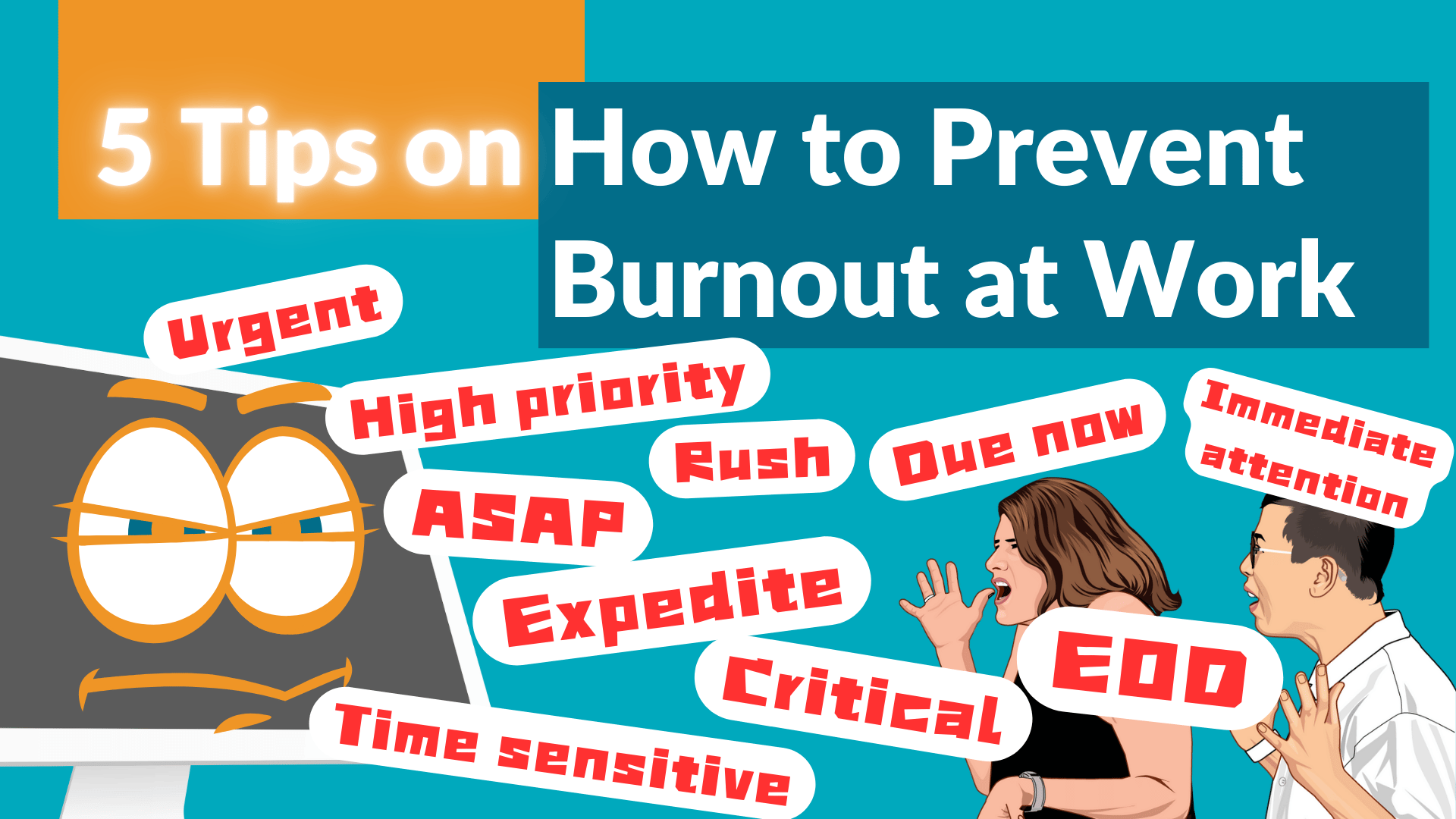
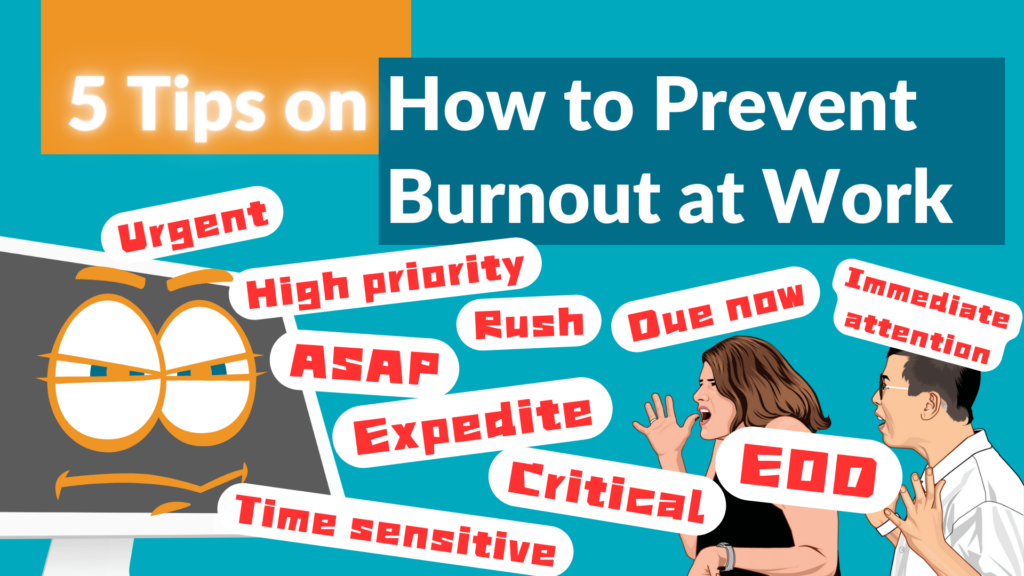
Five Practical Tips to Prevent Burnout at Work

Burnout is a real issue that affects productivity, team morale, and the ability to achieve organizational goals. Preventing burnout is essential as people are a company’s most valuable asset. Ensuring that your team isn’t overwhelmed or constantly on the verge of burnout will improve overall well-being and contribute to a healthier, more productive work environment. Here are five practical tips to prevent burnout at work.

1. Reduce False Urgency

False urgency is when employees feel constantly busy, yet they aren’t accomplishing much. They are reacting instead of being proactive. This constant sense of urgency can lead to burnout because it keeps people in a state of stress. To reduce false urgency, take time to set clear expectations and deadlines, and make sure that team members are working toward meaningful goals. Avoid creating an environment where everyone feels the need to rush without a clear direction.

For more information on this, check out a video on how to reduce false urgency at work. https://curiositybased.com/reduce-false-urgency-at-work/

2. Encourage Taking Breaks

Trust your team to manage their workload and encourage them to take breaks during the day. Regular breaks can help break up the monotony of the workday and refresh the mind. Whether it’s taking a lunch break, stepping outside for a walk, or running errands, allowing employees to take breaks can help prevent burnout. It’s important to also model this behavior by taking breaks yourself. Leading by example helps normalize taking time to recharge.

3. Make Time to Reflect, Connect, and Celebrate

Creating a culture of recognition and appreciation is crucial. Employees need to feel valued not only for their work but for their humanity. Regularly connecting with your team and celebrating milestones or achievements fosters a sense of pride and accomplishment. You can implement team-building activities or icebreakers to enhance the work environment and encourage meaningful relationships. Taking time to reflect on successes and challenges will help build a supportive and balanced workplace.

4. Have Companywide Breaks

At CuriosityBased, a companywide break is implemented every quarter where everyone takes time off to rest and recharge. While not all companies may have the resources to provide an entire week, implementing shorter breaks—such as a half-day or a day each month—can have a big impact. Alternatively, providing employees with paid time off on holidays can help them disconnect and rejuvenate, reducing the risk of burnout.

5. Have a Backup Plan

Sometimes, employees feel pressured to do everything themselves, believing they are the only ones who can get the job done. This can lead to burnout when employees feel that the work will fall apart without them. To prevent this, establish a clear backup plan. Let employees know that if they are absent, there’s a temporary solution in place. Whether that means pausing the work or delegating it to someone else, having a plan in place reduces stress and ensures continuity.

Conclusion: Preventing Burnout is Key

Burnout is a real issue, but it is far easier to prevent than to recover from. By applying these five tips—reducing false urgency, encouraging breaks, reflecting and celebrating achievements, scheduling companywide breaks, and having a backup plan—you can help your team avoid burnout and create a healthier work environment.

If you found five practical tips to prevent burnout at work to be helpful, be sure to share them with others and start applying them to your workplace!

Hashtags:

#PreventBurnout #WorkplaceWellness #HealthyWorkplace #EmployeeWellbeing #WorkplaceCulture #LeadershipTips #StressManagement #TeamWellbeing #Productivity #BurnoutPrevention

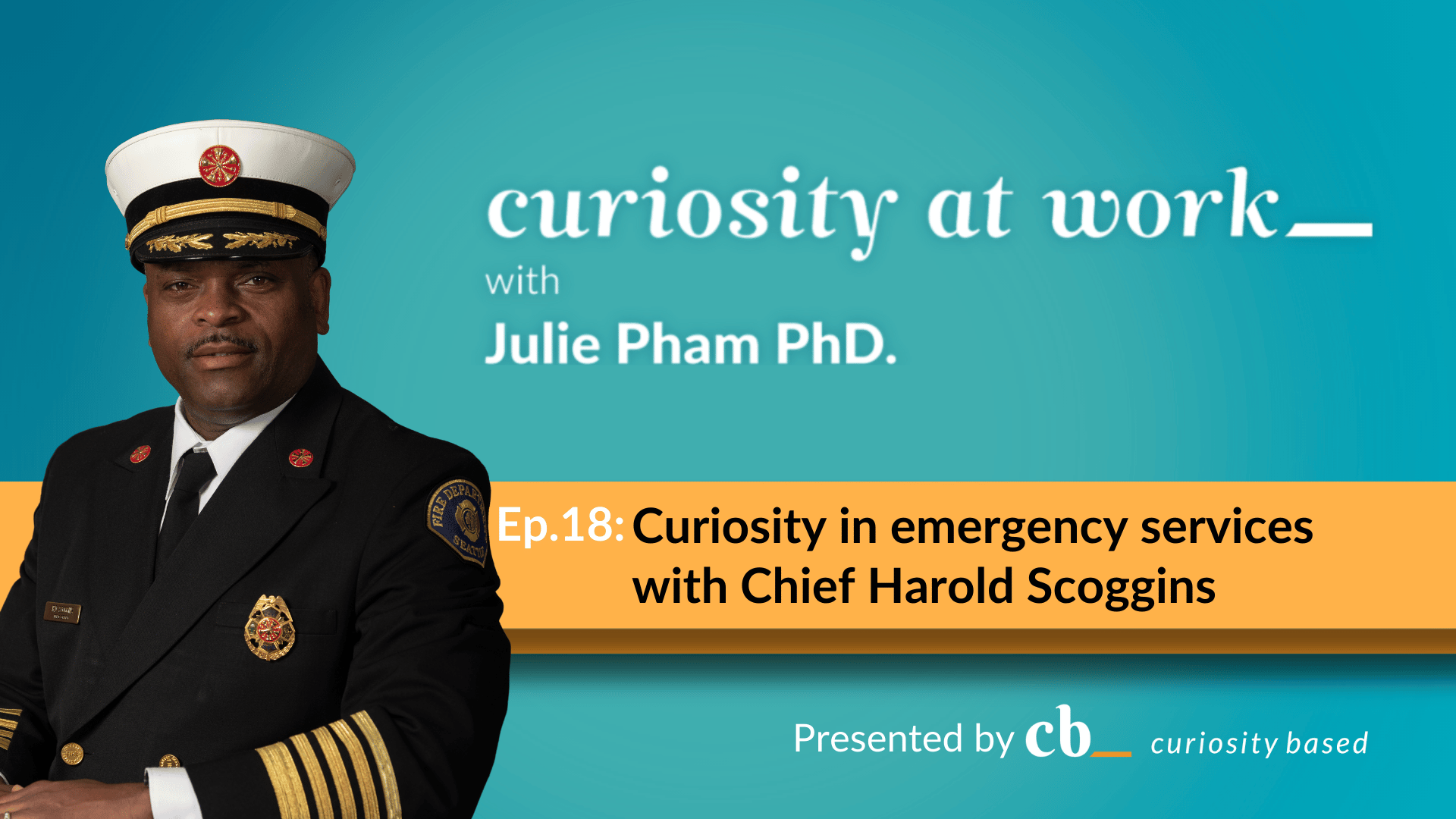
#18 Curiosity in emergency services with Chief Harold Scoggins

Subscribe Now!

Apple PodcastsSpotifyPodbeanAmazon MusiciHeartRadio

Curiosity at Work: Harold Scroggins on Leadership, Innovation, and Curiosity in Emergency Services

In this episode of Curiosity at Work, Dr. Julie Pham interviews Harold D. Scroggins, Chief of the Seattle Fire Department. Chief Scroggins shares his remarkable 35-year journey of curiosity in emergency services and the evolving role of the fire department. He discusses how curiosity plays a critical role in addressing the challenges faced by the department, from traditional fire-fighting to medical emergencies, hazardous materials management, and water rescues.

The Evolving Role of the Seattle Fire Department

With over 1,200 staff, the Seattle Fire Department exemplifies how curiosity and innovation can drive continuous improvement. Chief Scroggins highlights the importance of balancing legacy and tradition with the need for constant adaptation and training. He explains how the department’s culture of curiosity helps the team stay ahead of challenges while ensuring the highest standards of service.

Curiosity as a Driver of Continuous Learning and Innovation

Chief Scroggins emphasizes the department’s commitment to continuous learning and innovation. From updating operational guidelines to pioneering life-saving programs, such as the use of buprenorphine for overdose response, curiosity drives meaningful advancements. He illustrates how the department fosters a culture of feedback and collaboration, including monthly calls with fire departments nationwide to exchange best practices. Despite managing change in a field steeped in tradition, Chief Scroggins highlights how curiosity helps question assumptions and find better ways to serve the community.

Leading with Curiosity: Fostering Growth and Resilience

Through his leadership, Chief Scroggins demonstrates how curiosity can inspire both individual and organizational growth. He shares how fostering a family-like culture in fire stations and supporting new recruits through rigorous training contributes to the department’s success. Curiosity, he believes, transforms even the most traditional institutions, ensuring continuous improvement and resilience.

How Curiosity Fuels Innovation and Community Impact

This episode offers invaluable insights into how curiosity fuels innovation, resilience, and community impact in the world of emergency services. Chief Scroggins’ leadership approach illustrates how curiosity is not just a trait but a driving force behind effective service, operational excellence, and positive community outcomes.

Connect with Dr. Julie Pham:

Connect with Chief Harold Scoggins:

How to Reduce False Urgency at Work

False urgency occurs when people feel unnecessarily busy due to poor planning and unrealistic expectations. It’s easy to fall into a pattern where it feels like you’re always in a state of emergency, putting out fires instead of proactively preventing them. Here are three effective strategies for how to reduce false urgency at work and prevent burnout.

1. Set Realistic Expectations

The first step to reducing false urgency is setting realistic expectations. When planning a new project or campaign, it’s crucial to gather all the people involved and assess upcoming holidays, vacations, and other priorities. Don’t forget to consider any unknown factors, like new partners or processes, that could require extra buffer time. Setting clear expectations about deadlines is key.

It’s frustrating, when managers set unrealistic deadlines, such as needing something by Monday, although they won’t review the work until Thursday. It’s important to be realistic about when things need to be done. Setting realistic deadlines and response time expectations can prevent the sense of urgency that isn’t really necessary.Clear communication helps prevent misunderstandings and reduces unnecessary stress.

2. Communicate Response Time Expectations

When you don’t set clear expectations about response times, others may think a task is urgent when it isn’t. This can create unnecessary pressure for everyone involved. It’s important to be transparent about when you need something done and explain why it matters. Doing so will help others understand the urgency, or lack thereof, around a request.

3. Limit Off-Hours Communication

A lot of false urgency stems from around-the-clock communication. With technology making it easy to send emails and messages at any time, it’s easy to feel like you have to be “always on.” Dr. Pham suggests using technology to your advantage by limiting off-hours communication. For instance, if you’re working late and send an email at 11:00 p.m., it might create the expectation of a response immediately.

To manage this, use the “schedule send” feature on email.Schedule emails to be sent the following day when the workday starts. This helps set clear boundaries for work communication, ensuring it only takes place during work hours.

By following these three tips — setting realistic expectations, clearly communicating response times, and limiting off-hours communication — you can reduce false urgency at work and prevent burnout at work.

If you found these tips helpful, don’t forget to like and share this post! 

How to Plan an Interactive Online Experience: Essential Logistics

Planning an interactive online experience requires thoughtful preparation and attention to detail. Whether you’re hosting a workshop or creating content, the logistics of an online event can make or break the experience. In this post, you’ll find three essential tips on how to plan an interactive online experience to help ensure smooth event management and make your online event a success.

1. Test the Technology

Technology is always evolving, and what worked last month might not work the same way this month. That’s why testing the technology beforehand is crucial. Make sure your slide deck displays correctly, the sound quality is clear, and the polls are functioning properly. To get a complete picture, launch your presentation from your computer and then call in using your phone. This allows you to experience the event from a user’s perspective and helps you identify any issues that could arise.

2. Schedule a Rehearsal

Rehearsals are essential for any online event. If you’re working with others to facilitate the event, schedule a rehearsal to go through the flow of the event. This allows you to clarify who will speak when, work out transitions, and make last-minute adjustments. If you’re facilitating solo, try rehearsing with coworkers or asking a friend for support. A rehearsal helps you get comfortable with the setup and ensures everything runs smoothly during the event.

3. Set Up Guidelines for Participants

To ensure full participant engagement, provide clear guidelines. This can include instructions embedded in your slides or a follow-along document. If you anticipate that your audience may be unfamiliar with the technology, consider offering a quick demo or adding slides that explain the features they’ll need to use during the event. Having these resources ready makes it easier for participants to follow along and engage in the experience.

Conclusion: Planning a Successful Online Experience

By following these three tips how to plan an interactive online experience —testing technology, scheduling rehearsals, and providing participant guidelines—you’ll be well on your way to creating a smooth and successful online event. These strategies will help you design engaging and interactive online experiences that leave a lasting impact. If you’re interested in diving deeper, consider exploring courses on Mastering Interactive Online Experience Design.  Start learning how to create even more successful online events today.

If you found this post helpful, please like it and share it on social media. Happy planning!

Managing Planned Employee Transitions

Employee transitions, especially planned ones, can be challenging for any organization. Whether an employee is leaving for a new opportunity or going through a personal change, preparing for a transition can ensure a smoother process for both the departing employee and the remaining team members. Here are six practical tips to managing planned employee transitions.

1. Start Redistributing Tasks Early

As soon as you know an employee will be transitioning, start redistributing their tasks. Identify what the employee currently does and reassign it to others. This gives your team members time to ask the exiting employee questions about the role, which helps ease the transition. By doing this early, you also allow others to step into new responsibilities and feel empowered during the change.

2. Reduce Non-Essential Work

If the departing employee was involved in many meetings or standing committees, consider relieving them of non-essential work. This will allow them to focus on their primary responsibilities during the final weeks, without the added pressure of commitments they won’t be able to continue after leaving. It also prevents team members from having to attend unnecessary meetings post-departure.

3. Create a Detailed Handover Document

A comprehensive handover document is key to ensuring a smooth transition. Collaborate with the departing employee to capture everything that the new person will need to know. Don’t wait until the last day to create this document. Take the time to revisit it together, making sure it covers all important tasks and procedures.

4. Collaborate on the Transition Plan

Creating a transition plan shouldn’t be a solo task. Dr. Pham recommends drafting the initial plan and then inviting input from remaining team members. This collaborative approach not only empowers employees but also ensures they feel invested in the transition. Their input may lead to valuable ideas and solutions that may not have been considered initially.

5. Conduct an Exit Interview

An exit interview offers a chance for both the departing employee and the manager to exchange constructive feedback. It’s an opportunity for the employee to reflect on their time with the company, and for the manager to learn about what worked well and areas for improvement. Conducting an exit interview can provide insights that help improve future transitions.

6. Host a Goodbye Party

A simple goodbye party—whether in person or virtual—can go a long way in creating closure. A brief 30–45 minute virtual gathering with colleagues can express gratitude and say their farewells. At CuriosityBased, we also create goodbye videos highlighting the contributions of the departing employee, which serves as a keepsake for them and adds a personal touch to the farewell.

Bonus Tips for a Smoother Transition

1. Create a Goodbye Message:

Invite the departing employee to write a letter to their colleagues, clients, and vendors. In the message, they can share what they are proud of accomplishing, what they’ll miss, and what’s next for them. This helps prevent speculation about the departure and honors the employee’s contributions.

2. Overlap Time with the New Employee:

If budget allows and the replacement is known in advance, try to create overlap time between the departing employee and the new hire. This allows for offboarding and onboarding to happen simultaneously, making the transition smoother for everyone involved.

Employee transitions are always stressful, but with these strategies, you can reduce the disruption and ensure a smooth and productive transition for both the team and the departing employee. By preparing early, communicating clearly, and providing closure, you can help everyone involved navigate the change with confidence.

We hope these tips help you manage your next employee transition with ease. If you found this post useful, please like and share it!

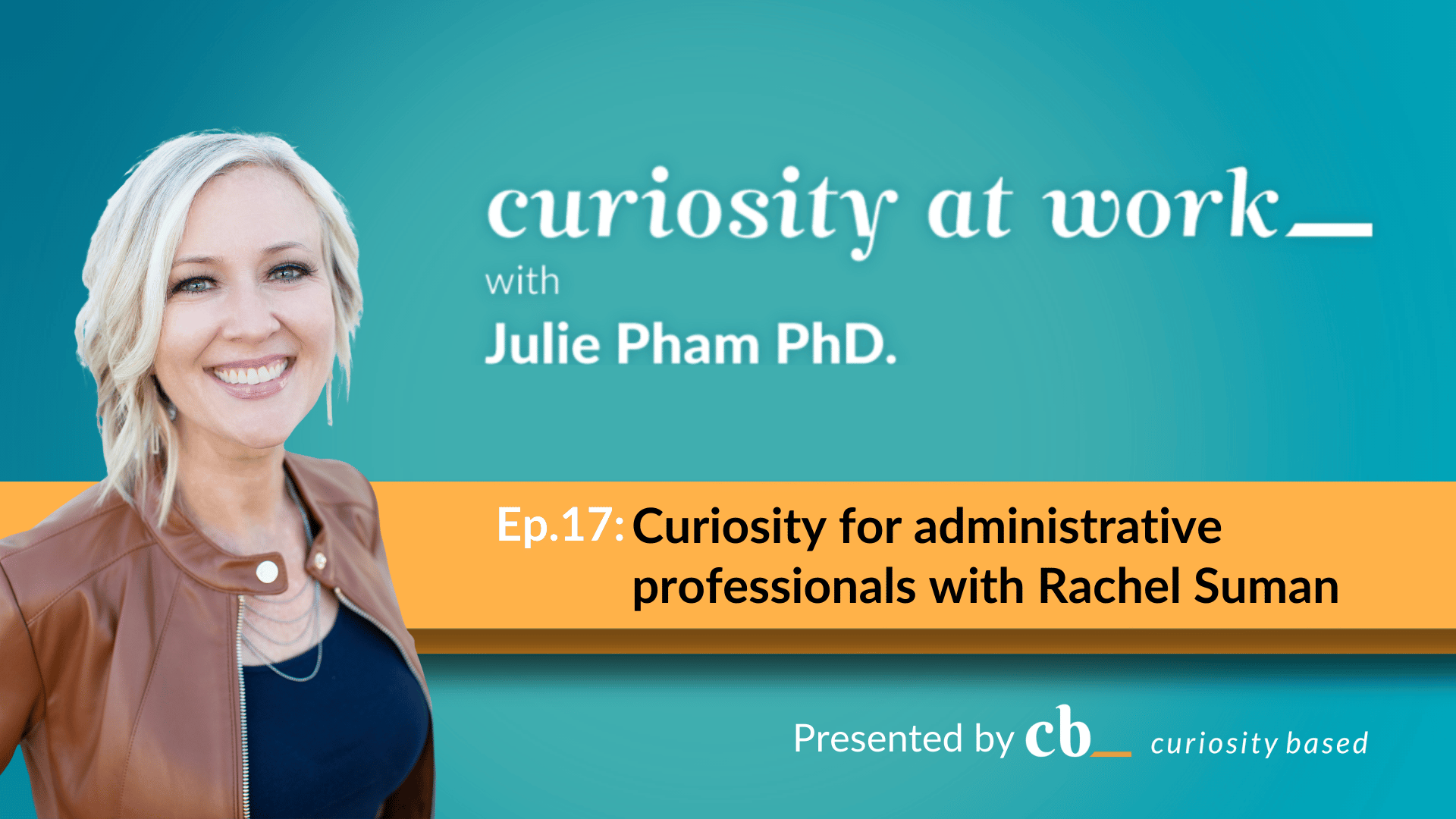
#17 Curiosity for administrative professionals with Rachel Suman

Subscribe Now!

Apple PodcastsSpotifyPodbeanAmazon MusiciHeartRadio

In episode 17 of Curiosity at Work podcast, Dr. Julie Pham interviews Rachel Suman, Chief Experience Officer at the International Association of Administrative Professionals (IAAP). Rachel shares her inspiring journey from administrative professional to executive leader, providing valuable insights into the evolving role of administrative professionals across industries. IAAP, with over 7,000 members and a community of more than 80,000 professionals, is dedicated to empowering administrative professionals by offering training, leadership development, and advocacy.

Rachel discusses the diverse and impactful roles administrative professionals play within organizations and how IAAP supports their growth and influence globally. She highlights the importance of curiosity as a fundamental leadership skill within IAAP’s team culture. By embedding curiosity through feedback, self-reflection, and space for growth, Rachel explains how continuous learning is fostered in their organization. She also introduces feedback journals as an effective tool for tracking growth and creating a supportive learning environment.

As a passionate advocate for administrative professionals, Rachel offers practical tips on empowering administrative staff in any organization. From scenario-based interview questions to creating safe spaces for honest feedback, she shares actionable strategies for fostering curiosity, leadership, and growth. This episode emphasizes how curiosity and empathy can transform workplace culture, support administrative teams, and enhance organizational effectiveness.

Connect with Dr. Julie Pham:

Connect with Rachel Suman:

#RachelSuman #IAAP #CuriosityAtWork #AdministrativeProfessionals #Leadership #FeedbackCulture #ContinuousLearning #WorkplaceCulture #CareerGrowth #EmployeeEmpowerment