banner

Five Practical Tips to Prevent Burnout at Work

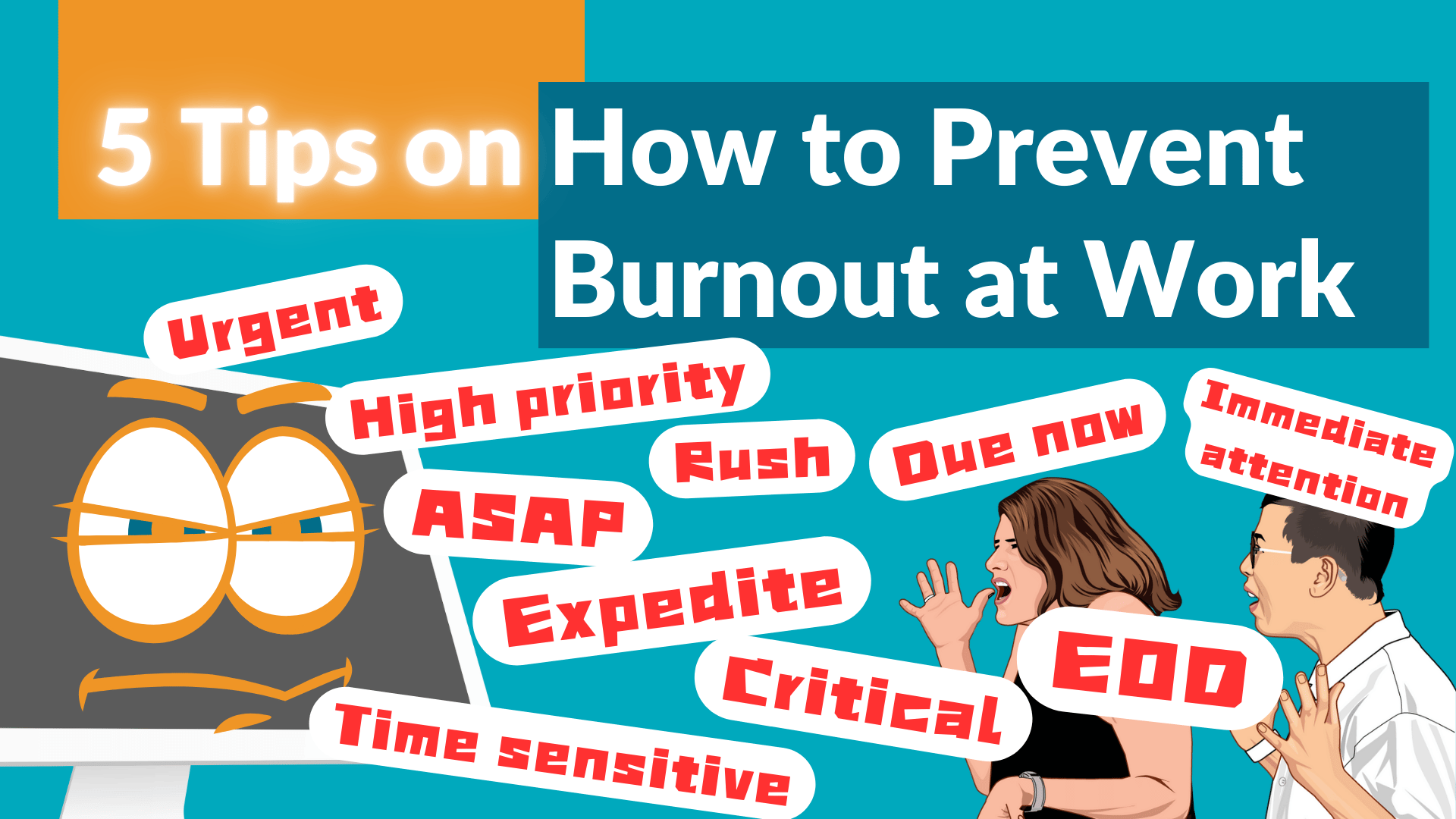
Burnout is a real issue that affects productivity, team morale, and the ability to achieve organizational goals. Preventing burnout is essential as people are a company’s most valuable asset. Ensuring that your team isn’t overwhelmed or constantly on the verge of burnout will improve overall well-being and contribute to a healthier, more productive work environment. Here are five practical tips to prevent burnout at work.

1. Reduce False Urgency

False urgency is when employees feel constantly busy, yet they aren’t accomplishing much. They are reacting instead of being proactive. This constant sense of urgency can lead to burnout because it keeps people in a state of stress. To reduce false urgency, take time to set clear expectations and deadlines, and make sure that team members are working toward meaningful goals. Avoid creating an environment where everyone feels the need to rush without a clear direction.

For more information on this, check out a video on how to reduce false urgency at work. https://curiositybased.com/reduce-false-urgency-at-work/

2. Encourage Taking Breaks

Trust your team to manage their workload and encourage them to take breaks during the day. Regular breaks can help break up the monotony of the workday and refresh the mind. Whether it’s taking a lunch break, stepping outside for a walk, or running errands, allowing employees to take breaks can help prevent burnout. It’s important to also model this behavior by taking breaks yourself. Leading by example helps normalize taking time to recharge.

3. Make Time to Reflect, Connect, and Celebrate

Creating a culture of recognition and appreciation is crucial. Employees need to feel valued not only for their work but for their humanity. Regularly connecting with your team and celebrating milestones or achievements fosters a sense of pride and accomplishment. You can implement team-building activities or icebreakers to enhance the work environment and encourage meaningful relationships. Taking time to reflect on successes and challenges will help build a supportive and balanced workplace.

4. Have Companywide Breaks

At CuriosityBased, a companywide break is implemented every quarter where everyone takes time off to rest and recharge. While not all companies may have the resources to provide an entire week, implementing shorter breaks—such as a half-day or a day each month—can have a big impact. Alternatively, providing employees with paid time off on holidays can help them disconnect and rejuvenate, reducing the risk of burnout.

5. Have a Backup Plan

Sometimes, employees feel pressured to do everything themselves, believing they are the only ones who can get the job done. This can lead to burnout when employees feel that the work will fall apart without them. To prevent this, establish a clear backup plan. Let employees know that if they are absent, there’s a temporary solution in place. Whether that means pausing the work or delegating it to someone else, having a plan in place reduces stress and ensures continuity.

Conclusion: Preventing Burnout is Key

Burnout is a real issue, but it is far easier to prevent than to recover from. By applying these five tips—reducing false urgency, encouraging breaks, reflecting and celebrating achievements, scheduling companywide breaks, and having a backup plan—you can help your team avoid burnout and create a healthier work environment.

If you found five practical tips to prevent burnout at work to be helpful, be sure to share them with others and start applying them to your workplace!

Hashtags:

#PreventBurnout #WorkplaceWellness #HealthyWorkplace #EmployeeWellbeing #WorkplaceCulture #LeadershipTips #StressManagement #TeamWellbeing #Productivity #BurnoutPrevention


How to Reduce False Urgency at Work

False urgency occurs when people feel unnecessarily busy due to poor planning and unrealistic expectations. It’s easy to fall into a pattern where it feels like you’re always in a state of emergency, putting out fires instead of proactively preventing them. Here are three effective strategies for how to reduce false urgency at work and prevent burnout.

1. Set Realistic Expectations

The first step to reducing false urgency is setting realistic expectations. When planning a new project or campaign, it’s crucial to gather all the people involved and assess upcoming holidays, vacations, and other priorities. Don’t forget to consider any unknown factors, like new partners or processes, that could require extra buffer time. Setting clear expectations about deadlines is key.

It’s frustrating, when managers set unrealistic deadlines, such as needing something by Monday, although they won’t review the work until Thursday. It’s important to be realistic about when things need to be done. Setting realistic deadlines and response time expectations can prevent the sense of urgency that isn’t really necessary.Clear communication helps prevent misunderstandings and reduces unnecessary stress.

2. Communicate Response Time Expectations

When you don’t set clear expectations about response times, others may think a task is urgent when it isn’t. This can create unnecessary pressure for everyone involved. It’s important to be transparent about when you need something done and explain why it matters. Doing so will help others understand the urgency, or lack thereof, around a request.

3. Limit Off-Hours Communication

A lot of false urgency stems from around-the-clock communication. With technology making it easy to send emails and messages at any time, it’s easy to feel like you have to be “always on.” Dr. Pham suggests using technology to your advantage by limiting off-hours communication. For instance, if you’re working late and send an email at 11:00 p.m., it might create the expectation of a response immediately.

To manage this, use the “schedule send” feature on email.Schedule emails to be sent the following day when the workday starts. This helps set clear boundaries for work communication, ensuring it only takes place during work hours.

By following these three tips — setting realistic expectations, clearly communicating response times, and limiting off-hours communication — you can reduce false urgency at work and prevent burnout at work.

If you found these tips helpful, don’t forget to like and share this post! 

Managing Planned Employee Transitions

Employee transitions, especially planned ones, can be challenging for any organization. Whether an employee is leaving for a new opportunity or going through a personal change, preparing for a transition can ensure a smoother process for both the departing employee and the remaining team members. Here are six practical tips to managing planned employee transitions.

1. Start Redistributing Tasks Early

As soon as you know an employee will be transitioning, start redistributing their tasks. Identify what the employee currently does and reassign it to others. This gives your team members time to ask the exiting employee questions about the role, which helps ease the transition. By doing this early, you also allow others to step into new responsibilities and feel empowered during the change.

2. Reduce Non-Essential Work

If the departing employee was involved in many meetings or standing committees, consider relieving them of non-essential work. This will allow them to focus on their primary responsibilities during the final weeks, without the added pressure of commitments they won’t be able to continue after leaving. It also prevents team members from having to attend unnecessary meetings post-departure.

3. Create a Detailed Handover Document

A comprehensive handover document is key to ensuring a smooth transition. Collaborate with the departing employee to capture everything that the new person will need to know. Don’t wait until the last day to create this document. Take the time to revisit it together, making sure it covers all important tasks and procedures.

4. Collaborate on the Transition Plan

Creating a transition plan shouldn’t be a solo task. Dr. Pham recommends drafting the initial plan and then inviting input from remaining team members. This collaborative approach not only empowers employees but also ensures they feel invested in the transition. Their input may lead to valuable ideas and solutions that may not have been considered initially.

5. Conduct an Exit Interview

An exit interview offers a chance for both the departing employee and the manager to exchange constructive feedback. It’s an opportunity for the employee to reflect on their time with the company, and for the manager to learn about what worked well and areas for improvement. Conducting an exit interview can provide insights that help improve future transitions.

6. Host a Goodbye Party

A simple goodbye party—whether in person or virtual—can go a long way in creating closure. A brief 30–45 minute virtual gathering with colleagues can express gratitude and say their farewells. At CuriosityBased, we also create goodbye videos highlighting the contributions of the departing employee, which serves as a keepsake for them and adds a personal touch to the farewell.

Bonus Tips for a Smoother Transition

1. Create a Goodbye Message:

Invite the departing employee to write a letter to their colleagues, clients, and vendors. In the message, they can share what they are proud of accomplishing, what they’ll miss, and what’s next for them. This helps prevent speculation about the departure and honors the employee’s contributions.

2. Overlap Time with the New Employee:

If budget allows and the replacement is known in advance, try to create overlap time between the departing employee and the new hire. This allows for offboarding and onboarding to happen simultaneously, making the transition smoother for everyone involved.

Employee transitions are always stressful, but with these strategies, you can reduce the disruption and ensure a smooth and productive transition for both the team and the departing employee. By preparing early, communicating clearly, and providing closure, you can help everyone involved navigate the change with confidence.

We hope these tips help you manage your next employee transition with ease. If you found this post useful, please like and share it!

#4 Embracing Curiosity and Building Connections with Mikaela Kiner

Subscribe Now!

Apple PodcastsSpotifyPodbeanAmazon MusiciHeartRadio

Curiosity at Work: Mikaela Kiner on Cultivating Curiosity, Self-Awareness, and Clear Communication in the Workplace

Join Dr. Julie Pham in this episode of Curiosity at Work as she sits down with Mikaela Kiner, founder of Reverb, a people operations consulting firm. With a wealth of experience in HR and entrepreneurship, Mikaela shares key insights on cultivating curiosity, self-awareness, and clear communication in the workplace.

Mikaela Kiner’s Career and the Founding of Reverb

Mikaela discusses her career journey and how she founded Reverb. With a deep background in people operations, she offers a unique perspective on using curiosity to shape workplace culture and leadership practices.

Practical Tips for Giving and Receiving Feedback

Mikaela offers practical tips for giving and receiving feedback, which she believes are essential for self-awareness. She explains how effective feedback enhances communication, helps teams grow, and boosts leadership effectiveness.

Building Relationships in a Hybrid Work Setting

Mikaela explores how to build and maintain strong relationships in a hybrid work environment. She explains how curiosity and clear communication are essential for keeping remote teams connected and engaged.

Creating Psychological Safety for Open Communication

The episode highlights the importance of psychological safety. Mikaela explains how fostering a safe environment allows employees to speak openly, share ideas, and engage in meaningful discussions without fear of judgment.

Leadership Insights from Mikaela’s Remote Work Experience

Mikaela shares her experiences with remote work and how they shape her leadership style. She offers actionable advice for leaders navigating the challenges of hybrid work while maintaining strong team dynamics and high performance.

Actionable Advice for HR Professionals and Leaders

This episode is packed with actionable insights for leaders and HR professionals looking to create a connected and dynamic workplace. Mikaela’s approach to curiosity, feedback, and relationship-building can inspire you to lead with empathy and clarity.

Connect with Dr. Julie Pham

Connect with Mikaela Kiner

Produced by TitanMediaWorx.com

#CuriosityAtWork #HRLeadership #SelfAwareness #RemoteWork #FeedbackCulture #WorkplaceRelationships #PsychologicalSafety #LeadershipTips