
banner

Showing respect with Consideration

The 7 Forms of Respect (7 FoR).™ tool builds mutual trust and understanding by giving people a vocabulary to describe what matters to themselves and others. Respect is relative. What is important to one person might not be important to someone else.

In this post, we will be going in-depth on “Consideration” as a form of respect. The 7 forms include: procedure, punctuality, information, candor, consideration, acknowledgement and attention. Consideration focuses on anticipating someone’s needs and wants and acting accordingly.

How Consideration shows up in everyday life 

Imagine you just came back to work after a long family leave. You find it difficult  to adjust to the new schedule. You’re tired, stressed, and overwhelmed and you’re vocal about how you feel with your co-workers. You find out that one of your peers got assigned to an exciting new project and you weren’t asked if you wanted to work on it.

Do you feel relieved that your boss recognized that you are not ready to work on a  time-consuming project even though it would have been fun? 

Or do you wish you’d been given the option to decide for yourself even if you would have most likely said no?

Imagine if you had been asked, would you have felt respected that you had the option to say no? Or would you have felt annoyed that your boss asked you to do something that would have made your already stressful situation more dire? If you wanted your boss to recognize your situation and assume you’d be  unavailable for the project then you prefer respect in the form of Consideration.

If you want your boss to ignore your signs of stress and ask you anyway, assuming that you’d prefer to decide on your own then Consideration is not a form of Respect you prefer.

This example illustrates how the ways we want to get and give respect are not universal and can change depending on the individual’s preferences. 

Consideration can look like: 

  • Anticipating what others want and need and interacting with them based on your beliefs
  • Surprising people with gifts you think they’ll like
  • Avoiding asking them to do things you don’t think they’ll like
  • Avoiding asking questions or bringing up topics you think will be uncomfortable for them to share

Lack of Consideration as a form of respect looks like: 

  • Expecting people to express what they need
  • Asking people what they want instead of surprising them
  • Asking someone to do something they may not like or be capable of because you think it’s up to them to say no
  • Asking them questions and topics that may be viewed as personal or uncomfortable because you believe they will decline if they prefer not to answer

How Consideration can be interpreted differently 

There are many different personal and professional reasons why someone would care about giving and/or getting Consideration as a form of respect. Understanding your forms of respect starts with asking yourself, why does this matter to me? Many people in our research talked about their families and childhood. Others focused on the demands of their current job function and company culture. 

FoR provides a shared language to describe what you need. You’ll be able to use this language to navigate conflict and address misunderstanding. This can come up when you want a particular FoR of respect and you aren’t getting it. You can then share why the FoR matters to you.

Scenario 1:

Susan is in charge of employee engagement at her company. She loves surprising people with special gifts, like meaningful trinkets and tickets to special events that she thinks the team would like. She just found out that there are team members who don’t like to be surprised and they would rather be asked what they’d like. Then there are some colleagues who tell her how much they like her thoughtfulness, even though they don’t personally use the gifts. “Consideration” as a form of respect can include surprising people with the intent to delight them. Susan likes to give consideration. Some people like to get it and some don’t. Susan’s father surprised her with many gifts as a child and Consideration was modeled for her. One person who doesn’t like surprises revealed his parents love giving him gifts that he doesn’t need and he then has to find a way to dispose of them. Two people can have a similar childhood experience and have different reactions. 

Scenario 2:

Casey works at a consulting firm that compensates her for her billable hours. Casey is semi-retired and works for fun, not because she needs the money. She noticed her boss, Evie, assigned more work to two consultants who already have a lot of work to do. She asks her boss, “Why aren’t you giving me more work when I have more availability?” Her boss replies, “Lu is saving to buy a house and Kerry has a family to support.” Casey realized Evie was taking into consideration employees’ personal financial situation in terms of allocating work. Evie also believed that since Casey chose to be semi-retired, Casey didn’t want to work as much. They talked about it. Evie was showing respect to Lu and Kerry with Consideration. Evie explained that as the oldest child in a large family, from a young age, she took care of others. Casey reflected on why she didn’t want Consideration as a form of respect because she preferred to be given the choice. She grew up with parents who made a lot of decisions for her and she didn’t like it.

Our preference for certain Forms of Respect are rooted in our past experiences. Explaining those experiences builds empathy with others. Whenever you work with someone who doesn’t share your same forms of respect, you can use FoR to talk about it. Ask them about their past experiences and who influenced them.

Consideration is a form of respect that anticipates other people’s wants and needs and allows you to interact with them accordingly. 

What’s Next

Check out Dr. Julie Pham’s book, 7 Forms of Respect: A Guide to Transforming Your Communication and Relationships at Work.

To learn more, visit our website. CuriosityBased is also available to hold workshops with your company or team about applying the 7 Forms of Respect to improve communication, collaboration and trust.

Is Consideration a form of respect for you? 

Take the free quiz here.
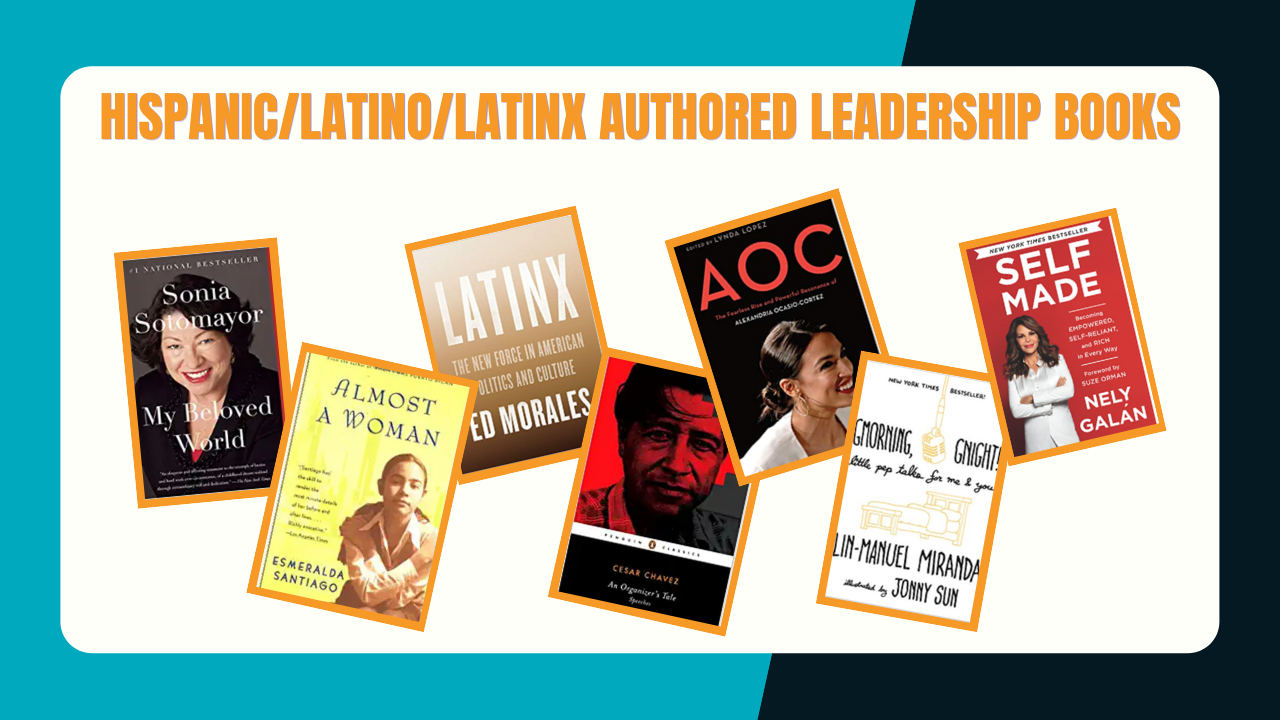
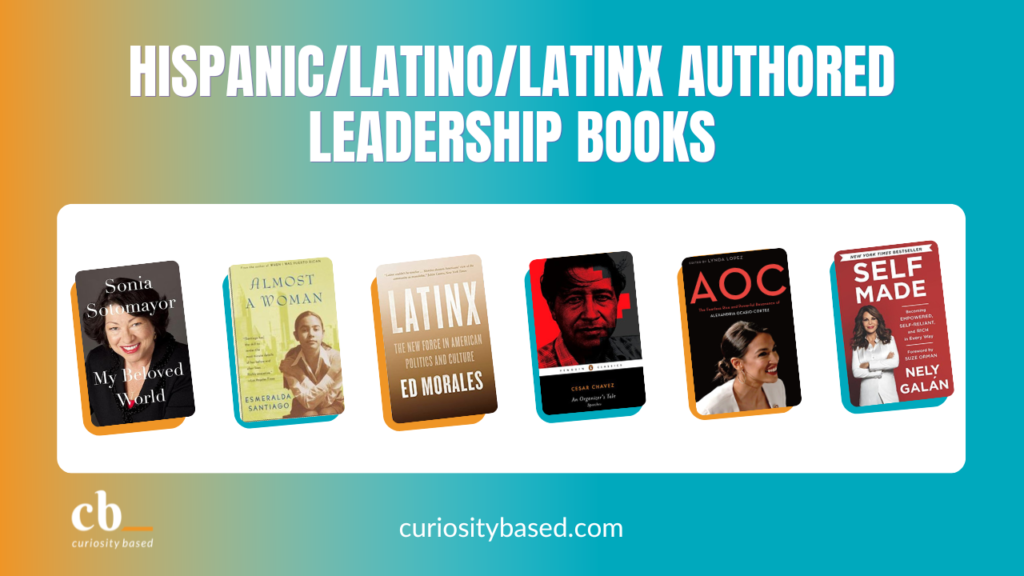
2021 Hispanic/Latino/Latinx Authored Leadership Books

We created this list to promote leadership narratives written by those who identify as Hispanic, Latino, and/or Latinx. This list is meant to be a resource, not an official endorsement. The books are not ranked or listed in any particular order. 

Download the full list below.

  1. Me by Ricky Martin
  2. And A Voice to Sing With: A Memoir by Joan Baez
  3. The Gloria Anzaldúa Reader (Latin America Otherwise) by Gloria Anzaldúa
  4. Borderlands / La Frontera: The New Mestiza by Gloria Anzaldúa
  5. Almost a Woman by Esmeralda Santiago
  6. In the Time of the Butterflies by Julie Alvarez
  7. Farmworker’s Daughter: Growing up Mexican American by Rose Castillo Guilbault
  8. The Power of Latino Leadership: Culture, Inclusion, and Contribution by Juana Bordas
  9. When I was Puerto Rican by Esmeralda Santiago
  10. Salsa, Soul, and Spirit: Leadership for a Multicultural Age by Juana Bordas
  11. Autentíco: The definitive guide to Latino Career Success by Robert Rodriguez
  12. Brown Church: Five Centuries of Latina/o Social Justice, Theology, and Identity by Robert Chao Romero
  13. Hermanas: Deepening Our Identity and Growing Our Influence by Natalia Kohn Rivera
  14. Isabel’s Hand-Me-Down Dreams by Isabel Lopez
  15. Leaving Little Havana: A Memoir of Miami’s Cuban Ghetto by Cecilia M. Fernandez
  16. Gmorning, Gnight!: Little Pep Talks for Me & You by Lin-Manuel Miranda
  17. [Un]framing the “Bad Woman”:Sor Juana, Malinche, Coylxauhqui, and other rebels with a cause by Alicia Gaspar de Alba
  18. Always Running: La Vida Loca – Gang Days in L.A. by Luis J. Rodriguez
  19. Cruz: A Cross-Border Memoir by Jean Guerrero
  20. Dear America: Notes of an Undocumented Citizen by Jose Antonio Vargas
  21. Undocumented: A Dominican Boy’s Odyssey from a Homeless Shelter to the Ivy League by Dan-el Padilla Peralta
  22. The Far Away Brothers: Two Young Migrants and the Making of an American Life by Lauren Markham
  23. My Beloved World by Sonia Sotomayor
  24. Latina Empowerment Through Leadership: Mindful Stories from Inspiring Women by Catherine Munos Garces, Monica Rivera, et al
  25. An Organizer’s Tale by Cesar Chavez
  26. My Time to Speak: Reclaiming Ancestry and Confronting Race by Ilia Calederon
  27. Rita Moreno: A Memoir by Rita Moreno
  28. American Poison: How Racial Hostility Destroyed Our Promise by Eduardo Porter
  29. My (Underground) American Dream: My True Story as an Undocumented Immigrant Who Became a Wall Street Executive by Julissa Arce
  30. The Virtuous Circle: Restore Your Confidence, Bounce Back, and Emerge Stronger by Gaby Natale
  31. Self Made: Become Empowered, Self Reliant and Rich in Every Way by Nely Galán
  32. Latino Leaders Speak: Personal Stories of Struggle and Triumph edited by Micky Ibarra and Maria Pérez-Brown
  33. Leapfrog: The New Revolution for Women Entrepreneurs by Nathalie Molina Niño
  34. The Soul of a Woman by Isabel Allende
  35. In the Dream House: A Memoir by Carmen Maria Machado
  36. Once I was You: A Memoir of Love and Hate in a Torn America by María Hinojosa
  37. More than Ready: Be Strong and Be You…and Other Lessons for Women of Color on the Rise by Cecilia Muñoz
  38. Perfectly You: Embracing the Power of Being Real by Mariana Atencio
  39. Take Charge of Your Brand: Quick and Simple Techniques to Help You Own and Manage Your Personal Brand for Professional and Personal Success by Guisselle Nuñez
  40. In the Country We Love: My Family Divided by Diane Guerrero
  41. Frida by Barbara Mujica
  42. Finding Latinx: In Search of the Voices Redefining Latino Identity by Paolo Ramos
  43. The Undocumented Americans by Karla Conejo Villavicenci
  44. AOC: The Fearless Rise and Powerful Resonance of Alexandria Ocasio-Cortes by Lynda Lopez
  45. Latinx: The New Force in American Politics by Ed Morales
  46. Mexican Enough: My Life Between the Borderlines by Stephanie Elizondo Griest
  47. Being Brown: Sonia Sotomayer and the Latino Question by Lázaro Lima
  48. An Unlikely Journey: Waking up from My American Dream by Julián Castro
  49. Hispanic Women Seeking Higher Leadership Roles in Business by Sylvia C. Motta, PhD
  50. Wild Tongues Can’t be Tamed: 15 Voices from the Latinx Diaspora edited by Saraciea J. Fennell
  51. The Leadership Shift: The Strategic Positioning of Latino Business Leaders by Dr. Nilda Perez
  52. ¡Rise up, Mi Gente! A Roadmap for Latinos to Achieve Success in Corporate America by Jesse A Mejia
  53. Inventing Latinos: A New Story of American Racism by Laura E. Gómez
  54. The 5 Disciplines of Inclusive Leaders: Unleashing the Power of Us All coauthored by Andrés Tapia
  55. When We Make It by Elisabeth Velasquez
  56. I am Not Your Perfect Mexican Daughter by Erika L. Sanchéz
  57. Latino Talent: Effective Strategies to Recruit, Retain, and Develop Hispanic Professionals by Robert Rodriguez
  58. Silencing Gender, Age, Ethnicity, and Cultural Biases in Leadership by Camilla A. Montoya, Julieta V. García. et al.
  59. Inclusion Revolution: The Essential Guide to Dismantling Racial Inequity in the Workplace by Daisy Auger-Dominguez
  60. Latinas Rising Up in HR: Inspirational Stories of Human Resources Professional Leading, Thriving, and Breaking Barriers by Priscilla Guasso
  61. The Secret Principles of Genius: The Key to Unlocking Your Hidden Genius Potential by I.C. Robledo
  62. I Got This: To Gold and Beyond by Lauren Hernandez
  63. The Engine of America: The Secrets to Small Business Success from Entrepreneurs Who Have Made It by Jane Delgado
  64. The Latina Guide to Health: Consejos and Caring Answers by Jane Delgado
  65. Field Mice: Memoirs of a Migrant Child by Emma Gonzalez
  66. Los Amos del Mundo Están al Acecho by Cristina Martin Jimenez
  67. Growing American Roots by Bob Menendez
  68. Dream in Color: How the Sánchez Sisters are Making History in Congress by Linda Sánchez
  69. Healing Journey: Surviving Domestic Violence by Lupe Valdez
  70. La Nueva California: Latinos from Pioneers to Post-Millennials by David Hayes-Bautista
  71. El Cinco de Mayo: An American Tradition by David Hayes-Bautista
  72. Latinas in Aviation by Jacqueline S. Ruiz
  73. Becoming Dr. Q: My Journey from a Migrant Farm Worker to brain Surgeon by Alfredo Quinones-Hinjosa
  74. The Universal Tone: Bringing My Story to Light by Carlos Santana
  75. Take a Stand: Lessons from Rebels by Jorge Ramos
  76. The Injustice Never Leaves You: Anti-Mexican Violence in Texas by Monica Muñoz Martinez
  77. Powerhouse Principles: The Ultimate Blueprint for Real Estate Success in an Ever-Changing Market by Jorge Perez
  78. The Buena Salud Guide to Understanding Depression and Enjoying Life by Jane Delgado
  79. Leadership Lessons of the White House Fellows: Learn How to Inspire Others, Achieve Greatness , and Find Success in Any Organization by Charles P. Garcia
  80. Persevere with Power: What Heaven Starts, Hell Cannot Stop by Samuel Rodriguez
  81. In Defense of Our America: The Fight for Civil Liberties in the Age of Terror by Anthony D. Romero
  82. One Vote Away: How a Single Supreme Court Seat Can Change History by Ted Cruz
  83. Still Dreaming: My Journey from the Barrio to Capitol Hill by Luis Gutiérrez
  84. An American Son: A Memoir by Marco Rubio
  85. The Undocumented Americans by Karla Cornejo Villavicencio
  86. A House of My Own: Stories from My Life by Sandra Cisneros
  87. Spirit Run: A 6000 Mile Marathon Through America’s Stolen Land by Noe Alvarez
  88. Dirty Girls Social Club by Alisa Valdes-Rodriguez
  89. Woven in Moonlight by Isabel Ibañez
  90. The Latino Advantage in the Workplace by Mariela Dabbah and Arturo Poiré
  91. Dream Big by Deborah Rosado Shaw
  92. Youth, Identity, Power: The Chicano Movement by Carlos Munoz Jr.
  93. Mean by Myriam Gurba
  94. Presumed Incompetent: The Intersections of Race and Class for Women in Academia by Gabriella Gutiérrez y Muhs, Yolanda Flores Niemann, and Carmen G. González
  95. Enrique’s Journey: The Story of a Boy’s Dangerous Odyssey to Reunite with his Mother by Sonia Nazarrio
  96. A Passion for Politics (Mission Bells) by Anita Perez Ferguson
  97. Latinos in American Society: Families and Communities in Transition by Dr. Ruth Enid Zambrana
  98. Journey to the Future: A Roadmap for Success for Youth by Ltc. Consuelo Castillo Kickbusch
  99. Homeless my Choice by Roy Juarez Jr.
  100. The Story of Latinos and Education in American History by Dr. Abdín Noboa-Ríos
  101. A Long Petal of the Sea by Isabel Allende
  102. The Deepest Roots: Finding Food and Community on a Pacific Northwest Island by Kathleen Alcalá
  103. Más Allá de la Justicia by Maria de lourdes Victoria

We are continually adding to this list. If you have any recommended additions please send us an email at info@curiositybased.com so we can add it here.

Interested in reading more? Check out our LGBTQ-Authored Leadership Booklist!

Read our other leadership booklists too! 

Showing respect with Information

This is our third installment of an introduction to the  7 Forms of Respect (FoR),™a tool that provides a vocabulary to describe what matters most to you and others. The 7 FoR tool builds mutual trust and understanding by giving people a vocabulary to describe what matters to you and to others. Respect is relative. What is important to you might not be important to someone else.

In this post, we will be going in-depth on “Information” as a form of respect. The others include: procedure, punctuality, candor, consideration, acknowledgement and attention. Information as a form of respect can be described as access to unedited information.

How Information shows up in everyday life 

Imagine you’re the CEO of a company engaging in discussions about pay equity. You have always prided yourself on fostering a transparent culture. Some of your senior leaders have suggested that the company publish everyone’s salary as a way to help ensure pay equity. You know there are many people uncomfortable with that suggestion.

Do you publish everyone’s salary? Or does that feel like it’s an invasion of privacy? Sharing salary is legal. And, if you publish, you are giving respect in the form of Information to your employees.

If you don’t publish, you are giving Consideration as a form of respect to those employees who you suspect would not  want their salary shared.

This example demonstrates the complexity of creating respectful policies, because people have different expectations or what respect looks like. 

Information can look like: 

  • Offering a lot of extra context and background information 
  • Inviting people to meetings even when they have no clear role to play
  • Copying people on emails just so they are informed, not because they need to do something with the information 
  • Giving people open access to files so they can look through them themselves 

Lack of Information as a form of respect looks like: 

  • Only sharing information on a need to know basis 
  • Only inviting people to meetings who have a clear role to play 
  • Removing people from the copy line of emails if you feel they no longer need to be included 

How Information can be interpreted differently 

There are many different personal and professional reasons why someone would care about giving and/or getting Information as a form of respect. Understanding your forms of respect starts with asking yourself: why does this matter to me? Many people in our research talked about their families and childhood. Others focused on the demands of their current job function and company culture. 

FoR provides a shared language to describe what you need. You’ll be able to use this language to navigate conflict and address misunderstanding. This can come up when you want a particular FoR of respect and you aren’t getting it. You can then share why the FoR matters to you.

Scenario 1:

Mona was a project manager working in small and medium nonprofits before she was offered a job at  a large tech company. Her coworkers started inviting her to so many meetings and adding her to the copy line of their emails. Her Inbox exploded. She thought they were just trying to get her up to speed. After two months, she told her manager  how the volume of emails and meetings made her feel overwhelmed . She was instructed to replicate the behavior. To copy other people on emails even if they were only tangentially related to the project. “Aren’t I wasting people’s time by sending them things to read that aren’t related to the work?” She asked her manager.”  We show respect here by giving Information. We let people decide what to do with the information. It’s important to keep them in the loop,” her manager explained.

Scenario 2:

Eric and Leo are peers on a team together and they report to the same manager. Eric shared  guidance on a project to Leo over email. Leo had some questions about Eric’s guidance and responded over email and copied their manager. Eric got upset that Leo added their manager to the email chain. He answered Leo’s question and removed their manager from the “reply all.” Leo responded and added their manager back on the copy line. Eric then called Leo, “Why do you keep adding our manager on the email? She’s busy and you’re wasting her time and you’re making me look like I don’t know – how to do my job in front of her.” Leo said, “She told us she likes to be given visibility on our communication. She said she likes to get Information as her form of Respect. I’m not trying to get you in trouble. I’m just trying to do what our manager asked for!” Eric then understood Leo was prioritizing their manager’s needs, not trying to disrespect him. 

Our preference for certain Forms of Respect are rooted in our past experiences. Explaining those experiences builds empathy with others. Whenever you work with someone who doesn’t share your same forms of respect, you can use FoR to talk about it. Ask them about their past experiences and who influenced them.

Information is a form of respect focused on offering free access to information and data without the other person having to ask for it. It does not require guiding others to do something with the information. It is giving information for the sake of giving information. If you don’t care about Information as a form of respect, it doesn’t mean you’re disrespectful. It just means you may value privacy and targeted information sharing over transparency. 

What’s Next

Check out Dr. Julie Pham’s book, 7 Forms of Respect: A Guide to Transforming Your Communication and Relationships at Work.

To learn more, visit our website. CuriosityBased is also available to hold workshops with your company or team about applying  the 7 Forms of Respect to improve communication, collaboration and trust.

Is Information a form of respect for you? 

Take the free quiz here.