banner

Mastering Effective Verbal Communication at Work

Effective communication is a part of practicing curiosity, which consists of three essential elements: self-awareness, relationship building, and clear communication. It’s important to understand that before we can genuinely resonate with others with our communication, we have to first align with our own thoughts and objectives.

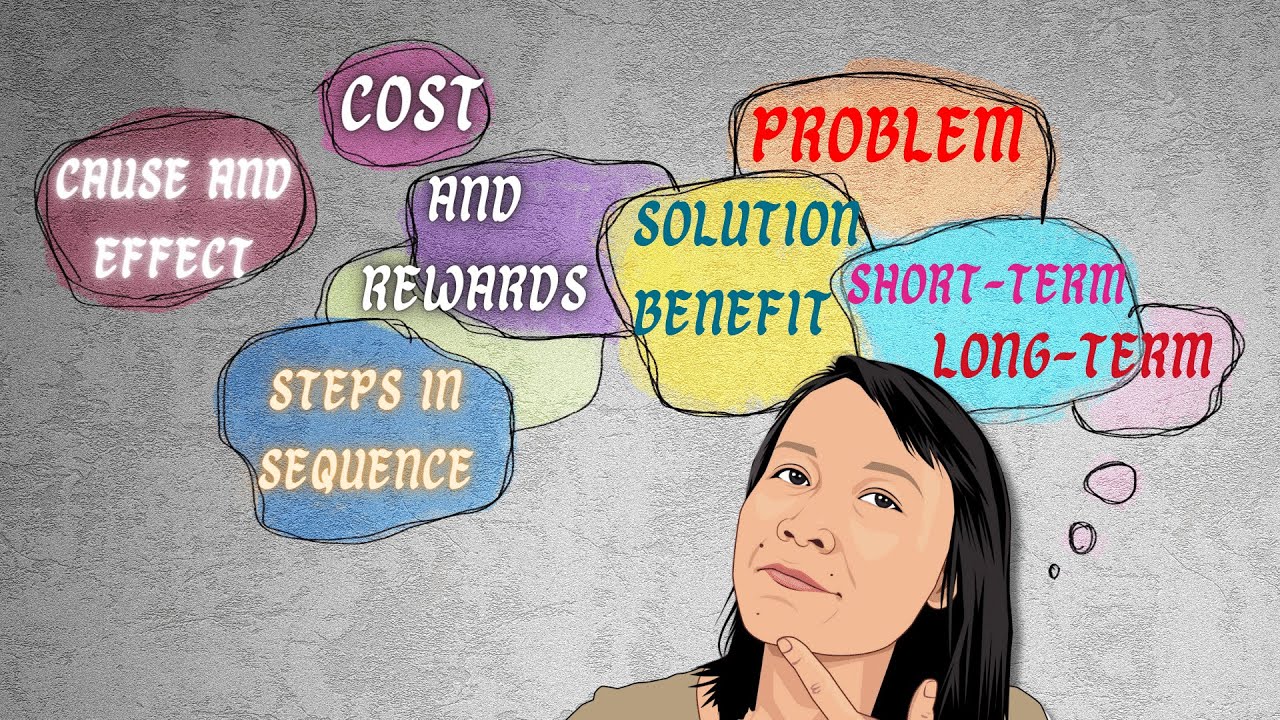
To guide this alignment, I’ll introduce five logical structures. Each structure serves a unique purpose in communication, and requires you to really think about the core message you aim to convey. Recognizing the essence of your message allows you to use the most fitting structure for clarity. To illustrate these structures, I will use a scenario involving a fictional software company facing challenges with its product offerings.

1. Cause and Effect

Effective communication starts with understanding the cause and its subsequent effects. It’s about tracing back to the root of an issue and comprehending its implications.

Logical StructureQuestion AddressedExampleSoftware Company Scenario
Cause and EffectWhat’s the root cause, and what are its consequences?A neglected core software product leads to unrealized revenue potential.The company hasn’t maximized the profit of its core software product.

2. Steps in a Sequence

Every situation has a backstory. By breaking down events step by step, we can gain a clearer understanding of how a situation unfolded.

Logical StructureQuestion AddressedExampleSoftware Company Scenario
Steps in a SequenceWhat events led to the current situation?Sales desires more software features; engineering cites resource constraints; a less profitable product is identified; resources are reallocated.Sales team wants enhanced features; engineering team flags resource limitations; focus shifts from a low-profit product.

3. Problem-Solution-Benefit

Every challenge presents an opportunity. By identifying problems and crafting solutions, we can unlock potential benefits.

Logical StructureQuestion AddressedExampleSoftware Company Scenario
Problem-Solution-BenefitWhat’s the challenge, the solution, and the resulting benefits?Customers seek more software features; an underperforming product is discontinued to free up resources; this leads to enhanced customer retention and increased profits.Addressing customer demands by reallocating resources, leading to higher customer retention and profitability.

4. Short Term vs. Long Term

Immediate actions have both present and future implications. It’s essential to weigh the short-term impacts against the long-term outcomes.

Logical StructureQuestion AddressedExampleSoftware Company Scenario
Short Term vs. Long TermWhat are the immediate implications and the future outcomes?An engineer’s initial productivity dip during transition, followed by a projected 40% profitability boost within a year.Initial productivity challenges offset by a long-term rise in profitability.

5. Costs and Rewards

Every decision has its price. By evaluating potential investments against expected returns, we can make informed choices.

Logical StructureQuestion AddressedExampleSoftware Company Scenario
Costs and RewardsWhat are the potential investments and the expected returns?An engineer’s learning curve with the core product, offset by the potential for maximized company profits.Investment in training yields potential for significant profit increase.

As you can see with each of these different logic structures, they each have their own function. That’s why understanding what you’re trying to convey is paramount. These logical structures serve as tools to help you communicate effectively by articulating your thoughts with precision. As you move forward, consider employing these structures in your daily communications, be it in professional settings or personal interactions. They can guide you in presenting information clearly, ensuring your message is both understood and impactful. Clarity in communication is a skill, and with the right tools and practice, it can be mastered.
120+ Leadership Books Written by Hispanic/Latino/Latinx Authors

We created this list to promote leadership narratives written by the Hispanic/Latino/Latinx community. This list is meant to be a resource, not an official endorsement. The books are not ranked or listed in any particular order.

Check out our other leadership book lists by authors who identify as LGBTQIA+, AANHPI, Native American, women, and those who identify as having disabilities.

  1. Me by Ricky Martin
  2. And A Voice to Sing With: A Memoir by Joan Baez
  3. The Gloria Anzaldúa Reader (Latin America Otherwise) by Gloria Anzaldúa
  4. Borderlands / La Frontera: The New Mestiza by Gloria Anzaldúa
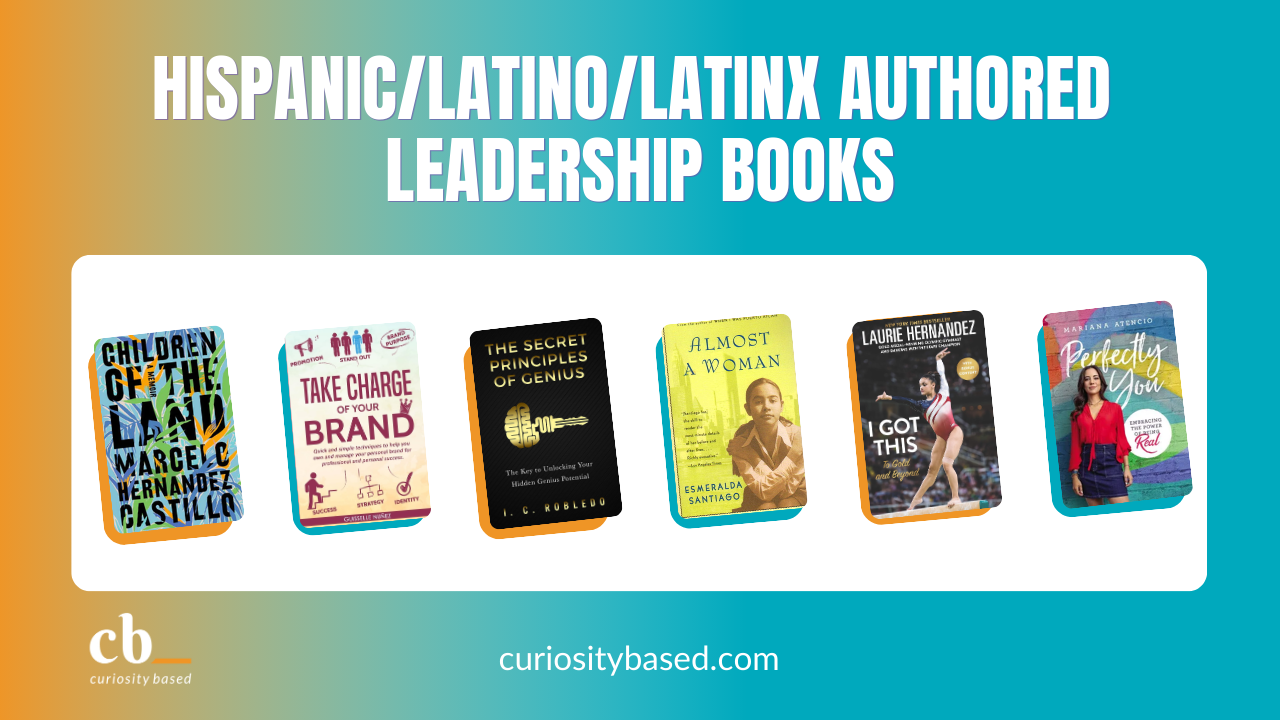
  5. Almost a Woman by Esmeralda Santiago
  6. In the Time of the Butterflies by Julie Alvarez
  7. Farmworker’s Daughter: Growing up Mexican American by Rose Castillo Guilbault
  8. The Power of Latino Leadership: Culture, Inclusion, and Contribution by Juana Bordas
  9. When I was Puerto Rican by Esmeralda Santiago
  10. Salsa, Soul, and Spirit: Leadership for a Multicultural Age by Juana Bordas
  11. Autentíco: The definitive guide to Latino Career Success by Robert Rodriguez
  12. Brown Church: Five Centuries of Latina/o Social Justice, Theology, and Identity by Robert Chao Romero
  13. Hermanas: Deepening Our Identity and Growing Our Influence by Natalia Kohn Rivera
  14. Isabel’s Hand-Me-Down Dreams by Isabel Lopez
  15. Leaving Little Havana: A Memoir of Miami’s Cuban Ghetto by Cecilia M. Fernandez
  16. Gmorning, Gnight!: Little Pep Talks for Me & You by Lin-Manuel Miranda
  17. [Un]framing the “Bad Woman”:Sor Juana, Malinche, Coylxauhqui, and other rebels with a cause by Alicia Gaspar de Alba
  18. Always Running: La Vida Loca – Gang Days in L.A. by Luis J. Rodriguez
  19. Cruz: A Cross-Border Memoir by Jean Guerrero
  20. Dear America: Notes of an Undocumented Citizen by Jose Antonio Vargas
  21. Undocumented: A Dominican Boy’s Odyssey from a Homeless Shelter to the Ivy League by Dan-el Padilla Peralta
  22. The Far Away Brothers: Two Young Migrants and the Making of an American Life by Lauren Markham
  23. My Beloved World by Sonia Sotomayor
  24. Latina Empowerment Through Leadership: Mindful Stories from Inspiring Women by Catherine Munos Garces, Monica Rivera, et al
  25. An Organizer’s Tale by Cesar Chavez
  26. My Time to Speak: Reclaiming Ancestry and Confronting Race by Ilia Calederon
  27. Rita Moreno: A Memoir by Rita Moreno
  28. American Poison: How Racial Hostility Destroyed Our Promise by Eduardo Porter
  29. My (Underground) American Dream: My True Story as an Undocumented Immigrant Who Became a Wall Street Executive by Julissa Arce
  30. The Virtuous Circle: Restore Your Confidence, Bounce Back, and Emerge Stronger by Gaby Natale
  31. Self Made: Become Empowered, Self Reliant and Rich in Every Way by Nely Galán
  32. Latino Leaders Speak: Personal Stories of Struggle and Triumph edited by Micky Ibarra and Maria Pérez-Brown
  33. Leapfrog: The New Revolution for Women Entrepreneurs by Nathalie Molina Niño
  34. The Soul of a Woman by Isabel Allende
  35. In the Dream House: A Memoir by Carmen Maria Machado
  36. Once I was You: A Memoir of Love and Hate in a Torn America by María Hinojosa
  37. More than Ready: Be Strong and Be You…and Other Lessons for Women of Color on the Rise by Cecilia Muñoz
  38. Perfectly You: Embracing the Power of Being Real by Mariana Atencio
  39. Take Charge of Your Brand: Quick and Simple Techniques to Help You Own and Manage Your Personal Brand for Professional and Personal Success by Guisselle Nuñez
  40. In the Country We Love: My Family Divided by Diane Guerrero
  41. Frida by Barbara Mujica
  42. Finding Latinx: In Search of the Voices Redefining Latino Identity by Paolo Ramos
  43. The Undocumented Americans by Karla Conejo Villavicenci
  44. AOC: The Fearless Rise and Powerful Resonance of Alexandria Ocasio-Cortes by Lynda Lopez
  45. Latinx: The New Force in American Politics by Ed Morales
  46. Mexican Enough: My Life Between the Borderlines by Stephanie Elizondo Griest
  47. Being Brown: Sonia Sotomayer and the Latino Question by Lázaro Lima
  48. An Unlikely Journey: Waking up from My American Dream by Julián Castro
  49. Hispanic Women Seeking Higher Leadership Roles in Business by Sylvia C. Motta, PhD
  50. Wild Tongues Can’t be Tamed: 15 Voices from the Latinx Diaspora edited by Saraciea J. Fennell
  51. The Leadership Shift: The Strategic Positioning of Latino Business Leaders by Dr. Nilda Perez
  52. ¡Rise up, Mi Gente! A Roadmap for Latinos to Achieve Success in Corporate America by Jesse A Mejia
  53. Inventing Latinos: A New Story of American Racism by Laura E. Gómez
  54. The 5 Disciplines of Inclusive Leaders: Unleashing the Power of Us All coauthored by Andrés Tapia
  55. When We Make It by Elisabeth Velasquez
  56. I am Not Your Perfect Mexican Daughter by Erika L. Sanchéz
  57. Latino Talent: Effective Strategies to Recruit, Retain, and Develop Hispanic Professionals by Robert Rodriguez
  58. Silencing Gender, Age, Ethnicity, and Cultural Biases in Leadership by Camilla A. Montoya, Julieta V. García. et al.
  59. Inclusion Revolution: The Essential Guide to Dismantling Racial Inequity in the Workplace by Daisy Auger-Dominguez
  60. Latinas Rising Up in HR: Inspirational Stories of Human Resources Professional Leading, Thriving, and Breaking Barriers by Priscilla Guasso
  61. The Secret Principles of Genius: The Key to Unlocking Your Hidden Genius Potential by I.C. Robledo
  62. I Got This: To Gold and Beyond by Lauren Hernandez
  63. The Engine of America: The Secrets to Small Business Success from Entrepreneurs Who Have Made It by Jane Delgado
  64. The Latina Guide to Health: Consejos and Caring Answers by Jane Delgado
  65. Field Mice: Memoirs of a Migrant Child by Emma Gonzalez
  66. Los Amos del Mundo Están al Acecho by Cristina Martin Jimenez
  67. Growing American Roots by Bob Menendez
  68. Dream in Color: How the Sánchez Sisters are Making History in Congress by Linda Sánchez
  69. Healing Journey: Surviving Domestic Violence by Lupe Valdez
  70. La Nueva California: Latinos from Pioneers to Post-Millennials by David Hayes-Bautista
  71. El Cinco de Mayo: An American Tradition by David Hayes-Bautista
  72. Latinas in Aviation by Jacqueline S. Ruiz
  73. Becoming Dr. Q: My Journey from a Migrant Farm Worker to brain Surgeon by Alfredo Quinones-Hinjosa
  74. The Universal Tone: Bringing My Story to Light by Carlos Santana
  75. Take a Stand: Lessons from Rebels by Jorge Ramos
  76. The Injustice Never Leaves You: Anti-Mexican Violence in Texas by Monica Muñoz Martinez
  77. Powerhouse Principles: The Ultimate Blueprint for Real Estate Success in an Ever-Changing Market by Jorge Perez
  78. The Buena Salud Guide to Understanding Depression and Enjoying Life by Jane Delgado
  79. Leadership Lessons of the White House Fellows: Learn How to Inspire Others, Achieve Greatness , and Find Success in Any Organization by Charles P. Garcia
  80. Persevere with Power: What Heaven Starts, Hell Cannot Stop by Samuel Rodriguez
  81. In Defense of Our America: The Fight for Civil Liberties in the Age of Terror by Anthony D. Romero
  82. One Vote Away: How a Single Supreme Court Seat Can Change History by Ted Cruz
  83. Still Dreaming: My Journey from the Barrio to Capitol Hill by Luis Gutiérrez
  84. An American Son: A Memoir by Marco Rubio
  85. The Undocumented Americans by Karla Cornejo Villavicencio
  86. A House of My Own: Stories from My Life by Sandra Cisneros
  87. Spirit Run: A 6000 Mile Marathon Through America’s Stolen Land by Noe Alvarez
  88. Dirty Girls Social Club by Alisa Valdes-Rodriguez
  89. Woven in Moonlight by Isabel Ibañez
  90. The Latino Advantage in the Workplace by Mariela Dabbah and Arturo Poiré
  91. Dream Big by Deborah Rosado Shaw
  92. Youth, Identity, Power: The Chicano Movement by Carlos Munoz Jr.
  93. Mean by Myriam Gurba
  94. Presumed Incompetent: The Intersections of Race and Class for Women in Academia by Gabriella Gutiérrez y Muhs, Yolanda Flores Niemann, and Carmen G. González
  95. Enrique’s Journey: The Story of a Boy’s Dangerous Odyssey to Reunite with his Mother by Sonia Nazarrio
  96. A Passion for Politics (Mission Bells) by Anita Perez Ferguson
  97. Latinos in American Society: Families and Communities in Transition by Dr. Ruth Enid Zambrana
  98. Journey to the Future: A Roadmap for Success for Youth by Ltc. Consuelo Castillo Kickbusch
  99. Homeless my Choice by Roy Juarez Jr.
  100. The Story of Latinos and Education in American History by Dr. Abdín Noboa-Ríos
  101. A Long Petal of the Sea by Isabel Allende
  102. The Deepest Roots: Finding Food and Community on a Pacific Northwest Island by Kathleen Alcalá
  103. Más Allá de la Justicia by Maria de lourdes Victoria
  104. The Likeability Trap: How to Break Free and Succeed as You Are by Alicia Menendez
  105. Ready, Set, Manifest!: A Handbook for the In-betweens and Leaps in Life by Debbie Lacey
  106. Hurdles in the Dark by Elvira K. Gonzalez
  107. In the Shadow of the Mountain: A Memoir of Courage by Silvia Vasquez-Lavado
  108. Through the Dark by Yolanda Nava
  109. Thriving in the Fight: A Survival Manual for Latinas on the Front Lines of Change by Denise Padin Collazo
  110. Justice & Space Matter in a Strong, Unified Latino Community by Kathy Bussert-Web, Maria Eugenia Diaz, Krystal A Yanez
  111. Breaking Ground and Barriers: Hispanic Women Developing Effective Leadership by Gloria Bonilla-Santiago, Ph.D.
  112. Latinization and the Latino Leader: How to Value, Develop, and Advance Latino Professionals by Cristina Benitez & Marlene Gonzalez
  113. Latino and Latina Leaders of the 21st Century: Ordinary Beginnings, Extraordinary Outcomes by Kay (Kayla) S. Garcia
  114. Latina Empowerment Through Leadership: Mindful Stories from Inspiring Women by Catherine Munoz-Garces, Monica Rivera, Lizza Monet Morales, Celia Garcia, Veronica Corona, Maggie Antillon Mathews, Roxana Damas, and Jennifer Ibarra
  115. The More or Less Definitive Guide to Self Care by Anna Borges
  116. Act Like a Leader, Think Like a Leader by Hermina Ibarra
  117. You Don’t Have to Like Me: Essays on Growing Up, Speaking Out, and Finding Feminism by Alida Nugent
  118. Children of the Land: A Memoir by Marcelo Hernandez Castillo
  119. Wealth Warrior: 8 Steps for Communities of Color to Conquer the Stock Market by Linda Garcia
  120. Solito: A Memoir by Javier Zamora
  121. Living Beyond Borders: Growing Up Mexican in America by Margarita Longoria
  122. Chinoga: Owning Your Inner Badass for Healing and Justice by Alma Zaragoza-Petty

View all of our leadership book lists here.

How to Respond to LinkedIn Spam 

LinkedIn has been a game-changer for me, opening doors to countless professional opportunities and connections, and allowing me to trade ideas and resources with my network. But let’s be honest, with its vast user base comes an inevitable downside: the relentless wave of LinkedIn spam. From eager sales pitches to random connection requests, I’ve seen it all. If you’re active on LinkedIn, chances are that you’ve experienced this as well. Over time, I’ve developed some strategies to handle these with grace and poise. Here’s my personal guide to managing unsolicited, spammy requests and messages on LinkedIn. 

  1. Ignore the request: Ever received a connection request without any message? I get them all the time. If they didn’t take a moment to introduce themselves or give a reason for why they’d like to connect, I usually move on without feeling guilty. 
  2. Give a clear response to requests accompanied by messages: When a message accompanies a request, I give it a read. If it’s genuine, I’m all ears. Or if they’d like to connect to grow their network, I might say yes because it’s not hurting anyone and I’ve gained a connection.  
  3. Practice reciprocity: I occasionally get requests to follow someone’s page. If it resonates with my interests, I’m on board. But networking is about mutual growth, right? So I’ll usually ask them to follow my company page in return. 
  4. Respond with a question:  Sometimes, I’m curious. Why did they reach out? Asking, “What about my profile stood out to you?” not only satisfies my curiosity but also helps me understand my online presence better. Oftentimes when I ask questions, they don’t respond at all. 
  5. Be direct about the sales pitch: If they’re giving you an offer that straight up sales pitch be direct about if you’re interested or not. It’s ok to politely decline. And while I”m at it, I might suggest they check out my company page. Who knows, they might find something they like or there could be an opportunity for us to connect in the future. To their sales pitch, you can say something like “No thank you. By the way, would you consider following my company page?” 
  6. Get clarity on their ask: Some messages are just… vague. I often get messages like “I have a podcast where I interview the best leaders” or “This service I offer has benefitted companies similar to yours”, without a clear proposition. In such cases, I ask outright “Are you asking me to be on your podcast?” or “Are you asking me to buy your service?”. It’s surprising how many times I don’t get a response. 
  7. Use it as an opportunity for mutual growth: If someone is keen on offering a service, I suggest a mutual learning call. We spend time understanding each other’s services. It’s less about purchasing and more about learning. Most of the time, people ignore the request, but I still feel good about responding in this way. In the few times people have said yes, I’ve gotten to learn about their services and industry and they ask me questions about mine, which has helped me get better at selling. 

​​LinkedIn is a treasure trove of opportunities, but it’s essential to sift through the noise. With these strategies, I’ve managed to turn potential distractions into meaningful interactions. And who knows? The next random message might just be the opportunity you’ve been waiting for.

Entrepreneurial Success: 10 Essential Skills in Business

Entrepreneurship is a dynamic journey, one that demands constant learning and an insatiable curiosity. In this ever-evolving landscape, there’s so much we don’t know, and the key to success lies in recognizing this and seeking knowledge relentlessly. As an entrepreneur myself, I’ve navigated through these challenges and have identified ten pivotal skills that have shaped my journey. Let’s delve into them.

  1. Manage your money.You need to know how to handle your money. If you’ve struggled with personal finances in the past, now is the time to learn. Understanding debits and credits, how money flows in and out of your business, is essential. I know someone who used to use their credit card to withdraw cash all the time, not realizing the implications. After dedicating time to learn about business finances, she transformed her financial habits and is now a boss with her money.  
  1. Learn how to read spreadsheets. Business is about money and that is tracked in spreadsheets. You need to get comfortable with spreadsheets. There are many free resources. You can check out organizations like SCORE and Business Impact Northwest to get started. I  can’t tell you how many times I made a near catastrophic mistake with my calculations and knowing how to read my spreadsheet saved me.  
  1. Listen to understand. You have to do a lot of listening as an entrepreneur–to your customers, employees, and partners. Listen to their needs, their concerns, their dreams and aspirations. Understand them.
  1. Ask questions, even when you think you know. Even if you believe you have the answer, ask for clarity, because it’s not about the answer itself. It’s about the perspective that it reveals. At CuriosityBased, we’ve crafted a learning experience centered on asking questions to clarify, underscoring the importance of this skill. I might think I know an answer, but not from that person’s perspective. I might be right about what they want, but wrong about why they want it. Understanding the “why” is often more important than the “what”. 
  1. Connect the dots (be strategic) When you’re able to listen and ask questions, you’ll build your capacity to connect the dots and be strategic. You’ll be scrapping together limited resources. For example, when I was running my Vietnamese newspaper, I heard from other community newspapers that they were struggling and from organizations who had a hard time reaching out to our communities. I was able to connect the dots.
  1. Share your story and your why. A lot of people want to start their own businesses and they lack the courage. When you tell your story, you’re including them in your journey and you’re inspiring them. It can be super hard to talk about yourself. It might even feel like you’re bragging. You need to get clear about your “why”. I often tell people the only reason I left the best job I ever had was so I could get to own my work and have freedom, which is a big part of my identity as a Vietnamese refugee.
  1. Share your expertise. This can be hard to do, but show off what you know. You might feel like a show off. You might worry that if you share this, then people will steal all your secrets. In most cases, though, your customers will pay you to do this work for them. They will rarely use it to do the work themselves. Don’t worry about sharing your expertise. Also, what is obvious to you is not obvious to other people. 
  1. Ask for business. This is super hard. I have to give myself a little pep talk every time I do it. “Let me know if I can provide you with any services or help your team.” Swallow your pride and do it. 
  1. Delegate/outsource some of your work. There is endless work for an entrepreneur to do. You have to know what to outsource. I don’t create agendas for internal meetings. I don’t look for tech solutions or do video editing. I delegate and outsource, so I can focus on what gives me energy.
  1. Repress your inner critic. You will have so many doubts. I call my doubting voice “Insecure Julie”. You have to learn to shut that person down so that you can move forward. It’s a skill to know the difference between your gut warning you not to do something and your inner critic telling you you’re not good enough to do something. You’ve got to differentiate the two. 

Embarking on the entrepreneurial journey is both challenging and rewarding. By honing these skills and continuously seeking knowledge, you pave the way for success. Remember, it’s about the journey, the continuous learning, and most importantly, believing in yourself.