#7 Harnessing Storytelling and Curiosity in a Remote Culture with Jennifer Strachan
Subscribe Now!
Curiosity at Work: Jennifer Strachan on Storytelling, Organizational Culture, and Remote Work Transformation
In this episode of Curiosity at Work, Dr. Julie Pham is joined by Jennifer Strachan, CEO of inReach, a nonprofit that uses the power of storytelling to reshape cultural narratives. With a 25-year career in public and commercial media, including her experience as an Emmy Award-winning producer, Jennifer shares valuable insights into her journey and the work of inReach.
Embracing Remote Work and Organizational Change
Jennifer discusses how inReach navigated a major organizational shift by embracing a fully remote work model. She explains the challenges and opportunities that come with leading a remote team and fostering curiosity within a diverse group. Her approach emphasizes how curiosity can be a catalyst for transformation in both storytelling and organizational culture.
The Role of Communication and Values in Remote Settings
Jennifer highlights the importance of understanding individual communication styles in remote settings. She underscores how recognizing different styles can improve collaboration and strengthen team dynamics. She also discusses how values play a crucial role in shaping workplace culture, especially in a remote environment. By aligning values with communication practices, inReach has created a positive, inclusive, and productive work culture.
Building Connections through Storytelling and Creativity
One of the most creative ways in which Jennifer fosters connection within her team is by encouraging the sharing of personal stories and images. She believes that storytelling is not just for external audiences but is also a powerful tool for building internal relationships. These creative practices help build joy and strengthen bonds, even in a remote work environment.
How Curiosity Drives Organizational Culture and Transformation
Jennifer’s leadership philosophy is centered around curiosity as a transformative force. She believes that curiosity fuels innovation and helps organizations adapt to change. In this episode, Jennifer explains how curiosity drives both the storytelling work of inReach and the evolution of its internal culture. Tune in to learn how curiosity can lead to positive change and drive growth in nonprofit organizations.
We created this list to promote leadership books by disabled authors. This list is meant to be a resource, not an official endorsement. The books are not ranked or listed in any particular order.
1. A Body, Undone: Living On After Great Pain — Christina Crosby
2. A Face for Picasso: Coming of Age with Crouzon Syndrome — Ariel Henley
3. Adult ADHD: How to Succeed as a Hunter in a Farmer’s World — Thom Hartmann
4. An Unquiet Mind: A Memoir of Moods and Madness — Kay Redfield Jamison
5. And Now We Are Going to Have a Party: Liner Notes to a Writer’s Early Life — Nicola Griffith
6. Apocalyptic Best Practices: A unique approach to fear and change — Elisebeth VanderWeil
7. ASL Saved My Life…Until it didn’t — Jenni Kleinman Berebitsky
8. Authentic: The Myth of Bringing Your Full Self to Work — Jodi Ann Burey
9. Be Different — John Elder Robison
10. Being Heumann: an unrepentent memoir of a disability rights activist — Judith E. Heumann
11. Black, Blind, In Charge: A Story of Visionary Leadership and Overcoming Adversity — David A Paterson
12. Blind: A Memoir — Belo Cipriani
13. Body, Remember: A memoir — Kenny Fries
14. Brain on Fire: My Month of Madness — Susannah Cahalan
15. Brilliant Imperfection: Grappling With Cure — Eli Clare
16. Calling all Minds: How to Think and Create Like an Inventor — Temple Grandin
17. Care Work: Dreaming Disability Justice — Leah Lakshmi Piepzna-Samarasinha
18. Chef Interrupted — Trevis Gleason
19. Claiming Disability: Knowledge and Identity — Simi Linton
20. Count Us In: Growing Up with Down Syndrome — Jason Kingsley (Author), Mitchell Levitz (Author)
21. Crazy, Who Me?: My Journey as a Leader Overcoming Depression — John Panigas
22. Deaf in Japan: Signing and the Politics of Identity — Karen Nakamura
23. Deaf Utopia: A Memoir―and a Love Letter to a Way of Life — Coauthored by Nyle DiMarco
24. Defiant — Michael Scott Monje Jr.
25. Demystifying Disability: What to Know, What to Say, and How to Be an Ally — Emily Ladau
26. Disability Incarcerated: Imprisonment and Disability in the United States and Canada — Liat Ben-moshe (editor), Allison C. Carey (Editor), Chris Chapman (Editor), Angela Y. Davis (Foreword)
27. Disability Visibility: First-Person Stories from the Twenty-First Century — Alice Wong
28. Disabled Leadership — Dr. Tom A. Wiggins
29. Disarm Your Limits: The flight formula to lift you to success and propel you to the next horizon — Jessica Cox
30. Disfigured: On Fairy Tales, Disabiity and Making Space — Amanda Leduc
31. Dissonant Disabilities: Women With Chronic Illness Explore Their Lives — Michelle Owen, Diane Driedger (Editor)
32. Don’t Worry, He Won’t Get Far on Foot — John Callahan
33. Elegy for a Disease: A Personal and Cultural History of Polio — Anne Finger
34. Exile and Pride: Disability, Queerness, and Liberation — Eli Clare
35. Extraordinary Bodies: Figuring Physical Disability in American Culture and Literature — Rosemarie Garland-Thomson
36. Fading Scars: My Queer Disability History — Corbett O’Toole
37. Fall Down, Laughing: How Squiggy caught multiple sclerrosis and didn’t tell nobody — David Lander
38. Fearlessly Different: An Autistic Actor’s Journey to Broadway’s Biggest Stage — Mickey Rowe
39. Feminist Queer Crip — Alison Kafer
40. Find Another Dream — Maysoon Zayid
41. Gaby Brimmer: An Autobiography in Three Voices — Gaby Brimmer (Author), Elena Poniatowska
42. Goalkeeper: Memoir of Poet Peter Street — Peter Street, Lorraine Worsley-Carter (Foreword)
43. Golem Girl — Riva Lehrer
44. Haben: The deafblind woman who conquered Harvard Law — Haben Girma
45. Holding Change: The Way of Emergent Strategy Facilitation and Mediation — Adrienne Maree Brown
46. House of Prayer No. 2 — Mark Richard
47. How I Became a Human Being: A Disabled Man’s Quest for Independence — Mark O’Brien, Gillian Kendall (Contributor)
48. How I See It: A Personal and Historical View of Disability — H Penny Mishkin
49. How to Live Free in a Dangerous World: A Decolonial Memior — Shayla Lawson
50. I Am Not a Label — Cerrie Burnell
51. I Am Schizophrenic: Poetry from a beautiful brain — Kerenza Ryan
52. I Live a Life Like Yours: A Memoir — Jan Grue
53. I’ll Scream Later — Marlee Matlin
54. If at Birth You Don’t Succeed: My Adventures with Disaster and Destiny — Zach Anner
55. In the Province of Gods — Kenny Fries
56. Just Human: The Quest for Disability Wisdom, Respect, and Inclusion — Arielle Silverman, PhD
57. Laughing at My Nightmare — Shane Burcaw
58. Life in the Mind Interrupted: Essays on Mental Health and Disability in Higher Education — Katie Rose Guest Pryal
59. Limitless: The Power of Hope and Resilience to Overcome Circumstances — Mallory Weggemann
60. Look Me in the Eye: My Life with Asperger’s — John Elder Robison
61. Loud Hands: Autistic People, Speaking — Julia Bascom
62. Mad at School: Rhetorics of Mental Disability and Academic Life — Margaret Price
63. Madness: A Bipolar Life — Marya Hornbacher
64. Marbles: Mainia, Depession Michelangelo, and Me — Ellen Forney
65. Mean Baby: A Memoir of Growing Up — Selma Blair
66. Mean Little Deaf Queer: A Memoir — Terry Galloway
67. More the Same than Different: What I Wish People Knew About Respecting and Including People with Disabilities — Lorraine Cannistra
68. Moving Violations: Warzones, Wheelchairs, and Declarations of Independence — John Hockenberry
69. My Body is Not a Prayer Request: Disability Justice in the Church — Amy Kenny
70. Not a Poster Child: Living Well with a Disability – A Memoir — Francine Falk-Allen
71. Nothing about us without us: disability oppression and empowerment — James I. Charlton
72. On the Spectrum: Autism, Faith, and the Gifts of Neurodiversity — Daniel Bowman Jr.
73. Planet of the Blind — Stephen Kuusisto
74. Poster Child: A Memoir — Emily Rapp Black
75. Resistance and Hope: Essays by Disabled People — edited by Alice Wong
76. Rolling Warrior: The Incredible, Sometimes Awkward, True Sotry of a Rebel Girl on Wheels Who Helped Spark a Revolution — Judith Heumann
77. Rough Waters: From Surviving to Thriving with a Progressive Muscular Dystrophy — Heather C. Markham
78. Sick: A Memoir — Porochista Khakpour
79. Sitting Pretty: The View from My Oridinary Resilient Disabled Body — Rebekah Taussig
80. Songs of the Gorilla Nation: My Journey Through Autism — Dawn Prince-Hughes
81. Speedbumps: Florring it through Hollywood — Teri Garr
82. Staring: How We Look — Rosemarie Garland-Thomson
83. Still Me — Christopher Reeve
84. Strangers Assume My Girlfriend Is My Nurse — Shane Burcaw
85. Successfull to Burnt Out: Experiences of Women on the Autism Spectrum — Karletta Abianac
86. Switched On: A Memoir of Brain Change and Emotional Awakening — John Elder Robison
87. The ADHD Advantage: What You Thought Was a Diagnosis May Be Your Greatest Strength — Dale Archer, MD
88. The Body Silent: The Different World of the Disabled — Robert Francis Murphy
89. The Difference That Disability Makes — Rod Michalko
90. The Disability Experience: Working Toward Belonging — Hannalora Leavitt
91. The Essential Franklin Delano Roosevelt — Franklin Roosevelt
92. The Fully Recovered Mindset — Maddie Neibanck
93. The Ghost in My Brain: How a Concussion Stole My Life and How the New Science of Brain Plasticity Helped Me Get It Back — Clark Elliott
94. The History of My Shoes and the Evolution of Darwin’s Theory — Kenny Fries
95. The Obsessive Joy of Autism — Julia Bascom
96. The pretty one: on life, pop cultue, disability, and other reasons to fall in love with me — Keah Brown
97. The Story of My Life — Helen Keller
98. The Way I See It: A Personal Look at Autism and Asperger’s — Temple Grandin
99. The White Album — Joan Didion
100. The World I Live In — Helen Keller
101. Thinking in Pictures: My Life with Autism — Temple Grandin
102. To Know As We Are Known: Education as spiritual journey — Parker Palmer
103. Too Late to Die Young: Nearly True Tales from a Life — Harriet McBryde Johnson
104. Typed Words, Loud Voices — Various (Author), Amy Sequenzia (Editor), Elizabeth Grace (Editor)
105. Unleash Different: Achieving Business Success Through Disability — Rich Donovan
106. Unwritten Rules of Social Relationships: Decoding social mysteries theough autism’s unique perspectives — Temple Grandin
107. Waist-High in the World: A Life Among the Nondisabled — Nancy Mairs
108. Walking Papers: The Accident that Changed My Life, and the Business that Got Me Back on My Feet — Francesco Clark
109. We Are Never Meeting in Real Life — Smantha Irby
110. What Doesn’t Kill You: A Life with Chronic Illness – Lessons from a Body in Revolt — Tessa Miller
111. When the Chant Comes — Kay Ulanday Barrett
112. Why I Burned My Book and Other Essays on Disability — Paul K. Longmore
113. Wishful Drinking — Carrie Fisher
114. Year of the Tiger: An Activists Life — Alice Wong
115. You Don’t Have to Say You Love Me — Sherman Alexie
#6 Fostering Curiosity in Public Housing with Rachael Steward
Subscribe Now!
Curiosity at Work: Rachael Steward on Fostering Curiosity and Continuous Improvement in Public Housing
In this episode of Curiosity at Work, Dr. Julie Pham sits down with Rachael Steward, Deputy Director of Housing Operations at Seattle Housing Authority. With 20 years of experience in public service, including roles in higher education and public housing, Rachael shares valuable insights on fostering curiosity and continuous learning in a diverse and dynamic workplace.
Rachael Steward’s Role at Seattle Housing Authority
As the largest affordable housing provider in Seattle, the Seattle Housing Authority houses around 37,000 people across 9,000 units. Rachael provides an in-depth look at the operational challenges and opportunities involved in managing a workforce of nearly 900 employees. Many of these employees work on-site, performing hands-on roles in property management, maintenance, and community services. Rachael discusses the unique dynamics of managing such a large and diverse team while delivering critical housing services.
Cultivating Curiosity and Continuous Learning in Public Housing
Throughout the episode, Rachael emphasizes the importance of continuous learning and curiosity as practices she instills in her team. She shares a personal story highlighting the value of self-awareness and admitting mistakes to foster a culture of mutual learning. Rachael discusses how creating an environment where curiosity is encouraged helps her team innovate and improve the services they provide to the community.
Overcoming Challenges in Bureaucratic Environments
Rachael also addresses the difficulties of practicing curiosity in a bureaucratic setting. She shares her strategies for overcoming these challenges, particularly by understanding and valuing the diverse backgrounds of team members. This understanding, she believes, helps bridge communication gaps and creates a more effective, cohesive team.
Insights on Leadership and Improving Public Housing
Join us for this enlightening conversation as Rachael Steward shares her journey in public service and offers practical tips on cultivating curiosity, fostering continuous improvement, and leading with empathy in the public housing sector. Whether you’re in public service, leadership, or community development, Rachael’s insights provide valuable lessons on how curiosity can drive positive change in the workplace.
Making a Lasting Impression: Unique Ice Breaker Questions
There’s a common misconception that making a lasting impression requires talking a lot. However, asking meaningful questions encourages others to open up and share their stories. This can have a far greater impact than what we say about ourselves. Check out our video on “Making a Lasting Impression: Unique Ice Breaker Questions.”
Our favorite icebreaker questions fall into three categories: past, present, and future. These categories help us explore who people were, who they are, and who they aspire to be.
Past Questions:
What family traditions did you have growing up?
How would your school friends describe you?
Who were your early heroes?
What experiences influenced your views on success and respect?
Present Questions:
How would your friends and family describe you today?
Who is your best friend right now?
What’s a perfect day like for you?
What does success look and feel like to you?
Future Questions:
When you pass, how would you like your friends and family to describe you?
If money were no object, what would you do with your life?
What are your favorite icebreakers? We hope you find this video useful. If you do, please click like and share it with others.
Gossip can undermine a workplace leading to toxic environments, lower morale, and decreased productivity. At CuriosityBased, we maintain a zero-tolerance policy for gossip. Here are five proven strategies strategies to stop gossip at work:
1. Don’t Participate
If you catch someone gossiping, set a clear boundary by saying something like, “I don’t feel comfortable discussing that person when they’re not here.” This response discourages further gossip and reinforces a respectful atmosphere.
2. Verify the Information
Encourage open communication by asking the gossiping individual if they’ve checked with the person they’re talking about. You might suggest, “Let’s go talk to them to see if it’s true,” or simply ask, “Did you talk to the person directly?” This promotes accountability and helps prevent misunderstandings.
3. Acknowledge Rumors Publicly
Gossip often thrives in private conversations. By acknowledging rumors in a public setting, you can diminish their power. For example, stating, “We’re aware of these rumors and are looking into them,” lets everyone know that gossip won’t be ignored.
4. Encourage Collective Responsibility
Bring the issue of gossip up in group settings to foster a sense of shared responsibility. For instance, you might say, “What are we going to do about this?” This encourages the team to recognize the need for collective action and helps build a supportive environment.
5. Expose the Gossip
While it can be challenging, exposing gossip in a group setting can be very effective. For example, during a facilitated feedback session, if someone is called out for gossiping, it allows everyone, including the gossiping individual, to acknowledge the behavior. This clarity reinforces that gossip will not be tolerated.
Using these strategies can help prevent gossip from turning into a toxic work culture. We hope you find these tips helpful! If you do, please click like and share this post.
4 Leadership Lessons from Family-Owned Businesses: Insights from Dr. Julie Pham
We often seek business advice from CEOs of large companies, assuming that their revenue and employee numbers add credibility. However, there are valuable leadership lessons from family-owned businesses. These businesses often boast decades of experience, high employee retention, and loyal customers, providing a wealth of insights.
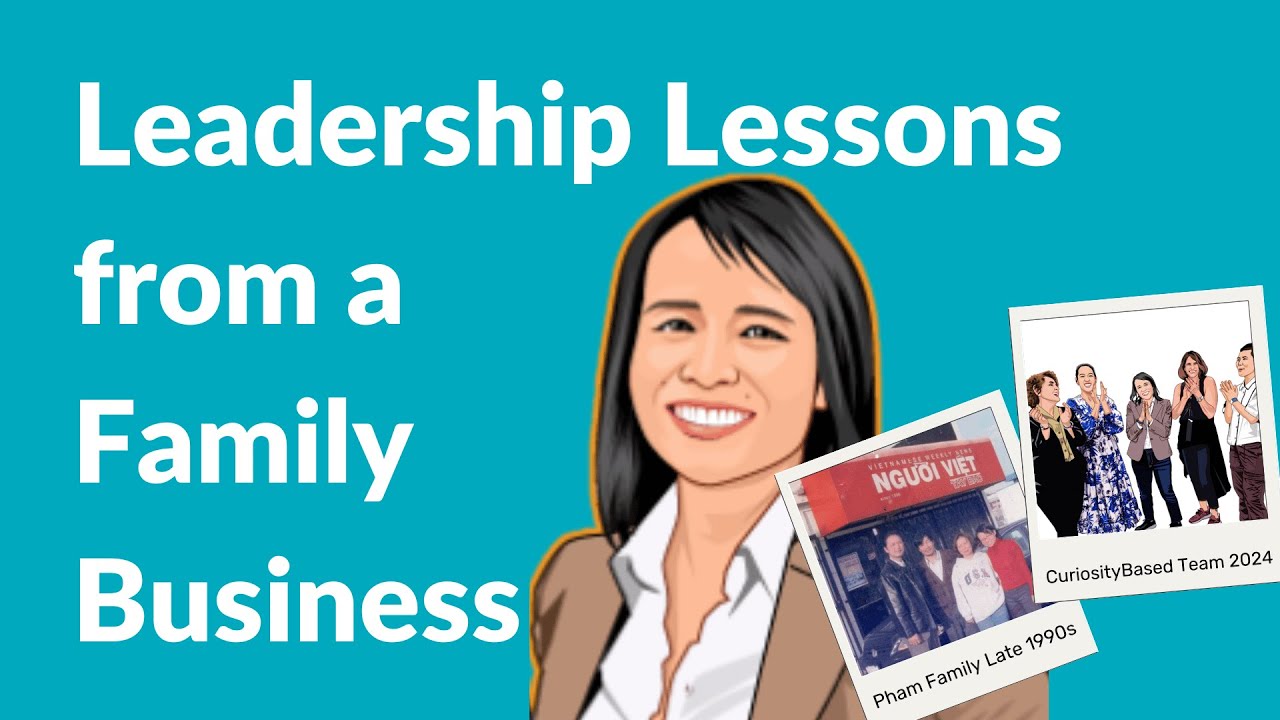
In this video, Dr. Julie Pham shares four leadership lessons she learned from running her family’s Vietnamese language newspaper. These principles have shaped her approach at CuriosityBased, and they can work for any organization, large or small.
1. Prioritize the Collective Over the Individual
In family-owned businesses, owners often make sacrifices for the team, especially during tough times. Unlike large company CEOs, who might avoid salary cuts during layoffs, family business owners ensure the team’s well-being, sometimes at their own expense. Dr. Julie witnessed her parents forgo their salaries to make payroll. Reflect on whether you’d be willing to make similar sacrifices. How would you feel working in a place where the collective is prioritized over the individual?
2. Do Work You Love
Many family business founders blend their passions with their work, often making it a natural part of their daily lives. Dr. Julie frequently discussed community service with her parents over meals. Ask yourself if you’re doing work you love—work that doesn’t feel like a chore, but something you’re passionate about.
3. Give and Expect Loyalty
Loyalty is foundational in family-owned businesses. It fosters trust, stability, and safety within the organization. Supporting each other through challenges and helping underperformers improve is crucial. Loyalty doesn’t mean neglecting performance standards but creating a supportive environment for growth. Do you prioritize giving and receiving loyalty in your workplace?
4. Take Pride in Your Work
Family-owned businesses take immense pride in their work, often seeing it as a part of their identity. It’s concerning when people hesitate to discuss their work outside their field. Consider whether you’re doing work you’re proud of, work you’d happily share with others.
These leadership lessons are not strict rules but guiding principles that can help you foster a strong company culture. If you found this post helpful, please like and share it.
#5 Practicing Curiosity in Hunger Relief with Amythst Shipman
Subscribe Now!
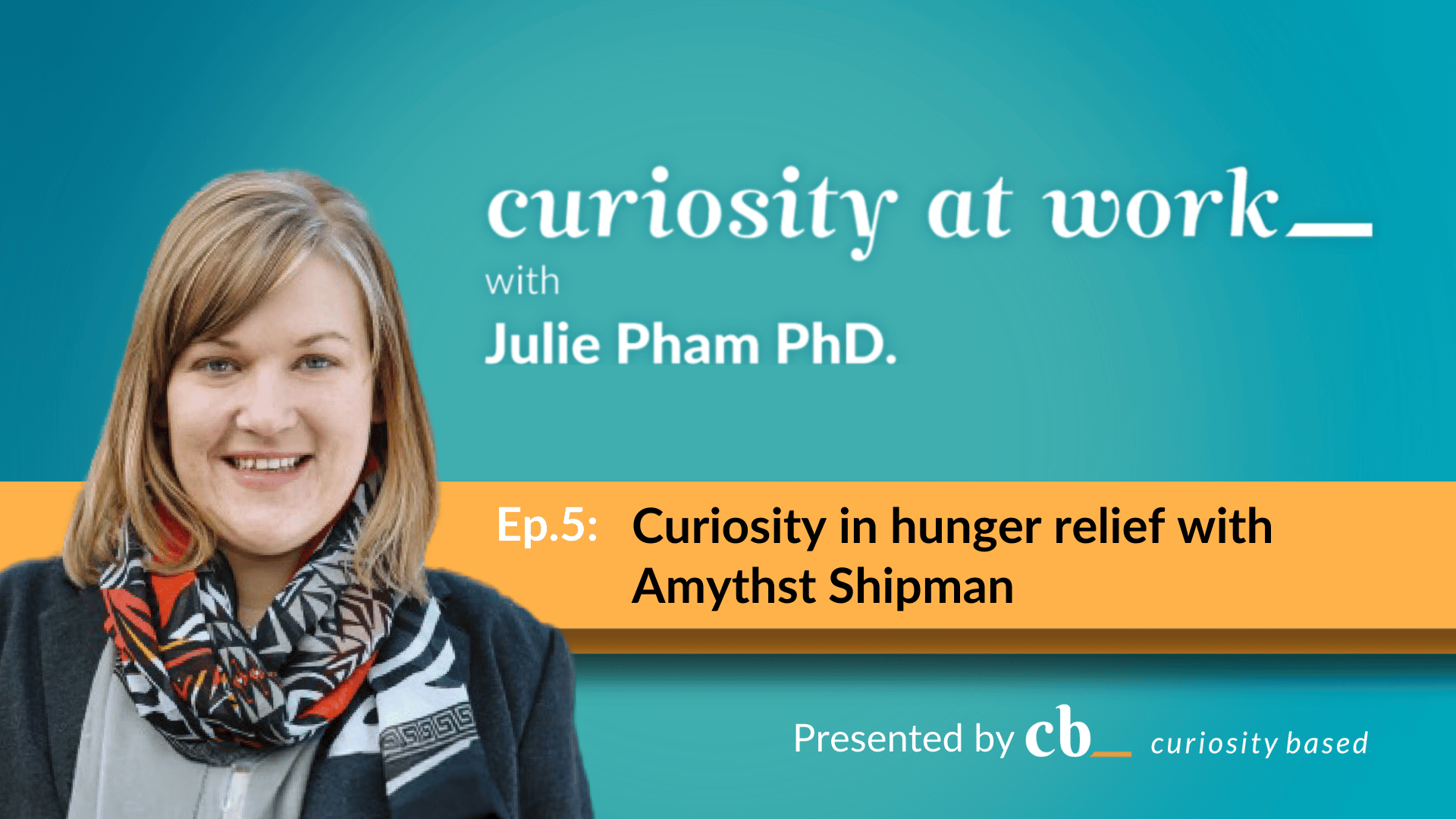
In this episode of Curiosity at Work, Dr. Julie Pham sits down with Amythst Shipman, Director of Project Management at Food Lifeline, Western Washington’s largest hunger relief organization. Amy shares her experiences and insights on how curiosity plays a vital role in their mission to fight hunger.
Learn about the diverse roles within Food Lifeline, from warehouse employees to grant writers, and how they manage a hybrid work environment. Discover the challenges and creativity involved in coordinating a workforce of 120 staff and over 17,000 volunteers annually.
Amy emphasizes the importance of fostering self-awareness, building relationships, and clear communication within the organization. She shares stories of how bringing people along in her learning journey has led to shared insights and improved processes. Listen as she discusses the significance of passion and curiosity in their work, especially during the hiring process.
Explore how Amy navigates the complexities of hunger relief work, balancing immediate needs with long-term goals, and the continuous practice of curiosity. This episode offers valuable lessons for anyone interested in enhancing their workplace culture and leadership approach through curiosity.
#4 Embracing Curiosity and Building Connections with Mikaela Kiner
Subscribe Now!
Curiosity at Work: Mikaela Kiner on Cultivating Curiosity, Self-Awareness, and Clear Communication in the Workplace
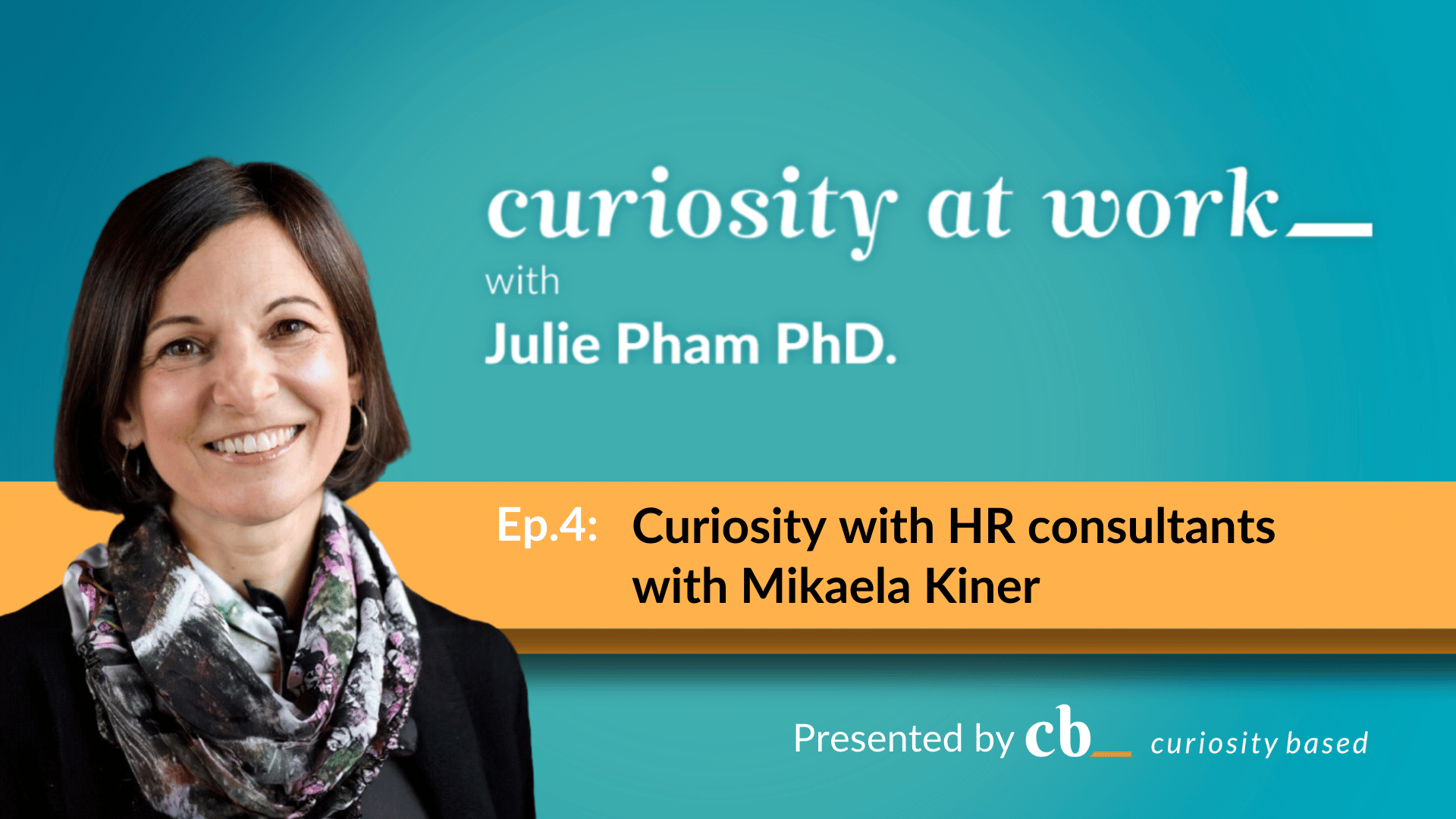
Join Dr. Julie Pham in this episode of Curiosity at Work as she sits down with Mikaela Kiner, founder of Reverb, a people operations consulting firm. With a wealth of experience in HR and entrepreneurship, Mikaela shares key insights on cultivating curiosity, self-awareness, and clear communication in the workplace.
Mikaela Kiner’s Career and the Founding of Reverb
Mikaela discusses her career journey and how she founded Reverb. With a deep background in people operations, she offers a unique perspective on using curiosity to shape workplace culture and leadership practices.
Practical Tips for Giving and Receiving Feedback
Mikaela offers practical tips for giving and receiving feedback, which she believes are essential for self-awareness. She explains how effective feedback enhances communication, helps teams grow, and boosts leadership effectiveness.
Building Relationships in a Hybrid Work Setting
Mikaela explores how to build and maintain strong relationships in a hybrid work environment. She explains how curiosity and clear communication are essential for keeping remote teams connected and engaged.
Creating Psychological Safety for Open Communication
The episode highlights the importance of psychological safety. Mikaela explains how fostering a safe environment allows employees to speak openly, share ideas, and engage in meaningful discussions without fear of judgment.
Leadership Insights from Mikaela’s Remote Work Experience
Mikaela shares her experiences with remote work and how they shape her leadership style. She offers actionable advice for leaders navigating the challenges of hybrid work while maintaining strong team dynamics and high performance.
Actionable Advice for HR Professionals and Leaders
This episode is packed with actionable insights for leaders and HR professionals looking to create a connected and dynamic workplace. Mikaela’s approach to curiosity, feedback, and relationship-building can inspire you to lead with empathy and clarity.
#3 Curiosity for tech startup innovators with Elizabeth Scallon
Subscribe Now!
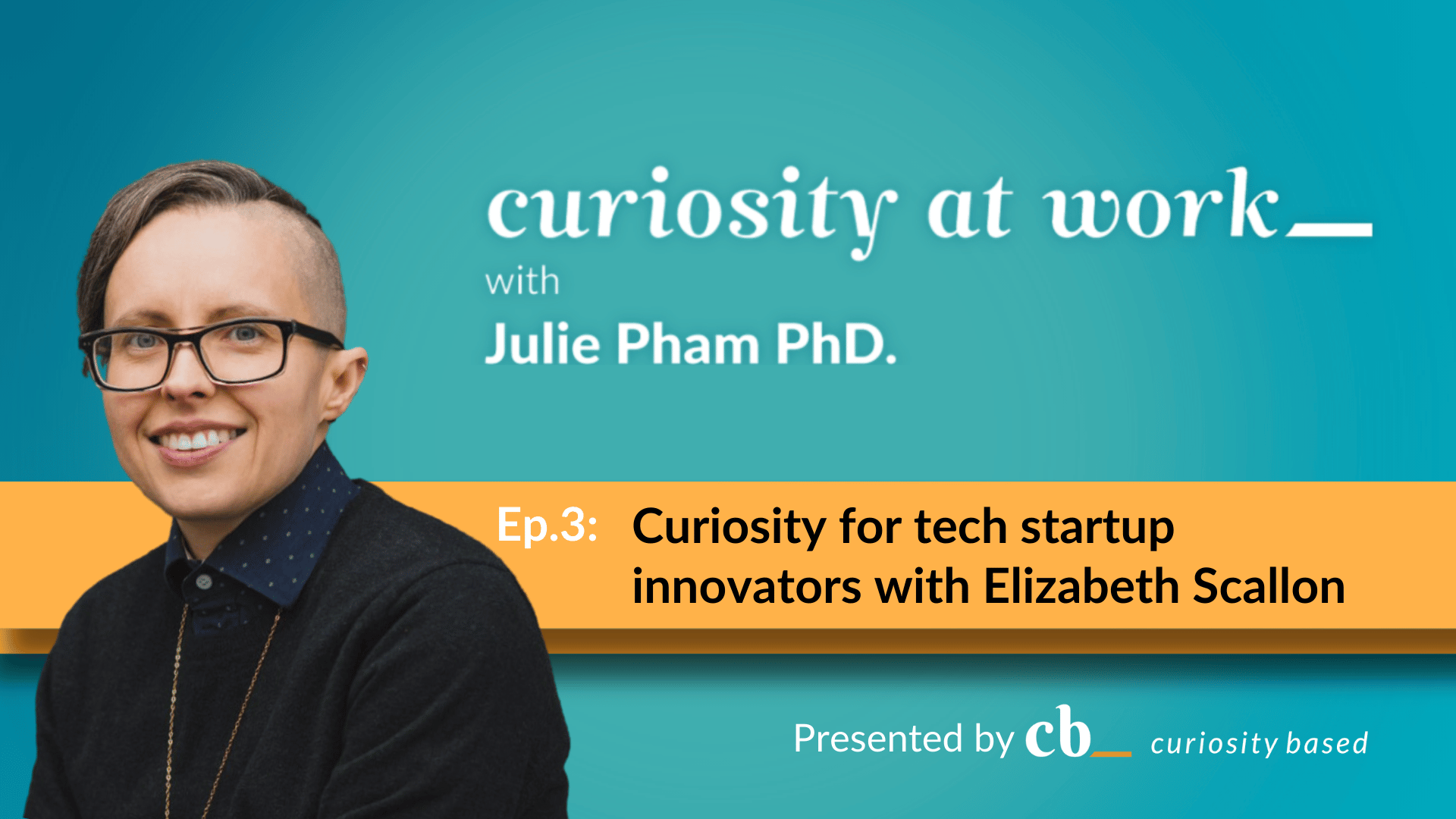
Join Dr. Julie Pham in an enlightening conversation with Elizabeth Scallon, a dynamic leader in the tech world. Elizabeth has an impressive background spanning higher education, startups, industry, and funding. Currently, she holds the title of Director of Corporate Incubation at HP, where she helps bring innovative ideas to life and make a significant impact.
In this episode, Elizabeth discusses her role in fostering curiosity at work, emphasizing the importance of self-awareness, relationship building, and clear communication. She shares her experiences in the tech startup world, the value of early customer feedback, and the challenges of managing expectations.
This episode is packed with valuable lessons on leadership, the role of curiosity in innovation, and the continuous journey of professional growth. Don’t miss this chance to learn from Elizabeth’s wealth of experience and apply her insights to your own work environment.
About Elizabeth Scallon:
Elizabeth Scallon is the Director of Corporate Incubation at HP. With a rich career that includes roles at the University of Washington, Amazon’s corporate venture arm, and WeWork, Elizabeth has a deep understanding of the tech startup ecosystem. She also founded Find Ventures, a nonprofit supporting entrepreneurs from underrepresented backgrounds with early-stage funding.