banner

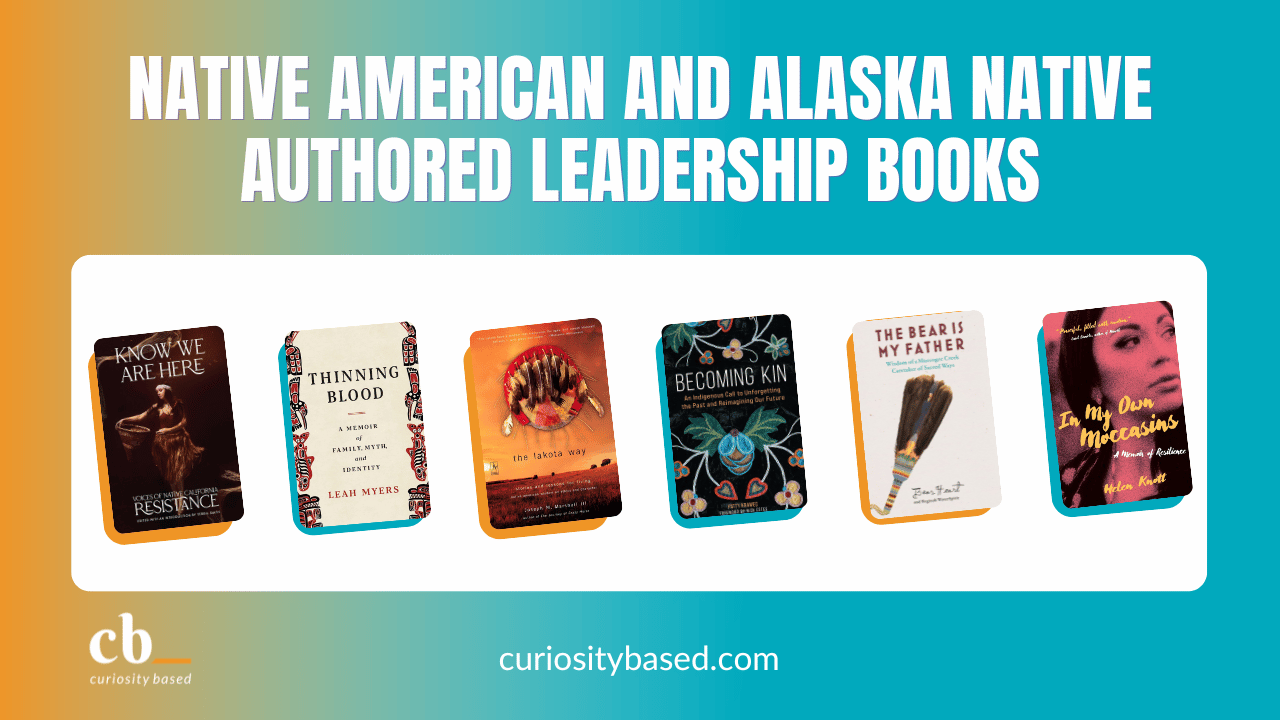
111 Leadership Books Written by Native American and Alaska Native Authors

We created this list of 111 Leadership Books Written by Native American and Alaska Native Authors to promote leadership narratives written by people of Native American and Alaska Native Heritage. This list is meant to be a resource, not an official endorsement. The books are not ranked or listed in any particular order.

  1. You Don’t Have to Say You Love Me by Sherman Alexie
  2. Recovering the Sacred: The power of naming and claiming by Winona LaDuke
  3. Braiding Sweetgrass: indigenous wisdom, scientific knowledge, and the teachings of plants by Robin Wall Kimmerer
  4. The Tao of Raven: An Alaska Native Memoir by Ernestine Hayes
  5. Black Indian: A memoir by Shonda Buchanan
  6. Custer Died for Your Sins: An Indian manifesto by Vine deLoria Jr. 
  7. Where White Men Fear to Tread: The autobiography of Russell Means by Russell Means and Marvin J. Means
  8. Prison Writings: My life is my Sun Dance by Leonard Peltier
  9. The School Days of an Indian Girl, and an Indian Teacher Among Indians by Zitkala-Sa
  10. The Man Made of Words: Essays, stories, passages by N. Scott Momaday
  11. Muscogee Daughter: My sojourn to the Miss America Pageant by Susan Supernaw 
  12. Life of Black Hawk, or Ma-ka-tai-me-she-kia-kiak: Dictated by himself by Black Hawk
  13. Our History Is the Future: Standing Rock Versus the Dakota Access Pipeline, and the Long Tradition of Indigenous Resistance by Nick Estes
  14. Code Talker: The first and only memoir of the original Navajo Code Talkers of WWII by Chester Nez
  15. Abandon Me: Memoirs by Melissa Febos
  16. Heart Berries by Terese Marie Mailhot
  17. As Long As Grass Grows: The Indigenous Fight for Environmental Justice, from Colonization to Standing Rock by Dina Gilio-Whitaker
  18. Crazy Brave: A Memoir by Joy Harjo
  19. Gathering Moss: A Natural and Cultural History of Mosses by Robin Wall Kimmerer
  20. God is Red: A Native View of Religion by Vine deLoria Jr. 
  21. The Heartbeat of Wounded Knee by David Treuer
  22. The Inconvenient Indian: A Curious Account of Native People in North America by Thomas King
  23. Lakota Woman by Mary Brave Bird
  24. #Not Your Princess: Voices of Native American Women by Lisa Charleyboy and Mary Beth Leatherdale (editors)
  25. The Turquoise Ledge by Leslie Silko
  26. Men We Reaped: A Memoir by Jesmyn Ward 
  27. Dwellings: A Spiritual History of the Living World by Linda Hogan
  28. Bad Indians: a Tribal Memoir by Deborah Miranda 
  29. Night Flying Woman: An Ojibway Narrative by Ignatia Broker
  30. Dog Flowers: A Memoir by Danielle Geller
  31. Portage Lake: Memories of an Ojibwe Childhood by Maude Kegg
  32. Everything You Wanted to Know about Indians But Were Afraid to Ask by Anton Treuer
  33. The Assassination of Hole in the Day by Anton Treuer
  34. As We Have Always Done: Indigenous Freedom Through Radical Resistance by Leanne Betasamosake Simpson
  35. Nooping: The Cure for White Ladies by Leanne Betasamosake Simpson
  36. The People and the Word: Reading Native Nonfiction by Robert Warrior
  37. Tribal Secrets: Recovering American Indian Intellectual Traditions by Robert Warrior
  38. Like a Loaded Weapon by Robert A. Williams Jr. 
  39. Bear Island: The War at Sugar Point by Gerald Vizenor
  40. The Third Space of Sovereignty by Kevin Bruyneel
  41. Navajo Courts and Navajo Common Law: A Tradition of Tribal Self-Governance by Raymond D. Austin
  42. Firsting and Lasting: Writing Indians out of Existence in New England by Jean O’Brien
  43. X-Marks by Scott Richard Lyons
  44. Red Skin, White Masks: Rejecting the Colonial Politics of Recognition by Glen Sean Coulthard
  45. The Queerness of Native American Literature by Lisa Tatonetti
  46. Speaking of Indigenout Politics: Conversations with Activists, Scholars, and Tribal Leaders by J. Kehaulani Kauanui and Robert Warrior
  47. Standing with Standing Rock: Voices from the #NoDAPL Movement by Nick Estes and Jaskiran Dhillon
  48. Hungry Listening: Resonant Theory for Indigenous Sound Studies by Dylan Robinson
  49. Written by the Body: Gender Expansiveness and Indigenous Non-Cis Masculinities by Lisa Tatonetti
  50. Remembering Our Intimacies: Mo’olelo, Aloha ‘Aina, and Ea by Jamaica Heolimeleikalani Osario
  51. Everything You Know About Indians is Wrong by Paul Chatt Smith
  52. Red Nation Rising: From Bordertown Violence to Native Liberation by Nick Estes, Melanie K. Yazzi, Jennifer Nez Denetdale, and David Correia
  53. Wiping the War Paint off the Lens: Native American Film and Video by Beverly Singer
  54. The People Shall Continue by Simon Ortiz
  55. Poet Warrior: A Memoir by Joy Harjo
  56. The Four Hills of Life: Ojibwe Wisdom by Thomas Peacock and Marlene Wisuri
  57. The Sacred Hoop: Recovering the Feminine in American Indian Traditions by Paula Gunn Allen
  58. Critically Sovereign: Indigenous Gender, Sexuality, and Feminist Studies by Joanne Barker
  59. For indigenous Eyes only: A Decolonization Handbook by Waziyatawin and Michael Yellow Bird
  60. Mark My Words: Native Women Mapping Our Nations by Mishuana Goeman
  61. The Beginning and End of Race: Confronting Sexual Violence in Native America by Sarah Deer
  62. When My Brother Was an Aztec by Natalie Diaz
  63. A History of my Brief Body by Billy-Ray Belcourt
  64. Starvation Mode by Elissa Washuta
  65. The Roots of Ticasuk by Ticasuk (Emily Ivanoff Brown)
  66. Native American DNA by Kim TallBear
  67. Fresh Banana Leaves: Healing Indigenous Landscapes Through Indigenous Science by Jessica Hernandez, PhD
  68.  Pollution is Colonialism by Max Libioron
  69. Making Love with the Land by Joshua Whitehead
  70. Nulato: An Indian Life on the Yukon by Poldine Carlo
  71. Cold River Spirits: Whispers from a Family’s Forgotten Past by Jan Harper-Haines
  72. Two Old Women: An Alaska Legend of Betrayal, Courage and Survival by Velma Wallis 
  73. Bad Girl and the Man who Followed the Sun by Velma Wallis
  74. Raising Ourselves: A Gwitch’in Coming of Age Story from the Yukon River by Velma Wallis
  75. We Have Not Stopped the Trembling Yet: Letters to my Filipino-Athabascan Family by E.J.R David 
  76. Qulirat Qanemcit-Ilu Kinguvarcimalriit: Stories for Future Generations by Paul John 
  77. Yuuyaraq: The Way of the Human Being by Harold Napoleon
  78. A Yupiaq Worldview: A Pathway to Ecology and Spirit by Anagyuqaq Kawagley
  79. Qanruyuteput IInruugut: Our Teachings Are Medicine by Alice Rearden
  80. Yupiit Qanruyutait: Yup’ik Words of Wisdom by Ann Fienup-Riordan
  81. Rock Piles Along the Eddy by Ishmael Hope
  82. Blonde Indian: An Alaska Native Memoir by Ernestine Hayes 
  83. Indian Stories: Ahtna India Stories from Cantwell, Alaska by Jake Tansy
  84. Cormorant Hunter’s Wife by Joan Naviyuk Kane
  85. Roughly for the North by Carrie Ayagduk Ojanen
  86. People of Kauwerak: Legends of the Northern Eskimo by William A. Oquilluk
  87. Takes of Ticasuk: Eskimo Legends and Stories by Ticasuk Emily Ivanoff Brown
  88. Fifty Miles from Tomorrow: A Memoir of Alaska and the Real People by William Iggiagruk Hensley
  89. Sand Talk: How Indigenous Thinking Can Save the World by Tyson Yunkaporta
  90. Red Paint: The Ancestral Autobiography of a Coast Salish Punk by Sasha Lapointe
  91. Black and Blue: A Memoir of Racism and Resilience by Veronica Gorrie
  92. Spílexm: A Weaving of Recovery, Resilience, and Resurgence by Nicola I. Campbell 
  93. Peyakow: Reclaiming Cree Dignity by Darrel McLeod
  94. White Magic by Elissa Washuta 
  95. An Indian Among Los Indígenas: A Native Travel Memoir by Ursula Pike 
  96. Carry: A Memoir of Survival on Stolen Land by Toni Jensen
  97. A Mind Spread Out on the Ground by Alicia Elliott 
  98. Project 562: Changing the Way We See Native America by Matika Wilbur
  99. Know We Are Here: Voices of Native California Resistance by Terria Smith
  100. Think Indigenous: Native American Spirituality for a Modern World by Doug Good Feather
  101. Girlhood by Melissa Febos
  102. The Rediscovery of America by Ned Blackhawk
  103. Seeing Red: Indigenous Land, American Expansion, and the Political Economy of Plunder in North America by Michael John Witgen
  104. Thinning Blood by Leah Myers
  105. Walking the Ojibwe Path by Richard Wagamese
  106. Indigenous Memory, Urban Reality by Michelle R. Jacobs
  107. Starvation Mode by Elissa Washuta
  108. The Lakota Way: Stories and Lessons for Living by Joseph Marshall III
  109. Becoming Kin: An Indigenous Call to Unforgetting the Past and Reimagining Our Future by Patty Krawec
  110. The Bear is My Father: Indigenous Wisdom of a Muscogee Creek Caretaker of Sacred Ways by Bear Heart & Reginah WaterSpirit
  111. In My Own Moccasins: A Memoir of Resilience by Helen Knott
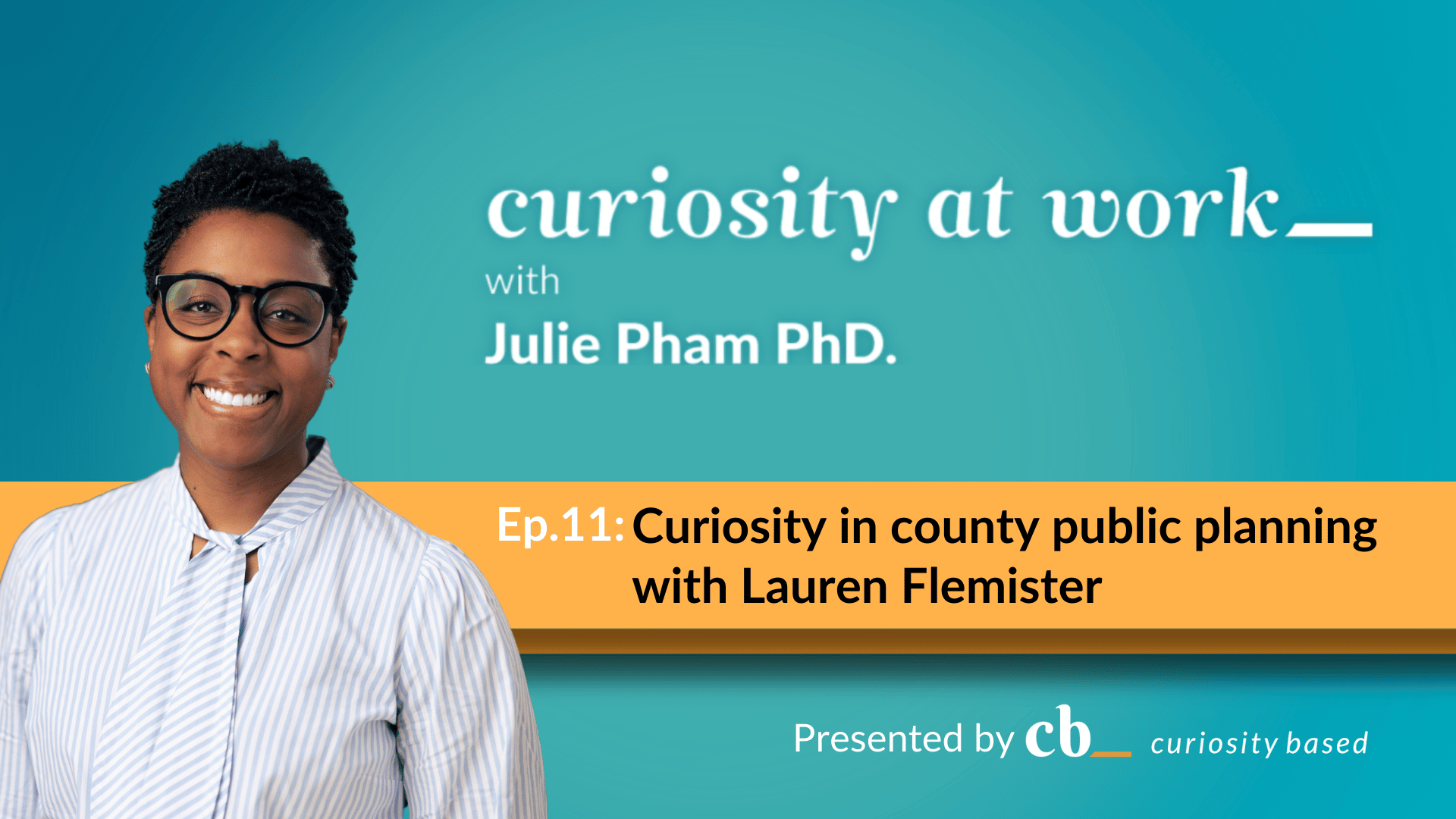
#11 Cultivating Curiosity in Public Planning with Lauren Flemister

Subscribe Now!

Apple PodcastsSpotifyPodbeanAmazon MusiciHeartRadio

Curiosity at Work: Lauren Flemister on Leadership, Strategic Planning, and Community Development

Lauren Flemister, Assistant Director of Planning and Public Works at Pierce County, brings over 17 years of experience in community and regional planning, architecture, and public affairs. She has held leadership roles in the City of Tacoma’s Planning and Development Services Department and the City of Seattle’s Office of Planning and Community Development. In this episode of Curiosity at Work, Lauren shares insights into how curiosity can transform complex work environments and drive effective leadership.

Fostering Curiosity in Complex Work Environments

Lauren believes that curiosity is essential for organizations to adapt and thrive in a rapidly changing world. One of her key approaches is fostering a workplace culture where employees feel safe to ask questions and challenge traditional thinking. By encouraging this kind of curiosity, Lauren ensures her team is equipped to solve problems creatively and effectively.

Bridging Long-Range Planning with Infrastructure Development

In her role at Pierce County, Lauren oversees a diverse range of operations, including road maintenance, airports, and solid waste management. She emphasizes the importance of bridging long-range planning with infrastructure development to create lasting impact. A key focus of her work is ensuring that underserved communities receive the attention and resources they need to thrive. Lauren integrates strategic planning with implementation to make this vision a reality.

Creating a Culture of Continuous Learning and Growth

Lauren’s leadership style is shaped by her background in architecture, urban planning, and public affairs. She views herself as a bridge-builder within the organization, fostering collaboration and innovation. Lauren encourages her team to view obstacles as opportunities for learning and growth, which is especially important as the workforce faces a wave of retirements, known as the “silver tsunami.” By supporting staff development and facilitating seamless knowledge transfer, Lauren ensures that curiosity continues to fuel progress in the workplace.

Strengthening Communities Through Leadership and Curiosity

Lauren’s leadership philosophy is rooted in the belief that curiosity not only enhances individual growth but also strengthens communities. By fostering a culture of curiosity and continuous learning, she inspires her team to tackle challenges and drive positive change for Pierce County and beyond.

Connect with Dr. Julie Pham:

Connect with Lauren Flemister:

#LaurenFlemister #PublicPlanning #UrbanPlanning #PierceCounty #CuriosityAtWork #CommunityDevelopment #Leadership #GovernmentLeadership #InfrastructurePlanning #PodcastInterview #StrategicPlanning #ProfessionalGrowth #LeadershipInsights #CommunityPlanning #PublicWorksManagement #GovernmentAffairs

Low-Budget Ways to Spark Creativity and Learning

Are you looking to boost your creativity without breaking the bank? You don’t need to spend a lot of money to learn new things. Here are five low-budget ways to spark creativity, immerse yourself in new experiences and open up to learning from life.

1. Ride the Local Bus

Take a local bus ride. This costs only a few dollars. The purpose here isn’t just transportation, it’s about touring your own city. Pay attention to the different stops and the passengers you encounter. Choose a local bus with many stops instead of an express bus. If you have extra time, consider taking three different buses from end to end across three major transit centers. This way, you can start and stop in the same place while exploring three distinct regions in your area.

2. Get Creative with Arts and Crafts

You don’t need to visit an expensive arts and crafts store. Instead, head to a thrift shop and see what treasures you can find. Based on what you discover, create something unique with the materials available to you.

3. Visit a Museum

Check out local museums that offer “pay what you can” days or even free admission. If you can, invest a few extra dollars in an audio tour. You’ll gain so much more insight than what’s simply available on the walls.

4. Experiment with Cooking

Try cooking a classic dish in different ways. This will only cost you the price of basic ingredients. Even if you’re not a great cook – that’s okay! The goal is to explore different methods for preparing one dish. For example, make fried rice and experiment with three, four, or even five different recipes. You can use recipes or just create your own variations.

5. Play Tourist in Your Own City

Put yourself in the mindset of a tourist and explore your own city. This fresh perspective can lead to new discoveries. Check out our other video on how to be a tourist on a low budget in your own area for more ideas.

We hope these low-budget activities help spark your creativity and inspire you to learn! If you found this video useful, please give it a like and share it!

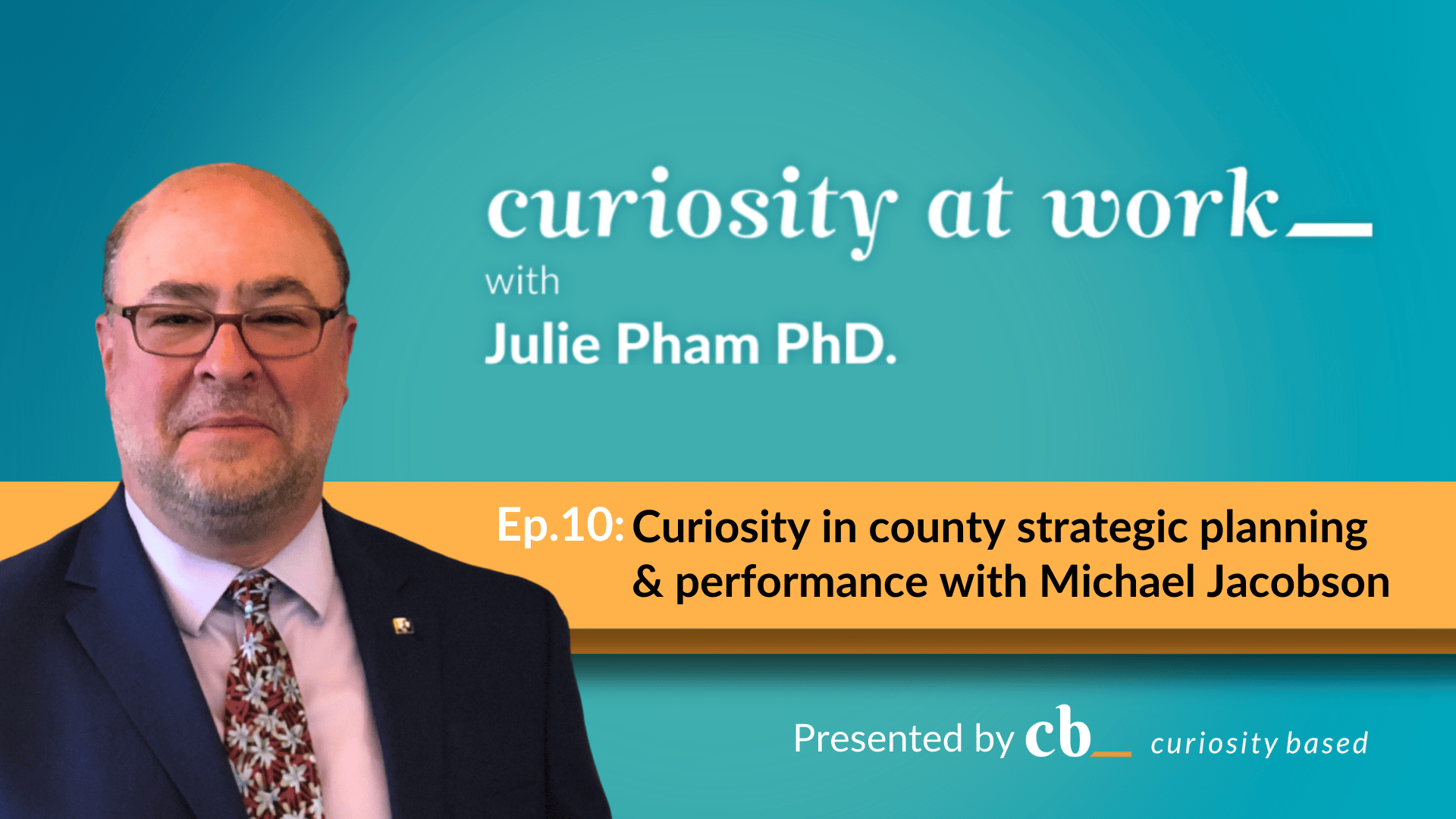
#10 Curiosity and Leadership: Michael Jacobson, Deputy Director at King County

Subscribe Now!

Apple PodcastsSpotifyPodbeanAmazon MusiciHeartRadio

Curiosity at Work: Michael Jacobson on Leadership, Performance Management, and Equity in the Public Sector

In this episode of the Curiosity at Work podcast, Dr. Julie Pham sits down with Michael Jacobson, an award-winning leader in organizational performance management and Deputy Director at King County’s Office of Performance, Strategy, and Budget. Michael shares insights from his extensive work establishing King County’s performance management systems, including the creation of the first countywide strategic plan and public performance reporting.

Balancing Strategic Planning and Managing Complex Teams

Michael discusses the complexities of his role and the challenges of balancing strategic planning with managing diverse teams. These teams work on key issues such as criminal legal system reform, homelessness, and community grants. He highlights how practicing curiosity has shaped his approach to leadership, particularly in navigating these complex issues.

Fostering Curiosity in Bureaucratic Systems

A key theme in the conversation is Michael’s emphasis on the importance of creating a work environment where team members feel safe to express curiosity, even within a bureaucratic system filled with rules and limitations. He shares anecdotal experiences, like building relationships through informal lunches with colleagues, that illustrate how fostering curiosity and authentic connections can lead to positive results within large, complex organizations.

Leading with Curiosity and Purpose in the Public Sector

Michael also provides candid thoughts on navigating hierarchy, politics, and equity in government work. He offers a nuanced view of what it takes to lead with curiosity and purpose in the public sector. His experiences reflect how curiosity can overcome challenges and drive positive change, even in the most structured environments.

Michael’s Insights on Equity and Social Justice

The episode also touches on Michael’s unique perspectives on equity and social justice. He discusses his work with the Interbranch Equity Team and his efforts to incorporate equity analysis into performance measurement. Additionally, Michael reflects on the role of historical markers and public narratives, challenging listeners to consider who gets to tell these stories and how they evolve over time.

Valuable Lessons for Public Service and Leadership

This thought-provoking conversation offers valuable lessons for anyone interested in public service, organizational leadership, or cultivating curiosity in a structured environment. Michael’s insights provide a powerful example of how curiosity can drive meaningful change in the public sector and beyond.

Connect with Dr. Julie Pham:

Connect with Michael Jacobson:

#CuriosityAtWork #Leadership #PerformanceManagement #PublicService #EquityAndSocialJustice #MichaelJacobson #OrganizationalStrategy #Podcast #GovernmentLeadership

Explore Your City as a Tourist — For Free!

Do you want to explore your city like a tourist without spending a dime? Maybe you’re looking for new experiences, preparing for a staycation, or entertaining an out-of-town visitor. Whatever your reason, we’ve got some great tips to explore your city as a tourist — for free!

Here are some ways to get you on your way to explore your city as a tourist — for free!

1. Check a Guidebook

Start by consulting a guidebook like Lonely Planet. These books often list activities, including both paid and free options. For example, in Seattle, there’s the Fremont Troll, a popular sight located right under a freeway ramp.

2. Visit Local Parks Department Websites

Check the websites of your local parks department. They usually have information about the different parks in the city. You can also visit local chambers of commerce or convention center websites, which often have event calendars listing free community events.

3. Read the Local Newspaper

Look through the activities section of your local newspaper. They frequently list upcoming events, including those that are free to attend.

4. Visit Galleries on First Thursdays

Many art galleries offer free admission on the first Thursday of each month. This is a great way to experience local art without spending any money.

5. Explore University Campuses

Visit a local university campus. They often have exhibits that showcase the university’s history, which is often tied to the city’s history as well.

6. Discover Chinatown or Ethnic Enclaves

If your city has a Chinatown or other ethnic enclaves, be sure to visit. You can immerse yourself in rich cultural experiences just by wandering through the neighborhood.

7. Tour the Main Library

Don’t forget to visit your city’s main library. The architecture itself often tells a story about the city, and many libraries have free exhibit spaces that you can explore.

We hope these tips help you play tourist in your own city for free! If you found this video useful, please give it a like and share it!

Mastering Delegation: How Leaders Can Manage Their Energy by Letting Go

Many leaders often feel overwhelmed and overworked because they struggle to delegate effectively. One way to ensure optimal energy levels is by identifying which parts of your work drain your energy and which ones boost it. This awareness allows for thoughtful delegation. Here Dr. Julie Pham shares three tips on how leaders can master delegation and manage energy by letting go.

 Three tips to help you master delegation:

1. Ask Your Team About Their Preferences

Start by asking your team members which parts of the work they enjoy and which tasks drain their energy. This insight allows you to redistribute tasks accordingly. For instance, some people dislike internet research, finding it very draining. However, you may discover that some team members actually enjoy it, allowing for a more effective distribution of work.

2. Frame Energy-Draining Tasks as Leadership Opportunities

When faced with tasks that are particularly draining, try framing them as opportunities for leadership. Invite team members to volunteer for these tasks by highlighting the benefits. For example, while Dr. Julie doesn’t enjoy event planning, she recognizes it as a valuable skill. She offers it up by saying, “Who wants to plan this major upcoming event?” This approach encourages learning and growth within the organization.

3. Rotate Responsibilities

For tasks that everyone finds draining, consider rotating responsibilities among team members. This ensures that no single person is burdened with the task. For example, rotating the role of note-taker during meetings can help share the workload.

As a leader, it might be tempting to shield your team from energy-draining work by taking it on yourself. However, this isn’t the best use of your time or energy.

We hope you found these tips useful in your leadership journey. If you did, please click like and share this video!

Effective Presentation Tips for TEDx Success

Before delivering her first TEDx talk on curiosity as a practice, Dr. Julie Pham spent over ten weeks drafting around 30 different versions and practicing with more than 70 people. This post will help you learn some of Dr. Julie’s effective presentation tips for TEDx success. Let’s dive into her insights!

Effective Presentation Tips for TEDx Success

Getting Feedback

  1. Know What Kind of Feedback You Want
    Determine whether you want general feedback, content feedback, or delivery feedback. This clarity helps you ask for what you need. For example, if you’re in the early stages of writing, you might say, “Please focus on my content, not my delivery.” Once you finalize your speech, you can shift to asking for delivery feedback.
  2. Practice as Much as Possible
    The more you practice, the more comfortable you’ll feel. Many people watch TEDx talks and believe they’ll never give one. They often feel honored when you ask them to listen to your practice sessions. Sometimes, you can casually run your talk by a friend over the phone.
  3. Organize Rehearsal Sessions
    Schedule rehearsal sessions, whether in-person or virtual. Dr. Julie conducted four virtual rehearsals and provided feedback surveys to participants. This approach gathered a lot of feedback at once and made people feel involved in the process.

Content Development

  1. Stick to One Message
    While you may have many ideas, focus on sharing just one key idea in your talk. Remember, you can share other ideas in different contexts later.
  2. Create a Visual Model
    Abstract concepts can be challenging to grasp in a short timeframe. Develop a visual model to clarify your message. Dr. Julie used a model representing the gap between expectations and reality, which was illustrated in her slides.
  3. Cite Your Own Evidence
    Instead of filling your talk with third-party research, rely on your own experiences and evidence first. This personal touch can make your message more authentic.
  4. Use Your Own Words
    Avoid quoting others unless their words perfectly express what you want to convey. Use your own language confidently—this is your talk.

Delivery

  1. Memorize the Talk
    While memorizing can be challenging, internalizing your message boosts your confidence on stage. Strive to deliver your talk from memory.
  2. Don’t Move and Talk at the Same Time
    This can be distracting, so practice separating movement from speaking. If you need to move, do so first, then stop and deliver your message.
  3. Use Your Body to Illustrate Your Point
    Consider how to use body language to enhance your message. In her talk, Dr. Julie moved her body to illustrate the gap between expectations and reality.

We hope these ten TEDx tips will help you improve your public speaking and presentation skills. Let us know how it goes!

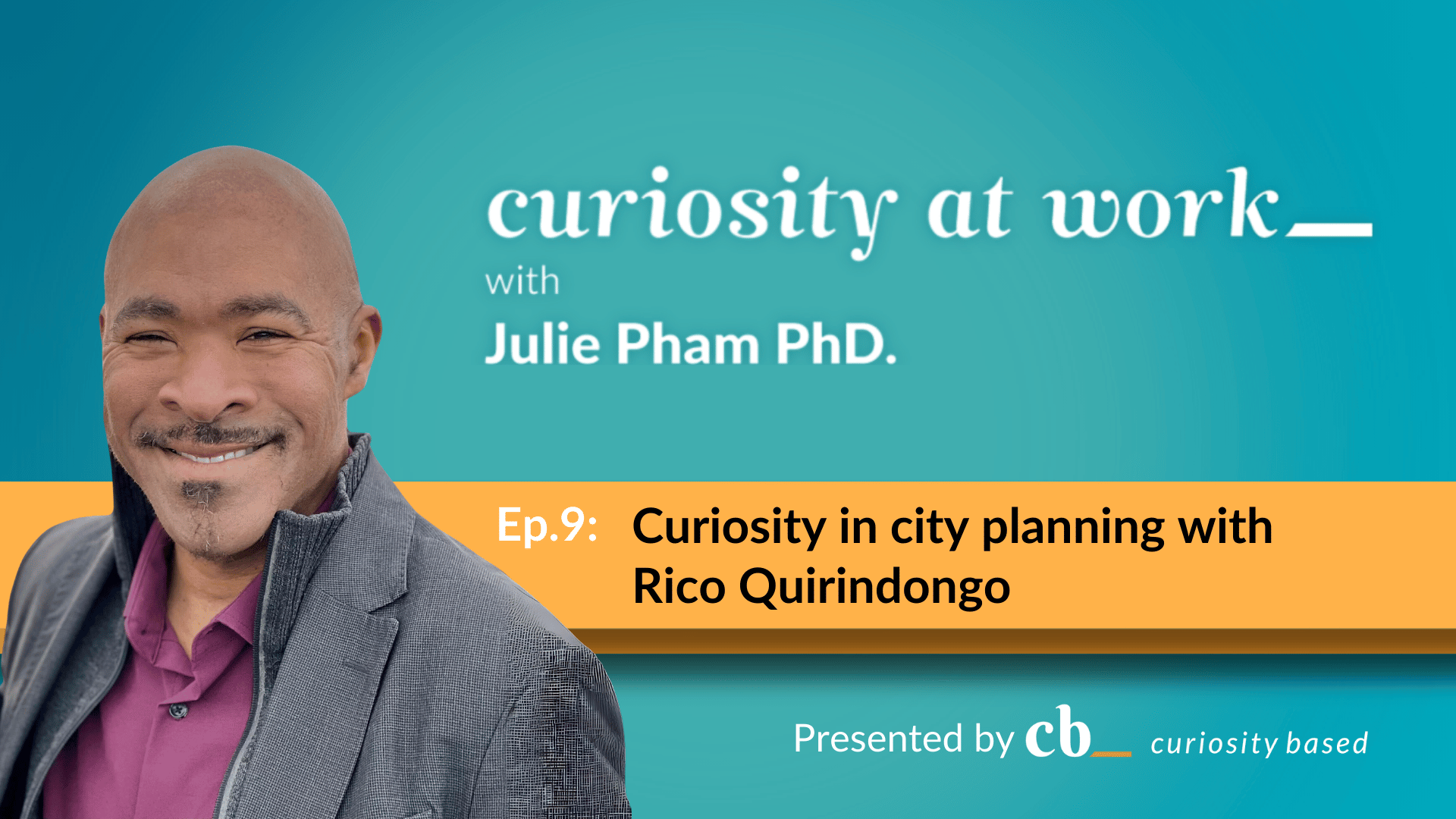
#9 How Curiosity Drives Seattle’s Future: A Conversation with Rico Quirindongo on City Planning and Innovation

Subscribe Now!

Apple PodcastsSpotifyPodbeanAmazon MusiciHeartRadio

In the latest episode of Curiosity at Work, host Dr. Julie Pham welcomes Rico Quirindongo, the Director of the Office of Planning and Community Development (OPCD) for the City of Seattle. Together, they dive into how curiosity shapes the workplace and the dynamic role it plays in city planning. Rico shares insights into the structure of his office, which comprises 50 people, including planners and finance experts, working across divisions like equitable development and land-use policy. Their mission is to shape the future of Seattle in a way that balances sustainability, community needs, and growth.

Rico discusses the challenges and rewards of balancing curiosity with the pragmatism required in the political landscape. As a department heavily scrutinized by both local and international audiences, OPCD constantly navigates the tension between innovative problem-solving and meeting public expectations. He also touches on how the team works both remotely and in-person to foster collaboration, while keeping an eye on their goal of shaping Seattle into a livable, thriving city.

The episode highlights some of the critical projects undertaken by OPCD, such as working with different stakeholders to explore innovative solutions for transit hubs. Rico illustrates the complexity of these projects, where multiple stakeholders, timelines, and budgetary constraints must align. Despite the challenges, he emphasizes that curiosity remains a vital tool for navigating the intricacies of city development, even when political pressures demand concrete results.

Connect with Dr. Julie Pham:

Connect with Rico Quirindongo:

What to Do When You Are Out of Ideas

Everyone faces mental blocks, no matter what work they do. Sometimes, you need to reignite your creativity. Dr. Julie Pham shares valuable tips for what to do when you are out of ideas to overcome these mental blocks, find inspiration from new sources, and break away from routine thinking. 

8 Tips to Spark Creativity When You’re Out of Ideas

1. Say Yes

Start by saying yes to something you would typically decline. Dr. Julie recalls receiving an invitation to visit a prison, which initially seemed odd to her. However, since she was struggling with writer’s block, she agreed. The experience transformed her thinking, and she left with a wealth of ideas to write about.

2. Visit a Different Museum

Try going to a museum you wouldn’t usually visit. If you typically go to art museums, check out a history museum instead. For example, if marine life doesn’t interest you, visiting a marine museum might inspire new ideas.

3. Keep Your Phone Off

You might be surprised how much your phone can hinder creativity. Dr. Julie dedicated a week to writing while keeping her phone off during the day. She didn’t turn it on until she finished writing, and by the end of the week, she had written 25,000 words!

4. Set a Goal for New Observations

When attending an event, set a goal to notice a specific number of new things. For instance, while on a walk, challenge yourself to notice ten new things. Recently, Dr. Julie discovered a cluster of white mailboxes on her street and a few houses down, another cluster of black mailboxes. This made her wonder why that was the case.

5. Take a Nap

Sometimes, all you need is some sleep to recharge your brain. Dr. Julie often gets great ideas when waking from a refreshing nap.

6. Re-read Your Favorite Book

Consider reading a book you love again. Afterward, write down everything you like about it and also note any things you don’t like.

7. Reconnect with an Old Friend

Talk to a friend you haven’t seen or spoken to in a long time, preferably over a year. They might provide you with fresh perspectives.

8. Try a Different Format

Finally, express yourself in a format different from what you usually use. If you’re a writer, try giving a speech. If you’re a musician, consider doodling.

We hope these strategies help you come up with fresh ideas when you hit a mental block. If you found this useful, please click “like” and share it! 

5 Simple Ways to Build Strong Relationships at Work

Building strong relationships at work is essential for creating a positive environment and enhancing collaboration. Whether you’re new to your workplace or looking to deepen existing connections, Dr. Julie Pham shares these 5 simple ways to build strong relationships at work that will help foster a supportive and productive work atmosphere. These strategies are effective regardless of your role in the organization—whether you’re a leader, manager, or a team member.

5 Simple Ways to Build Strong Relationships at Work

1. Make Time for Connection

To strengthen your relationships, prioritize making time for connection. Ask open-ended questions instead of closed ones. For example, instead of asking, “How was your weekend?” you could ask, “What did you do over the weekend?” This encourages your colleagues to share specific experiences, fostering a more engaging conversation. For more tips on effective communication, check out our video on five proven icebreakers for team building.

2. Celebrate the Wins

It’s easy to get caught up in the daily grind, but don’t forget to celebrate your wins. Take the time to congratulate and acknowledge your colleagues for a job well done. Be specific in your praise, as this makes your acknowledgment more meaningful.

3. Ask for Help

Don’t hesitate to ask for help, especially from those who aren’t obligated to assist you. This can increase opportunities for collaboration and shows that you are willing to be vulnerable. It can be difficult to ask for help, but doing so can strengthen your relationships. For additional insights, check out our video on reframing asking for help as a way to deepen relationships.

4. Share What Influences You

Whenever relevant, share what influences your approach to work. For instance, you might say, “I grew up in an immigrant household where wasting resources was discouraged.” This context can help your team understand your perspective, especially during discussions like budgeting season.

5. Give Constructive Feedback

While it may seem counterintuitive, giving constructive feedback can actually strengthen relationships. When delivered with the intention of improvement, feedback shows that you care about your colleagues and want everyone to succeed.

We hope you find these tips helpful in building stronger relationships at work. If you did, please click like and share this post!

5 Budget-Friendly Gift-Giving Ideas at Work

Drawing from her experience running her family’s newspaper during the Great Recession, to managing her own small business with a remote team, Dr. Julie Pham knows how to make the most of limited resources. Here she shares 5 budget-friendly gift-giving ideas at work. 

The spirit of gift-giving during the holiday season is all about demonstrating appreciation for employees’ hard work. Gifts can also strategically reinforce company culture and values, foster a sense of belonging, encourage curiosity, and facilitate sharing.

However, for many small business owners, company-branded swag, big bonuses, and fully catered meals are often out of reach. If you have a limited budget, here are 5 budget-friendly gift-giving ideas at work to support your team, regardless of its size.

5 Budget-Friendly Gift-Giving Ideas at Work

1. Make Time for Intentional Connection

Set aside time during the workweek for team members to connect. This is particularly effective for remote teams or as an alternative to an in-person holiday party. Consider sending gift cards so everyone can grab something to eat or drink during this time together. A simple 60-minute virtual session with breakout rooms can prompt deep discussions and meaningful connections.

2. Host a Potluck

If you prefer an in-person meal, organize a potluck. Sponsor the drinks and the main dish, and ask everyone else to contribute other items based on their budget. This not only showcases culinary skills but also sparks conversations around the dishes brought. Be sure to welcome store-bought contributions as well.

3. Organize a Stuff Swap

Instead of Secret Santa or White Elephant exchanges, which require employees to spend their own money, consider a stuff swap. Employees can bring new or gently used items that their coworkers might enjoy. Any unclaimed items can be donated to charity, making it a great green gift-giving strategy.

4. Donate to Charity

Make a donation to a charity of each employee’s choice. Instead of providing a list of charities, allow them to decide where their dollar goes. This can be any amount, as every contribution is meaningful. Encourage employees to share their chosen charity, helping you learn what matters to them, whether it’s the Humane Society, their temple, or their children’s PTSA.

5. Use Credit Card Points for Gifts

Utilize your credit card points to purchase gift cards. This method can reinforce company values. For instance, Dr. Julie uses her points to give Amazon gift cards, allowing team members to support something they want to try out or learn. One team member even used hers to buy calligraphy materials for practicing lettering.

6. Ask Your Team for Ideas

Don’t feel you have to come up with all the solutions alone. Share your budget with your team and ask for their input. When Dr. Julie did this, one team member suggested organizing a virtual escape room and took care of the research and booking.

We hope you find these simple, budget-friendly work gift ideas helpful. If you did, please click like and share this video!

#8 How do you lead with curiosity in a fast-growing nonprofit?

Subscribe Now!

Apple PodcastsSpotifyPodbeanAmazon MusiciHeartRadio

In this episode of Curiosity at Work, Dr. Julie Pham chats with Joe Sky-Tucker, CEO of Business Impact Northwest, to explore how curiosity shapes leadership and culture in the nonprofit world. Joe shares stories from his journey—moving from a micromanager to a leader who deeply listens to his team and finds creative ways to say “yes” whenever possible.

Joe talks about the power of promoting from within, trusting people to step into leadership roles, and why it’s important to admit when we don’t have all the answers. Julie and Joe also dive into the challenges of maintaining curiosity when everyone is swamped with deadlines and how finding time to pause and reflect can make all the difference.

If you’re interested in creating a workplace where everyone feels seen, heard, and valued, you’ll want to listen in. This conversation is full of practical advice and real talk on how to lead with empathy, especially when things get tough.

Listen to this episode and let us know in the comments: How do you keep curiosity alive in your work? Don’t forget to like, subscribe, and share with anyone who could use a dose of inspiration.

Connect with Dr. Julie Pham:

Connect with Joe Sky-Tucker

Produced by TitanMediaWorx.com.

#Leadership #CuriosityAtWork #NonprofitLeadership #EmpathyInLeadership #WorkplaceCulture #LearningOrganizations #Podcast #Curiosity