Julie Pham onBusiness. Wealth. Impact.: Curiosity as a Practice
What if the golden rule isn’t enough? In Episode 228 of Business. Wealth. Impact. podcast, “Curiosity as a Practice – Rethinking Respect in the Workplace,” CuriosityBased founder and CEO Dr. Julie Pham joins host Jeanne Omlor to explore how treating curiosity as a daily practice can change the way we communicate and lead.
Julie draws on her bicultural upbringing and global research, and on her book 7 Forms of Respect® to explain why leaders need to move beyond “treat others as you want to be treated.” People give and receive respect in different ways, and recognizing those differences is where better working relationships begin.
She also shares a practical tool for difficult moments: slow down and use the power of the pause when entering a heated conversation.
Key themes: Curiosity as a daily practice · Rethinking respect in the workplace · Moving beyond the golden rule · The power of the pause · The 7 Forms of Respect®
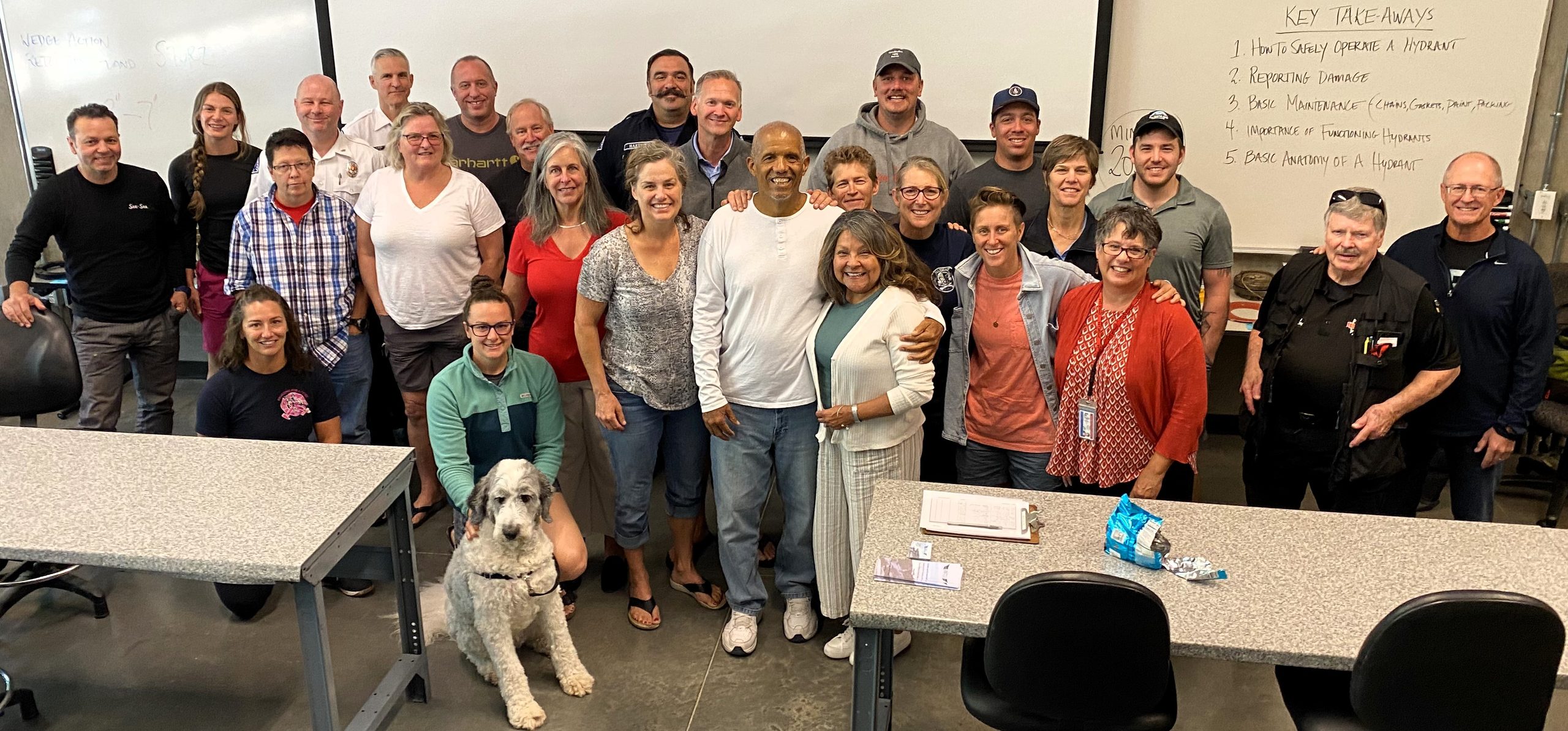
Members of the Seattle Fire Department’s Peer Support Team gathered for training.
Today is Election Day in the US, which means we’ve been listening to candidates point out all the things that are wrong with our government and how they will make it better. Amid all the criticism, we may find ourselves taking for granted the well-functioning public services we do have.
Our local fire departments are a great example. Last year, the Seattle Fire Department answered almost 300 calls for service each day. I’ve had to call them three times myself to report small, manmade fires I’ve seen on side streets while walking in my neighborhood. They’ve always responded right away.
I just learned from the Seattle Fire Foundation how important mental health support is for fire fighters. In responding to a crisis, they absorb a lot of emotional trauma. As first responders, they are not just fighting fires. They deal with emergencies involving violence, substance use, mental health crises, and other situations where people need immediate help.
So how do they do this? Through “peer support groups,” which Seattle Fire has used since 1995. The Peer Support Team provides firefighters with confidential support from trained peers who understand the emotional demands of the job. They don’t just have to talk about work either. The peer support groups are places for them to talk about tough things they are going through personally.
Peer support can be helpful for many different lines of work, especially those where people often have difficult interactions and where they feel powerless. I find this to be especially true when I talk to CuriosityBased’s public sector and nonprofit clients. People burn out when they have no outlet to express their emotions with their colleagues, who are the only other people who can truly empathize. For fire fighting, which has its own unique needs, trained facilitators are necessary. For most of us, it could just be, “How are you experiencing what just happened with …?”
Peer support applies outside of work too. According to the 2025 Social Connection in America Report, 44% of respondents said they “sometimes/rarely/never” get “social and emotional support” when they need it. To ensure I do set aside time for mutual support, I have some regularly scheduled monthly and quarterly meetings with different friend groups and we also get on phone calls as needed.
Do you have something like “peer support groups” at work? In your personal life? If you’re a team leader, do you provide a way for colleagues to support each other?