banner

How Guinness World Records stayed relevant

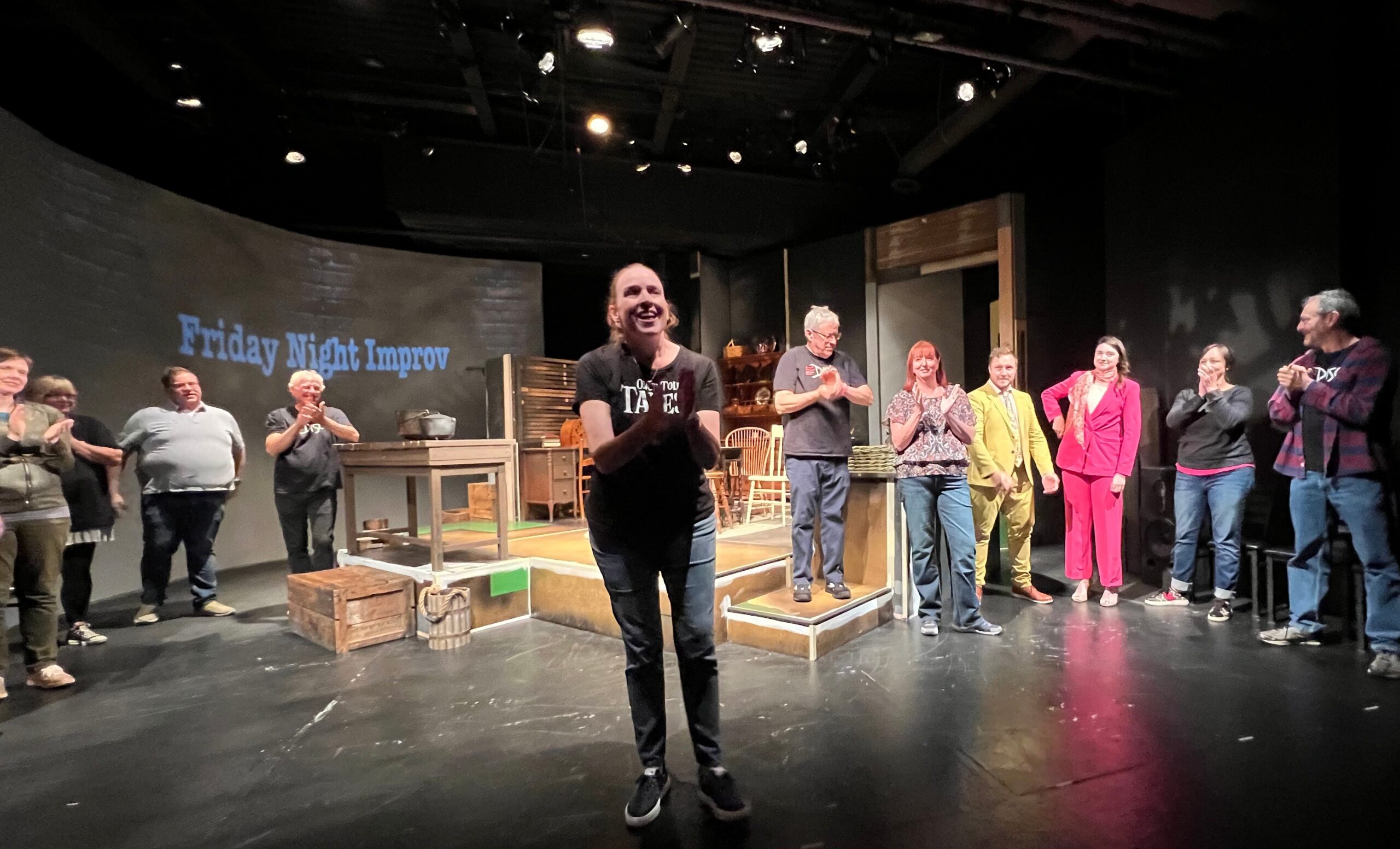
Julie getting ready to attempt to break the Guinness World Record for “largest dim sum dinner” with 800 other people in Seattle’s Chinatown International District.

On June 18, I got to participate in an attempt to break a Guinness World Record for the most number of people gathered to eat dim sum. We succeeded, and set a new record with 830 eaters, beating the one set by Australia in 2019, by 66 people.

What started as a free marketing tool used in pubs for Guinness beers in 1955, has become the primary source for verifying records of individual and institutional achievements.  As a child, I grew up reading the Guinness Book of World Records.  We had the book at home and I would look through the grainy black and white photos of oddities like the person with “the most limbs” and “the longest fingernails” with awe. It wasn’t until I participated in this record breaking attempt, that I heard so many other people claiming the same childhood experience. This is a company that has learned how to evolve and reinvent itself.  It’s a testament to the Guinness World Records brand.

Nowadays, Guinness World Records makes the bulk of their money from aspiring record breakers who pay sizable fees to organize events for publicity. What the organizers of this dim sum event, Seattle’s Chinatown International District Business Improvement Area, paid to Guinness seems nominal compared to all the media coverage and word-of-mouth buzz the event drew. Within a week of registration opening, 1000 people registered for the event and an additional 700 opted to waitlist. 

Some criticize Guinness for making money by leveraging its brand this way. I see it as an example of a company being inventive when its book sale revenue, its primary source, dried up. Reinvention takes a lot of curiosity. I understand this personally because my family publishes a Vietnamese newspaper. We, along with many other small print newspapers, are in major decline because we haven’t been able to reinvent ourselves. 

Moreover, Guinness is meeting a genuine need for event-based marketing that engages real people. I am extremely proud to claim I helped break a world record and that I, and the 829 other participants, were in this together.

By finding ways to stay relevant, Guinness World Records has been able to stay in business, despite technology changes, while staying true to who they are at their core. 

What stories of reinvention at the institutional or individual level have you heard of? 

Please consider sharing this email with anyone who could benefit from a reinvention story.

Best,

Check out more CuriosityBased newsletters

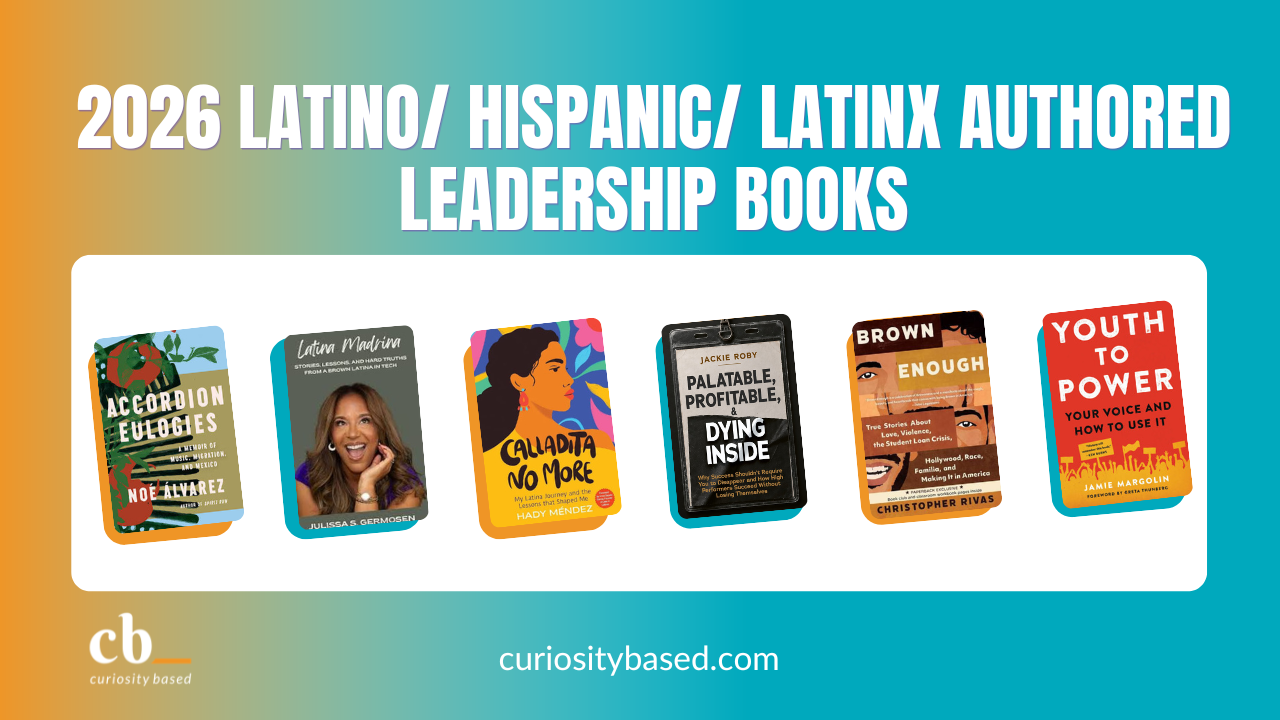
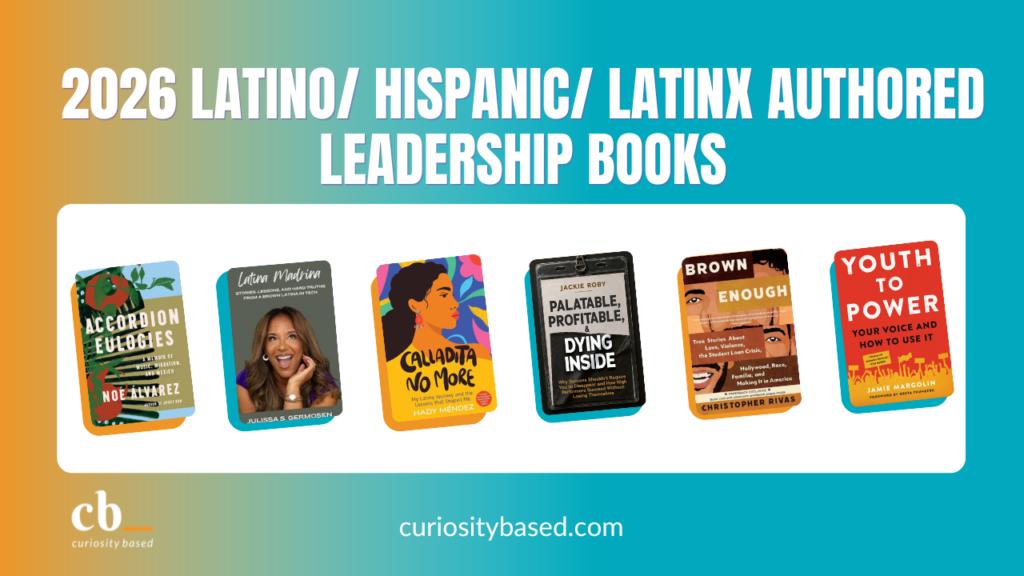
181 Leadership Books Written by Hispanic/ Latino/ Latinx Authors (2026)

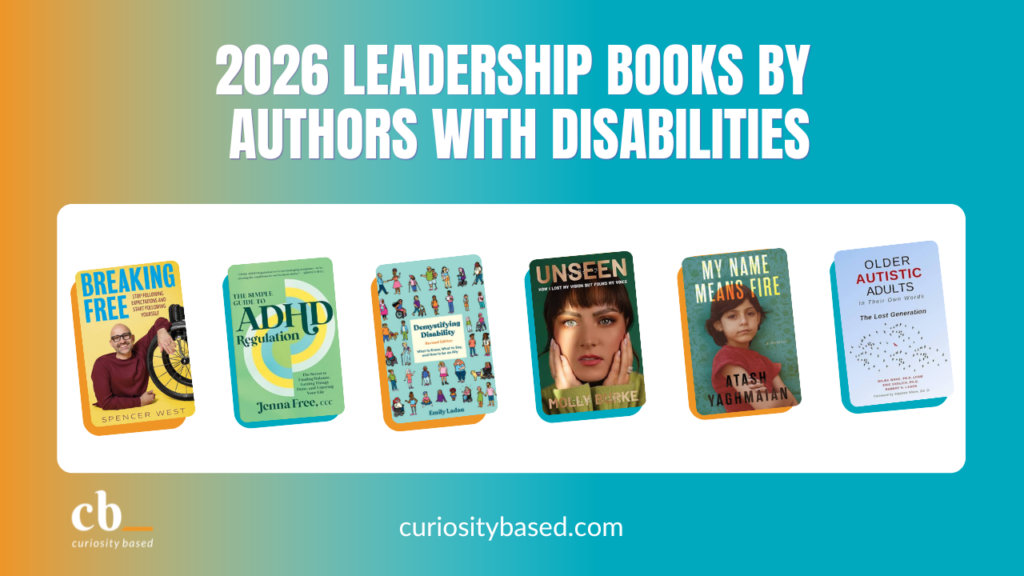
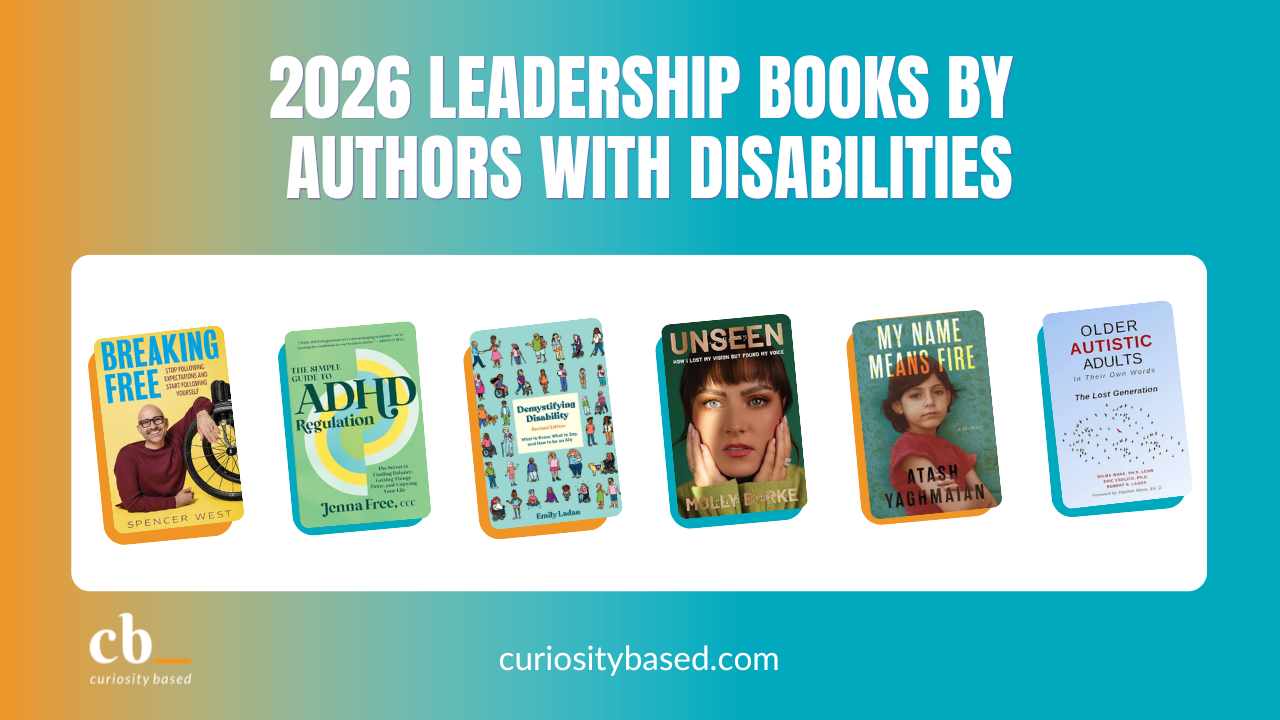
In honor of Latin American History Month, we updated our list of leadership books with 181 leadership books written by Hispanic/ Latino/ Latinx authors. This list is meant to be a resource, not an official endorsement. The books are not ranked or listed in any particular order.

Check out our other leadership book lists by authors who identify as LGBTQIA+, AANHPI, Native American, women, Black and those who identify as having disabilities.

  1. !Viva Latina!: Wisdom from Remarkable Women to Inspire and Empower — Sandra Velasquez
  2. ¡Ándale, Prieta!: A Love Letter to My Family — Yasmin Ramirez
  3. ¡Rise up, Mi Gente! A Roadmap for Latinos to Achieve Success in Corporate America — Jesse A. Mejia
  4. [Un]framing the “Bad Woman”: Sor Juana, Malinche, Coyolxauhqui, and othe rebels with a cause — Alicia Gaspar de Alba
  5. A Cup of Water Under My Bed: A Memoir — Daisy Hernández
  6. A Holistic Approach to Your Career — Blanca De La Rosa
  7. A House of My Own: Stories From My Life — Sandra Cisneros
  8. Accordian Eulogies — Noe Alvarez
  9. Act Like a Leader, Think Like a Leader — Hermina Ibarra
  10. Almost a Woman — Esmeralda Santiago
  11. Always Running: La Vida Loca – gang days in L.A. — Luis J. Rodriguez
  12. American Poison: How Racial Hostility Destroyed Our Promise — Eduardo Porter
  13. Amplify Your Influence — René Rodríguez
  14. An American Son: A Memoir — Marco Rubio
  15. An Organizer’s Tale — Cesar Chavez
  16. An Unlikely Journey: Waking up from My American Dream — Julián Castro
  17. And A Voice to Sing With: A Memoir — Joan Baez
  18. AOC: The Fearless Rise and Powerful Resonance of Alexandria Ocasio-Cortes — Lynda Lopez
  19. Autentico: The definitive guide to Latino career success — Robert Rodriguez
  20. Becoming Dr. Q: My Journey from a Migrant Farm Worker to Brain Surgeon — Alfredo Quinones-Hinjosa
  21. Becoming La Jefa – A Bold Latina Memoir on Leadership, Identity, and Breaking Barriers — Samí Haiman-Marrero
  22. Being Brown: Sonia Sotomayor and the Latino Question — Lázaro Lima
  23. Beyond Inclusion, Beyond Empowerment: A Developmental Strategy to Liberate Everyone — Leticia Nieto
  24. Bird of Paradise: How I became a Latina — Raquel Cepeda
  25. Borderlands / La Frontera: The New Mestiza — Gloria Anzaldúa
  26. Born Bold — Onaysia Martinez
  27. Breaking Ground and Barriers: Hispanic Women Developing Effective Leadership — Gloria Bonilla-Santiago, Ph.D.
  28. Brown Church: Five centuries of Latina/o Social justice, theology, and identity — Robert Chao Romero
  29. Brown Enough — Christopher Rivas
  30. Build a Beautiful Business con Confianza — Rosalie Ennes
  31. Burnt out to Lit Up — Daisy Auger-Dominguez
  32. Calladita No More: My Latina Journey and the Lessons that Shaped Me — Hady Méndez
  33. Calling Forth the Waves? — Janine Hernandez
  34. CAREER WITH INTENTION: Your Guide to Find the Clarity, Confidence and Courage for Your Next Move — Diana Bernal
  35. Children of the Land: A Memoir — Marcelo Hernandez Castillo
  36. Chingona: Owning Your Inner Badass for Healing and Justice — Alma Zaragoza-Petty
  37. Citizenship: Notes on an American Myth — Daisy Hernández
  38. Crux: A cross-border memoir — Jean Guerrero
  39. Culture-Minded — Adriana Vaccaro
  40. Dear America: Notes of an undocumented citizen — Jose Antonio Vargas
  41. Diversity, Equity, and Inclusion: Strategies for Facilitating Conversations on Race — Caprice Hollins and Ilsa Govan
  42. Dream Big — Deborah Rosado Shaw
  43. Dream First: How to Quit Overthinking and Make it Happen — Ellen Marie Bennett
  44. Dream in Color: How the Sánchez Sisters are Making History in Congress — Linda Sánchez
  45. Dreaming of Home: How We Turn Fear into Pride, Power, and Real Change — Cristina Jiménez
  46. El Cinco de Mayo: An American Tradition — David Hayes-Bautista
  47. Empower Yourself for an Amazing Career — Blanca De La Rosa
  48. Extraordinary Latinas: Powerful Voices of Resilience, Courage & Empowerment — Ilhiana Rojas Saldana
  49. Farmworker’s Daughter: Growing up Mexican American — Rose Castillo Guilbault
  50. Field Mice: Memoirs of a Migrant Child — Emma Gonzalez
  51. Financially Lit!: The Modern Latina’s Guide to Level Up Your Dinero & Become Financially Poderosa — Jannese Torres
  52. Finding Latinx: In Search of the Voices Redefining Latino Identity — Paola Ramos
  53. Finding Manana: A Memoir of a Cuban Exodus — Mirta Ojito
  54. First-Gen, NextGen: A Guide to Thriving as a First-Generation Latinx in the Next Generation of the American Workforce — Victoria F. Banuelos
  55. Frida — Barbara Mujica
  56. From Farmworker to Astronaut — Jose Hernandez
  57. From the Border to the Boardroom: A Journey from Poverty to Passionate Purpose — Griselda Castro Abousleman
  58. From the Streets to Corporate America: The Power of Mindset & Method: Corner to Cubicle — Amervis López Cobb
  59. From the Texas Cotton Fields to the United States Tax Court — Mary Theresa (Terry) Vasquez, Anthony Head
  60. Gaby Brimmer: An Autobiography in Three Voices — Gaby Brimmer, Elena Poniatowska
  61. Get Rooted: Reclaim Your Soul, Serenity, and Sisterhood — Robyn Moreno
  62. Gmorning, Gnight!: Little pep talks for me & you — Lin-Mauel Miranda
  63. Growing American Roots — Bob Menendez
  64. Healing Journey: Surviving Domestic Violence — Lupe Valdez
  65. Hermanas: Deepening our identity and growing our influence — Natialia Kohn Rivera
  66. Hispanic Women Seeking Higher Leadership Roles in Business — Syliva C. Motta, PhD
  67. Homeless by Choice — Roy Juarez Jr.
  68. How to Implement Self-Service Without Failing: A Practical Guide for Retailers and Decision-Makers — Adriana Rivas
  69. I Got This: To Gold and Beyond — Lauren Hernandez
  70. In Defense of Our America: The Fight for Civil Liberties in the Age of Terror — Anthony D. Romero
  71. In My Own Words: A Memoir — Eva Peron
  72. In the Country We Love: My Family Divided — Diane Guerrero
  73. In The Dream House: A Memoir — Carmen Maria Machado
  74. In the Shadow of the Mountain: A Memoir of Courage — Silvia Vasquez-Lavado
  75. Inclusion Revolution: The Essential Guide to Dismantling Racial Inequity in the Workplace — Daisy Auger-Dominguez
  76. Inventing Latinos: A New Story of American Racism — Laura E. Gómez
  77. Isabel’s Hand-Me-Down Dreams — Isabel Lopez
  78. Journey to the Future: A Roadmap for Success for Youth — Ltc. Consuelo Castillo Kickbusch
  79. Justice & Space Matter in a Strong, Unified Latino Community — Kathy Bussert-Web, et. al.
  80. La Nueva California: Latinos from Pioneers to Post-Millenials — David Hayes-Bautista
  81. Latina Empowerment Through Leadership: Mindful Stories from Inspiring Women — Catherine Munos Garces, Monica Rivera, et al
  82. Latina Leadership Lessons: Fifty Latinas Speak — Delia Garcia (editor)
  83. Latina Madrina: Stories, Lessons, and Hard Truths From A Brown Latina In Tech — Julissa S. Germosén
  84. Latinas in Aviation — Jacqueline S. Ruiz
  85. Latinas in Corporate: Overcoming Cultural Obstacles While Juggling a Career and a Family — Myriam Del Angel
  86. Latinas in Real Estate: Stories of Passion, Resilience, and Breaking Barriers of Latinas in the Real Estate Industry — Maggie Antillon-Mathews
  87. Latinas Rising Up in HR — Priscilla Guasso
  88. Latinas Rising Up In HR Volume III Executive Edition: Inspirational Stories of Human Resources Professionals Leading, Thriving, and Breaking Barriers — Priscilla Guasso
  89. Latinization and the Latino Leader: How to Value Professionals — Cristina Benitez & Marlene Gonzalez
  90. Latino and Latina Leaders of the 21st Century — Kay (Kayla) S. Garcia
  91. Latino Leaders Speak: Personal Stories of Struggle and Triumph — Mickey Ibarra, Maria Pérez-Brown
  92. Latino Talent: Effective Strategies to Recruit Hispanic Professionals — Robert Rodriguez
  93. Latinos in American Society: Families and Communities in Transition — Dr. Ruth Enid Zambrana
  94. Latinx Business Success: How Latinx Ingenuity, Innovation, and Tenacity are Driving Some of the World’s Biggest Companies — Frank Carbajal and José Morey
  95. Latinx: The New Force in American Politics — Ed Morales
  96. Leadership Lessons of the White House Fellows — Charles P. Garcia
  97. Leading Toward Liberation: How to Build Cultures of Thriving in Higher Education — Annmarie Caño
  98. Leading with Psychological Safety: 52 Essential Practices for a Year of Building Trust and Empowering Teams — Amervis López Cobb
  99. Leapfrog: The New Revolution for Women Entrepreneurs — Nathalie Molina Niño
  100. Leaving Little Havana: A memoir of Miami’s Cuban ghetto — Cecilia M. Fernandez
  101. Life Is A Beautiful Journey: 15 Ways To Create A Life Full Of Joy and Gratitude — Janine Hernandez
  102. Living Beyond Borders: Growing Up Mexican in America — Margarita Longoria
  103. Love Is the Path: An Immigrant’s Journey to Belonging Through the Workplace — Claudia Cardozo
  104. MAMI on a Mission! Mujeres Alcanzando Metas Imposibles: A Guide Towards Healing, Self-Discovery, and Walking in Confidence! — Mariana Moreno Monterrubio
  105. Me — Ricky Martin
  106. Mean — Myriam Gurba
  107. Mexican Enough: My Life Between the Borderlines — Stephanie Elizondo Griest
  108. Migrant Heart: Essays About Things I Can’t Forget — Reyna Grande
  109. More than Ready: Be Strong and Be You . . . and Other Lessons for Women of Color on the Rise — Cecilia Muñoz
  110. My (Underground) American Dream — Julissa Arce
  111. My Beloved World — Sonia Sotomayor
  112. My Invented Country: a Nostalgic Journey Through Chile — Isabel Allende
  113. My Time to Speak: Reclaiming Ancestry and Confronting Race — Ilia Calederon
  114. Once I Was You: A Memoir of Love and Hate in a Torn America — María Hinojosa
  115. Palatable, Profitable, & Dying Inside — Jackie Roby
  116. Path to the Stars: My Journey from Girl Scout to Rocket Scientist — Sylvia Acevedo
  117. Perfectly You: Embracing the Power of Being Real — Mariana Atencio
  118. Persevere with Power: What Heaven Starts, Hell Cannot Stop — Samuel Rodriguez.
  119. Pork Belly Tacos with a Side of Anxiety: My Journey Through Depression, Bulimia, and Addiction — Yvonne Castañeda
  120. Powerhouse Principles: Blueprints for Real Estate Success — Jorge Perez
  121. Presevere with Power: What Heaven Starts, Hell Cannot Stop — Samuel Rodriguez
  122. Presumed Incompetent: Intersections of Race and Class for Women in Academia — Gabriella Gutiérrez y Muhs, et. al.
  123. Professional Life Skills for Young Adults: 7 Keys to Empower Career Readiness — Christianne Meneses Jacobs
  124. Pursuing a better tomorrow — Blanca De La Rosa
  125. Ready, Set, Manifest: A Handbook for the in-between and leaps in life — Debbie Lacey
  126. Rita Moreno: A Memoir — Rita Moreno
  127. Salsa, Soul, and Spirit: Leadership for a multicultural age — Juana Bordas
  128. Self Made: Becoming Empowered, Self Reliant and Rich in Every Way — Nely Galán
  129. Sexy Confidence™: A U.S. Marine’s Blueprint for Women to Command their Seat at the Table to become Bold, Beautiful, & Bulletproof — Sandra Gonzalez
  130. Silencing Gender, Age, Ethnicity and Cultural Biases in Leadership — Camilla A. Montoya, et. al.
  131. Solito: A Memoir — Javier Zamora
  132. Spirit Run: A 6000 Mile Marathon Through America’s Stolen Land — Noe Alvarez
  133. Still Dreaming: My Journey from the Barrio to Capitol Hill — Luis Gutiérrez
  134. Take a Stand: Lessons from Rebels — Jorge Ramos
  135. Take Charge of your Brand: Personal Brand for Professional Success — Guisselle Nuñez
  136. Taking On the System: Rules for Change in a Digital Era — Markos Moulitsas Zuniga
  137. Tattoos and Pearls: Combining Street Wisdom with Corporate Strategy — Miriam Simon
  138. The 5 Disciplines of Inclusive Leaders: Unleashing the Power of Us All — Andrés Tapia (coauthor)
  139. The Buena Salud Guide to Understanding Depression and Enjoying Life — Jane Delgado
  140. The Devil’s Highway, A True Story — Luis Alberto Urrea
  141. The Engine of America: Secrets to Small Business Success — Hector V. Barreto
  142. The Far Away Brothers: Two young migrants and the making of an American life — Lauren Markham
  143. The Four Sacred Gifts: Indigenous Wisdom for Modern Times — Anita L. Sanchez
  144. The Injustice Never Leaves You: Anti-Mexican Violence in Texas — Monica Muñoz Martinez
  145. The Latina Guide to Health: Consejos and Caring Answers — Jane Delgado
  146. The Latino Advantage in the Workplace — Mariela Dabbah, Arturo Poiré
  147. The Leadership Shift: Positioning of Latino Business Leaders — Dr. Nilda Perez
  148. The Life Agreement: Own The Courage To Pursue Your Soul’s Ambitions — Sandra Noemi Torres
  149. The Light In Times Of Darkness — Janine Hernandez
  150. The Likeability Trap: How to Break Free and Succeed As You Are — Alicia Menendez
  151. The Man Who Could Move Clouds — Ingrid Rojas Contreras
  152. The More or Less Definitive Guide to Self Care — Anna Borges
  153. The Power Manual: How to Master Complex Power Dynamics — Cyndi Suarez
  154. The Power of Latino Leadership: Culture, inclusion, and contribution — Juana Bordas
  155. The Prince of Los Cocuyos — Richard Blanco
  156. The Secret Principles of Genius — I.C. Robledo
  157. The Soul of a Woman — Isabel Allende
  158. The Story of Latinos and Education in American History — Dr. Abdín Noboa-Ríos
  159. The Undocumented Americans — Karla Conejo Villavicencio
  160. The Universal Tone: Bringing My Story to Light — Carlos Santana
  161. The Unlikely Candidate: Breaking Barriers to Elected Office and Beyond — Diana Maldonado
  162. The Virtuous Circle: Restore Your Confidence, Bounce Back, and Emerge Stronger — Gaby Natale
  163. This Little World: A How-To Guide for Social Innovators — Shelly Kurtz
  164. Thriving in the Fight: A Survival Manual for Latinas — Denise Padin Collazo
  165. Through the Dark — Yolanda Nava
  166. Tias and Primas, On Knowing and Loving the Women Who Raise Us — Prisca Dorcas Mojica Rodriguez
  167. Today’s Inspired Latina Volume X: Life Stories Of Success In The Face of Adversity — Jacqueline S. Ruiz (Author), Ana Larrea-Albert
  168. Unapologetically You: Your Guide to Rise Without Compromise — Gina Cano
  169. Uncolonized Latinas: Transforming Our Mindsets and Rising Together — Valerie Aloe
  170. Undocumented: A Dominican boy’s odyssey from a homeless shelter to the Ivy League — Dan-el Padilla Peralta
  171. Undocumented: A Dominican Boy’s Odyssey from a Homeless Shelter to the Ivy League — Dan-el Padilla Peralta
  172. Unshaken: Women Rising, Leading, and Living Unapologetically — Blanca De La Rosa
  173. Wealth Warrior: 8 Steps to Conquer the Stock Market — Linda Garcia
  174. When I Was Alone with God From: Brokenness to Healing — Damaris Falcon-Santiago
  175. When I Was Puerto Rican — Esmeralda Santiago
  176. Wild Tongues Can’t Be Tamed: 15 Voices from the Latinx Diaspora — Saraciea J. Fennell (Editor)
  177. You Don’t Have to Like Me: Essays on Growing Up, Speaking Out, and Finding Feminism — Alida Nugent
  178. Your Power Within: Inner Guidance — Blanca De La Rosa
  179. Your Time to Rise: Unlearn Limiting Beliefs, Unlock Your Power, and Unleash Your Truest Self — Arivee Vargas
  180. Youth to Power: Your Voice and How to Use it — Jamie Margolin
  181. Youth, Identity, Power: The Chicano Movement — Carlos Munoz Jr.

View all of our leadership book lists here.
Secret to reducing awkwardness at parties

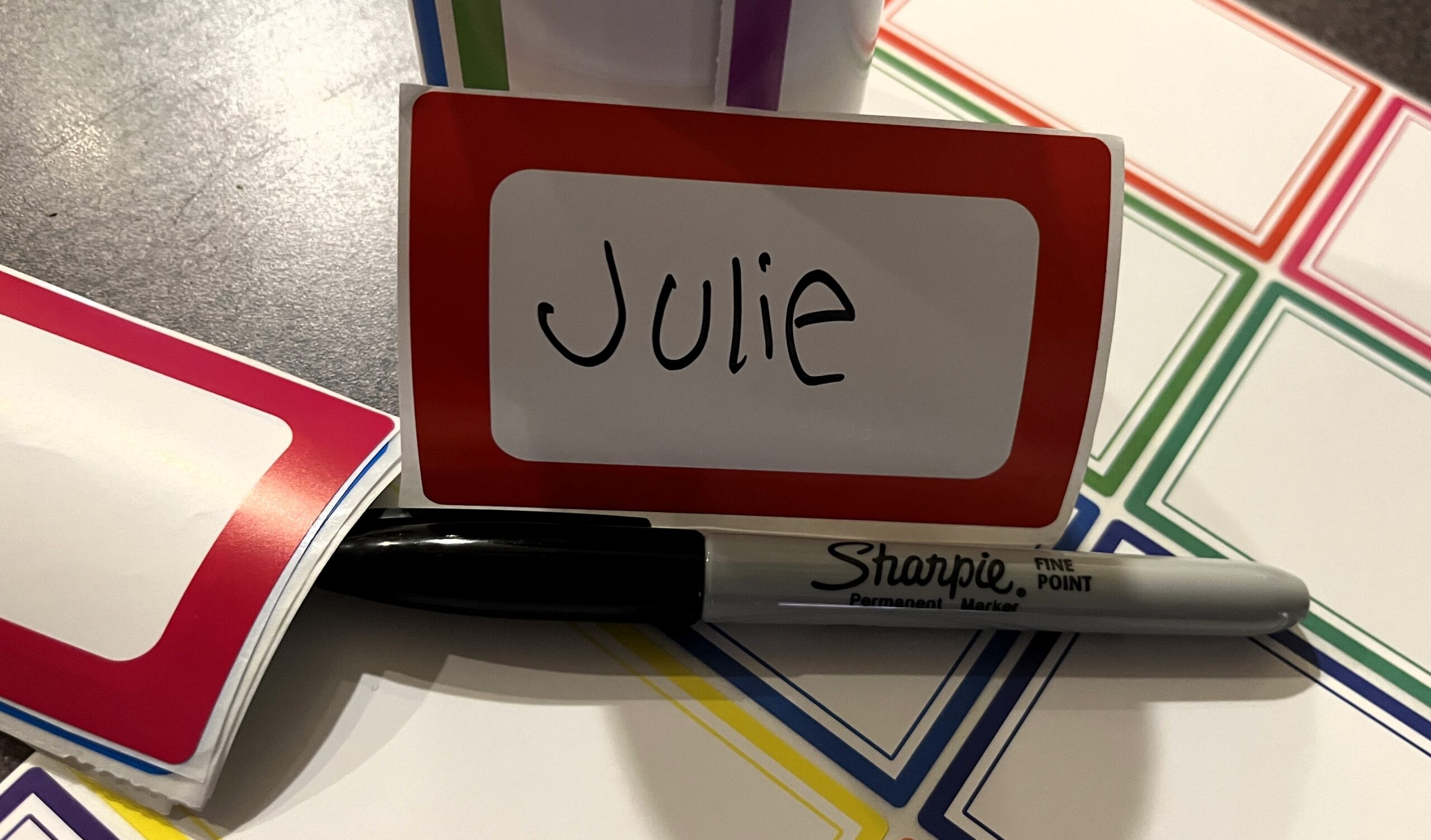
ulie’s stock of sticker name tags and trusty Sharpie pen.

Summer means outdoor gatherings, sometimes with many people who don’t know each other. Whether you’re hosting or attending such a party, I have a tool to reduce awkwardness among guests: name tags. 

I first learned this from organizing formal networking events where name tags are essential to helping people keep track of everyone they meet. I also use them in my workshops for my clients. I bring tags so I can address participants by their name.

While some people like printed out name tags with pins or magnetic backings, I prefer the simple blank sticker so people can hand write their own name (and whatever other details they want to share). Sticker tags adhere to any surface. They’re also inexpensive and easy. As a  result, I always have blank sticker name tags and Sharpie pens on hand.

After seeing the benefits of name tags for work events, I started providing them for my personal social gatherings and my guests really appreciate them.  

While some think name tags feel “too formal,”  I consider them to be an accessibility aid to support those who have less than perfect memory or hearing. For those with difficult to pronounce names, they can even write the phonetic version of their name.

I even bring my own name tag to social gatherings with unfamiliar groups. The most common response when other guests see my name tag is, “Hey, where are the name tags?” Then I tell them I brought my own. If my partner accompanies me as my guest, I bring one for him, too. To help others place him, he usually writes underneath his name, “I’m with Julie”. 

During some events, I’ve had distant acquaintances come up to me and call me by my name.  I’m sure they wouldn’t have been confident in remembering who I am if not for my name tag. One person I met at a mutual friend’s birthday party found me on LinkedIn afterwards and messaged me to say, “I’ve been telling people about your name tag.” 

This past summer, I’ve been invited to birthday parties where I don’t know many of the other guests. I started offering to the host to bring blank sticker name tags for the other guests. The hosts love it because it makes it easier for guests to introduce themselves to each other, lightening the host’s load.  

Social gatherings with strangers can be awkward. Name tags are my trick. What tips do you have to make socializing easier? 

Please consider sharing this email with anyone you know who wants to make socializing easier for themselves or for their guests. 

Best, 

Check out more CuriosityBased newsletters

You don’t have to go far to explore

Image caption: The main street in downtown Tacoma, Pacific Ave, was nearly empty on a Saturday afternoon. The Washington State Historical Museum is on the left.

The word “vacation” often evokes images of exotic, or at least faraway, places. Last month, my partner and I decided to travel to a nearby regional city for our annual summer vacation. 

Even though Tacoma is only 35 miles south of where I live in Seattle, it feels quite different. I love its low-key, chill vibe. It has a quarter of Seattle’s population, half its density, and 70 percent of its median household income.

To experience local living, we rented an AirBnB in a residential neighborhood instead of staying downtown. We visited the city’s history and art museums, parks, and waterfront for the first time. Just as I would when I travel to places a lot farther away, I paid special attention to what looks different from home. 

  • There were a lot fewer people walking on the streets. 
  • I didn’t see any homeless encampments, open drug use, or black markets anywhere – not even downtown or near freeway entrances.
  • The cars people drove are generally much older, gasoline models, rather than electric powered vehicles.
  • There were more families with young children. 
  • There were fewer people of Asian heritage

Here are my two big takeaways: 1) I don’t have to travel far to experience cultural differences, and 2) what I notice says a lot about what I consider to be normal: busy streets; homelessness and open drug use; newer, electric vehicles (Seattle has the third most Tesla owners in the US); more dogs than young children; and a 20% Asian population. 

Practicing curiosity can make any destination feel more exotic. As summer winds down, you may consider “vacationing” nearby. If you do, please share what you notice and what it reveals about what you consider normal. I’d love to hear from you. 

Also, please consider sharing this email with anyone you know who is about to travel near or far. 

Best,

Check out more CuriosityBased newsletters

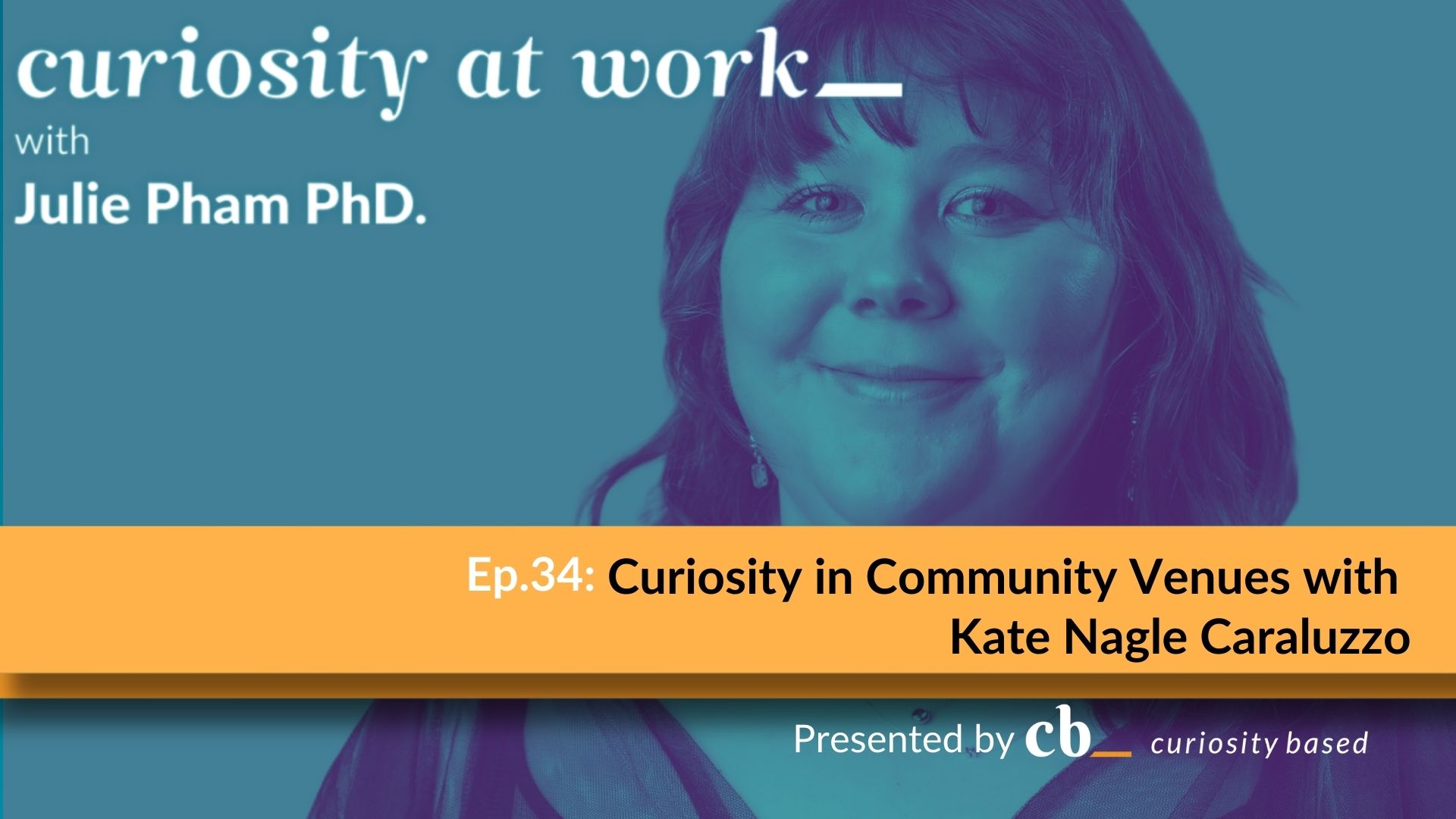
#34: Curiosity in Community Venues with Kate Nagle Caraluzzo

#34: Curiosity in Community Venues with Kate Nagle Caraluzzo

In Episode 34 of the Curiosity at Work podcast, Dr. Julie Pham speaks with Kate Nagel-Caraluzzo, Executive Director of Town Hall Seattle, about curiosity in nonprofit leadership and arts and culture spaces.

Town Hall Seattle serves as a hub for civic dialogue, performances, author talks, and diverse community programming. Behind every event is a complex operation balancing logistics, neutrality, responsiveness, and mission.

In this conversation, they explore:

• Why curiosity is essential for effective nonprofit leadership
• The challenge of maintaining a neutral venue for diverse perspectives
• How flexibility and responsiveness support community engagement
• Why the journey to an answer can matter more than the answer itself
• How curiosity helps leaders navigate complex decisions
• The role of empathy and open-mindedness in strategic planning

One line that captures the spirit of the episode:
“Curiosity is your only ticket in.”

Leadership in community spaces requires more than event management. It requires humility, experimentation, and the willingness to ask, How else could we do this?

🎧 Listen to Episode 34 of Curiosity at Work and go behind the scenes at Town Hall Seattle to explore curiosity in action.

More Curiosity at Work episodes at: https://curiositybased.com/category/curiosity-at-work-podcast/

#CuriosityAtWork #CuriosityBased #NonprofitLeadership #ArtsAndCulture #CommunityEngagement #CivicLeadership #TownHallSeattle #EventManagement #StrategicLeadership #OrganizationalCulture #PracticeCuriosity #SeattleNonprofits

Acknowledging the bitter and sweet

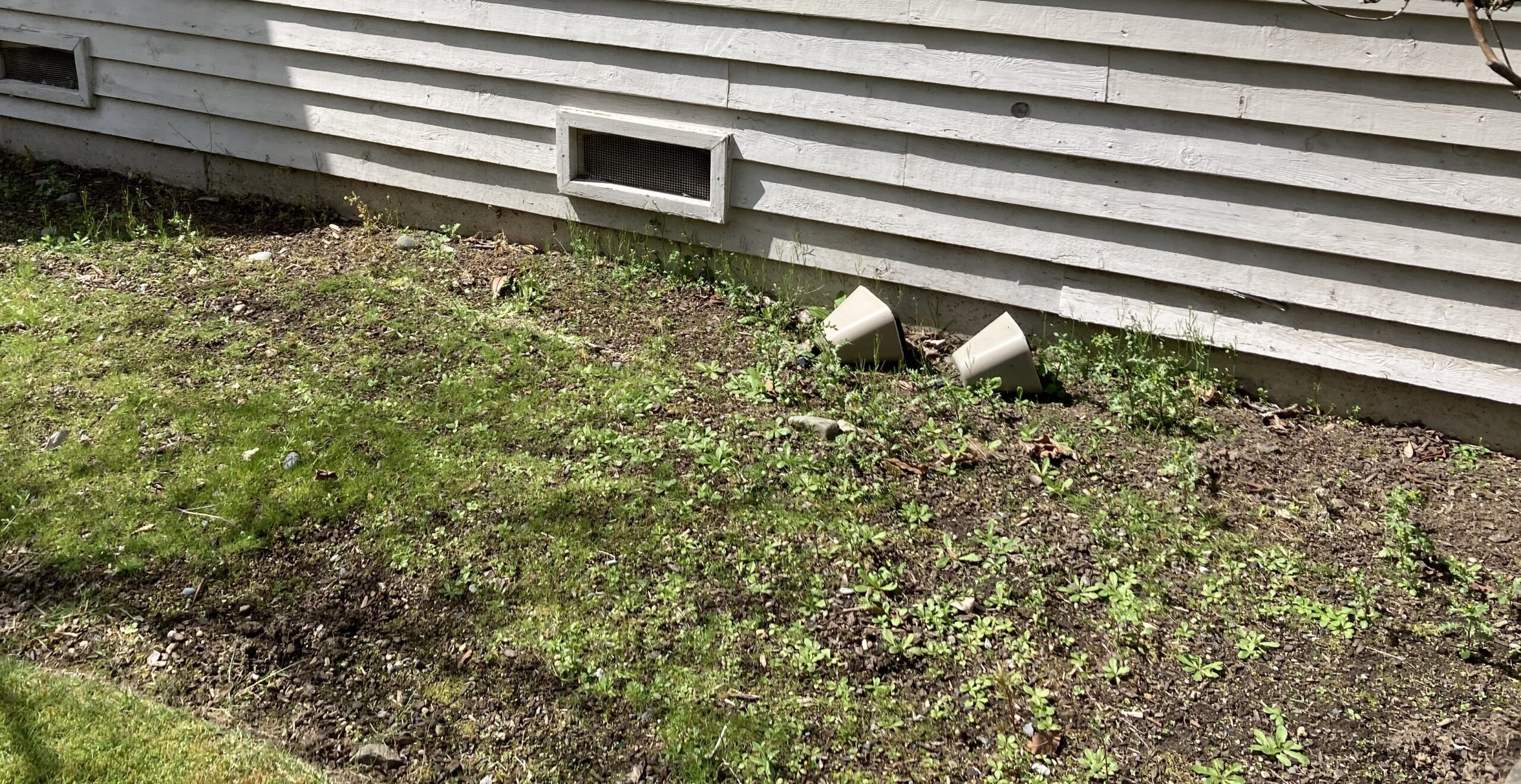
Julie’s friend’s orange bloom bush is thriving once again after it was moved from a crowded garden and replanted in a more spacious location with more room to grow.

I recently reconnected with my friend, “Colleen,” and was so inspired with how she initiated a major life transition that I asked if I could share her story here.

Colleen spent most of her life building a family and running a business with her husband. Then, about eight years ago, they divorced and ended their business together. After employing sizable teams for years, she had to get a job at a small start-up that shut down shortly thereafter. She went to another company that also had massive layoffs, then another one. After each layoff, it became harder and harder to get the next job. For another 18 months, she tried to find employment with no success. As a woman in her early sixties, she suspected she was dealing with ageism in an expensive city dominated by young professionals. 

Colleen was withering. She was living on her dwindling savings. She began questioning her self-worth. Her kids were grown and didn’t seem to need her anymore, either. The continual rejection exhausted her. 

Earlier this spring, she realized she needed to change her environment, even though it meant leaving behind everything that she knew. So, Colleen rented out her little house, packed her car with a few belongings and moved to a small tourist town in another state where there were more people her age. If it didn’t work out there, she reasoned at least it was a change from stagnating where she was. It was the first time in her life she prioritized her own needs. 

Within a week in the new town, she found a part-time retail job and a one-bedroom apartment. 

Within two months, she secured a good job that made use of leadership experience.

When Colleen recounted her story, what surprised me was her lack of bitterness. “(Seattle) was good to me for a long time. I still love it,” she said. “But it’s not the place for me any more. I had to admit that and move on.” 

I am a big fan of finding the “lessons learned” from bad experiences. But, I realized that focusing on the bad may reduce these experiences to being useful only for what they teach us not to do. Colleen reminded me to acknowledge how many of those same experiences were also once sources of joy.

Honoring the good times doesn’t mean downplaying the bad times. We can accept that our experiences are made up of both “bitter” and “sweet” parts, hence the word “bittersweet.”

The way Colleen uprooted her life and started over in a new environment reminded me of a friend’s once healthy plant that got crowded out by other plants and became sick. Sometimes we also get crowded out and have to transplant ourselves to a place that gives us more space to grow. Many of us will find that we have to re-root ourselves in new environments, workplaces, relationships to continue to thrive. 

When have you had to “re-plant” yourself so that you could thrive again? Have you acknowledged both the bitter and sweet of the former experiences?

I’d love to hear what these reflections brought up for you.

Best,

Nonprofit MBA

In this episode of Nonprofit MBA podcast, Julie and Stephen Halasnik from Financing Solutions explore The 7 Forms of Respect® framework, helping leaders understand and incorporate respect into their culture to reduce burnout.

#CuriosityAtWork #RespectAtWork #InclusiveLeadership #WorkplaceCulture #Belonging #CuriosityBased

Check out more Nonprofit MBA podcasts: https://nonprofitmba.libsyn.com/

Explore more podcasts featuring Dr. Julie Pham at https://curiositybased.com/press/

SpeakUP! International

In this SpeakUP! International podcast, Julie shares her journey from South Vietnam to Seattle. Her family’s escape from communism is a defining moment that has deeply influenced her career. Julie’s journey offers valuable insights for aspiring authors and researchers, emphasizing the significance of setting one’s own terms and the benefits of self-publishing.

#CuriosityAtWork #RespectAtWork #InclusiveLeadership #WorkplaceCulture #Belonging #CuriosityBased

Check out more SpeakUp! International podcasts: https://www.speakuppodcast.ca/

Explore more podcasts featuring Dr. Julie Pham at https://curiositybased.com/press/

What I learned by trying to dance like Michael Jackson

Julie following along to the video, “BEAT IT” Dance ❤️ Michael Jackson ❤️ Beginner Dance Tutorial ❤️ Step-by-Step Choreography.” The instructor has her back to the viewer.

Is there something you’ve been struggling to learn? Maybe you should look at how you’ve been learning it. I just realized this for myself. 

When the biopic of Michael Jackson came out, I went to see it three times. I was inspired by how the lead actor, Jaafar Jackson (Michael’s nephew), took two years to learn how to dance like Michael Jackson. So, I decided to look up tutorials on how to do some “MJ” moves myself.

I’ve always been a big fan of Michael Jackson’s music. Whenever Billie Jean plays at weddings, I’m the first person on the dance floor. What I lack in skills as a dancer, I make up for in enthusiasm. But, when I’ve taken group dance lessons as an adult, I’ve felt frustrated because I couldn’t keep up with the other adult learners. I figured that I must actually be uncoordinated. The movie inspired me to try again, and also to exercise different parts of my brain.

There are a lot of tutorials on how to mimic Michael Jackson’s moves on YouTube. With Carrie and her YouTube channel, Beginning Dance Tutorials, I was able to learn the basic steps of “Beat It” in a 20 min video. I couldn’t believe it. 

What changed? 

After comparing this video to others, I realized that Carrie, the instructor, had her back to me, which meant I was shadowing her as we danced in the same direction. In almost every other tutorial, the teacher is facing the camera, like in a mirror. It made me realize that my real life dance instructors also faced me. This observation gave me an epiphany. What I thought was my own lack of coordination was actually my brain’s inability to make the cognitive flip to translate the instructor’s moves to how I should move because we were facing opposite directions.

I imagine feeling like someone who is diagnosed with dyslexia that comes to understand why it’s hard for them to read in a standard way. Once I learned how I learn differently, I knew I was capable of mimicking moves as long as I shadowed from behind.

As someone who conducts training, it reminds me to try to approach teaching my concepts in a variety of different ways to accommodate different learning styles.

Have you ever had this experience of discovering you just needed a different teaching style? Or is there something with which you’ve been frustrated that you can’t learn? Maybe you just need to explore what is making it difficult for you to learn.

I’d love to hear from you. something because it feels like you risk rejection? If so, please tell me about it, or ask away. I’d love to hear from you. 

Best,

Real People. Real Stories.

Ever felt like you didn’t quite belong, even in a place that should feel like home? Dr. Julie Pham shares her powerful story on the Real People. Real Stories. podcast with host Rena Rico. Julie recounts her experience studying in Vietnam, expecting to feel a deep connection, but instead finding herself navigating feelings of being a foreigner.

This episode dives into the complexities of identity, culture, and the immigrant journey. It’s a must-listen for anyone who has grappled with language barriers or the search for belonging.

#realpeoplerealstories #podcast #twocultures #identity #vietnameseamerican #immigrantjourney #belonging #culture #language

Check out more Real People. Real Stories. podcast: https://open.spotify.com/show/3ufrcv8Ytxdfm2Ic2UEen8

Explore more podcasts featuring Dr. Julie Pham at https://curiositybased.com/press/

Attuned – The State of Motivation Report 2026

Dr. Julie Pham is quoted in the “The State of Motivation Report 2026.” It draws data from Attuned users around the world, providing a unique snapshot of how global motivational trends change from year to year, revealing what’s top of the agenda for employees right now, uncovering the issues transforming the modern workplace, and showing how motivational needs vary across generations and genders.

#LeadershipInsights #EmployeeMotivation #FutureOfWork #WorkplaceCulture #CuriosityBased #OrganizationalDevelopment #PeopleAndCulture #ThoughtLeadership

Learn more about Attuned: https://www.attuned.ai/product/ 

Explore more press featuring Dr. Julie Pham at https://curiositybased.com/press/

Elsplend Realities

On Elsplend Realities podcast, host ELO Oghenevwede Splendour sits down with Dr. Julie Pham to explore how curiosity can deepen respect and connection. Julie shares reflections on:

  • Rethinking respect across identities and experiences
  • How humility and self-awareness shape better collaboration
  • Why small shifts in perspective can change how we relate to others

A thoughtful listen for anyone navigating difference with more intention.

#CuriosityAtWork #RespectAtWork #InclusiveLeadership #WorkplaceCulture #Belonging #CuriosityBased

Check out more Elsplend Realities podcast: https://podcasts.apple.com/us/podcast/elsplend-realities/id1845530618

Explore more podcasts featuring Dr. Julie Pham at https://curiositybased.com/press/

What’s in Your Neighborhood?

What if connection isn’t about impressing others—but inviting them in as you are? On What’s in Your Neighborhood? podcast featuring Dr. Julie Pham, host Melanie Vargas sits down with Julie, for a deeply personal conversation on identity, belonging, and shifting from scarcity to abundance.

Julie shares reflections on:

  • Letting go of comparison and “not enough” thinking
  • Redefining what it means to host, connect, and belong
  • Why honest, imperfect connection is often what people remember most

A thoughtful listen for anyone rethinking what “enough” looks like.

#CuriosityAtWork #Belonging #WorkplaceCulture #LeadershipDevelopment #AuthenticConnection #CuriosityBased

Check out more What’s in your neighborhood? Podcast: https://whatsinyourneighborhood.org/neighborhood-podcast

Explore more podcasts featuring Dr. Julie Pham at https://curiositybased.com/press/

Canvas Rebel

What does it look like to leave a great job—and choose uncertainty on purpose?

In a recent feature with Canvas Rebel, Julie reflects on the risks, lessons, and mindset behind building a business rooted in curiosity.

A few themes that stand out:

  • Practicing curiosity is a skill—not a personality trait
  • Growth requires both learning and unlearning
  • Sometimes progress looks like letting something go to save what matters most

A thoughtful read for anyone building, leading, or rethinking what success looks like.nd building workplaces where more people can thrive.

#CuriosityAtWork #Entrepreneurship #LeadershipDevelopment #WorkplaceCulture #LearningOrganizations #CuriosityBased

Check out Canvas Rebel magazine: https://canvasrebel.com/

Explore more press featuring Dr. Julie Pham at https://curiositybased.com/press/

Thriving in Intersectionality

What if the way you communicate at work isn’t code-switching — it’s strategic leadership? In the latest episode of Thriving in Intersectionality podcast, Dr. Lola Adeyemo sits down with Dr. Julie Pham for a conversation that will shift how you think about identity, belonging, and what it means to lead.

Julie reframes code-switching not as assimilation, but as intentional communication. She introduces her 7 Forms of Respect® framework — a powerful reminder that respect isn’t one-size-fits-all. How it’s expressed, given, and received is deeply shaped by culture, lived experience, and personal history.

They also explore:

  • The difference between refugee and immigrant experiences — and why it matters in the workplace
  • “Push and pull” migration factors and how they show up in professional identity
  • Why success should be defined by how it feels, not just how it look
  • Managing energy (not just time) as a leadership practice
  • The power of asking for help as a career growth strategy

This episode is a masterclass in seeing the whole person behind the professional — and building workplaces where more people can thrive.

#ThrivingInIntersectionality #CuriosityBased #DEI #InclusiveLeadership #CodeSwitching #SevenFormsOfRespect #Leadership #Belonging #WorkplaceCulture #RefugeeStories

Check out more Thriving in Intersectionality podcast: https://thrivinginintersectionality.buzzsprout.com/ 

Explore more podcasts featuring Dr. Julie Pham at https://curiositybased.com/press/

Workplaces That Work

Most leaders think they’re being respectful. But intention and impact are not the same thing. Dr. Julie Pham joined Dr. Lola Adeyemo on a recent episode of Workplaces That Work podcast to dig into one of the most misunderstood dynamics in professional life: What respect actually looks like at work, and why so many teams get it wrong.

The core problem? Without a shared understanding of respect, even well-meaning leaders can create friction, erode trust, and leave team members feeling unseen — all without realizing it.

  • In this conversation, Julie and Dr. Lola explore:
  • How misaligned expectations quietly create tension on teams
  • The role of curiosity in stronger leadership and team dynamics
  • Why good intentions don’t guarantee good impact
  • Practical ways to build shared understanding across diverse teams

If you lead people — or work alongside them — this episode will challenge how you think about respect and how you practice it every day.

#CuriosityBased #7FormsOfRespect #WorkplacesThatWork #Leadership #WorkplaceCulture #Respect #InclusiveLeadership #TeamDynamics #HR #Belonging

Check out more Workplaces that Work podcasts: https://open.spotify.com/show/76ql3YSMLGEEYnWuobrZ6x 

Explore more podcasts featuring Dr. Julie Pham at https://curiositybased.com/press/ 

Born without a Choice

How many decisions did you make today based on an assumption you never stopped to question? Dr. Julie Pham joined the Born Without a Choice podcast for a conversation that gets at something most of us don’t like to admit — that our quick judgments, unchecked assumptions, and lack of curiosity quietly shape how we lead, how we listen, and how we treat the people around us.

This episode is an invitation to slow down.

Julie brings her signature lens to the conversation — including insights from the 7 Forms of Respect® — exploring how understanding before reacting can fundamentally change the quality of our relationships and decisions at work and beyond.

If you’ve ever been misread, misunderstood, or caught yourself doing the same to someone else — this one is worth your time.

#CuriosityBased #7FormsOfRespect #Leadership #CuriousLeadership #WorkplaceCulture #Assumptions #InclusiveLeadership #Communication 

Check out more Born Without a Choice podcasts: https://podcasts.apple.com/us/podcast/born-without-a-choice/id1890191594 

Explore more podcasts featuring Dr. Julie Pham at https://curiositybased.com/press/ 

Lifting Leaders

On a recent Lifting Leaders podcast Gems episode featuring Dr. Julie Pham, the hosts Tricia Rhine and Kristal Roberts revisit insights from their conversation with Julie about her book, “The 7 Forms of Respect®.”

After taking the 7 Forms Respect Assessment themselves, they reflect on:

  • Why respect can look wildly different across teams and cultures
  • How co-creating team norms builds stronger trust and belonging
  • The small shifts leaders can make to create healthier communication and culture

A thoughtful listen for leaders who want to lead with more awareness, clarity, and intention.

#CuriosityAtWork #RespectAtWork #LeadershipDevelopment #WorkplaceCulture #InclusiveLeadership #CuriosityBased

Check out more Lifting Leaders podcast episodes: https://www.liftingleaderspodcast.com/

Explore more podcasts featuring Dr. Julie Pham at https://curiositybased.com/press/

Everything’s Not Black & White

In Episode 58 of Everything’s Not Black & White podcast, featuring Dr. Julie Pham, Julie sits down with hosts Lachandra Baker and Brian J Baker to explore what it actually takes to hold space for multiple truths. This is not as a philosophical exercise, but as a daily leadership practice.

She shares her Rubber Band Rule: Yes, stretch toward others, extend your respect, bridge the gap. But know where your limit is. Snapping doesn’t serve anyone.

She talks about the power of the pause, that small, deliberate moment between receiving something hard and choosing how to respond to it. And why that pause might be the most underrated leadership skill there is.

And she gets personal about her family’s story as Vietnamese refugees, about the history that didn’t make it into the textbooks, and about why leading with curiosity isn’t soft. It’s the hardest thing most of us will ever practice.

If you’ve ever navigated a room where people were holding very different versions of the same truth, this episode was made for you.

What does respect look like to you?

#Leadership #CuriosityBased #7FormsOfRespect #OrganizationalDevelopment #EverythingsNotBlackAndWhite #Podcast #Curiosity #Respect #SelfAwareness #DEI #WorkplaceCulture 

Check out more Everything is Not Black and White podcast episodes: https://podcasts.apple.com/us/podcast/everythings-not-black-white/id1496282353

Explore more podcasts featuring Dr. Julie Pham at https://curiositybased.com/press/

ManKind Podcast

Most conflicts about respect aren’t really about respect. They’re about different assumptions of what respect looks like.

On the ManKind podcast featuring Dr. Julie Pham, host Boysen Hodgson to explores why people can agree on how respect feels while having completely different ideas about what respectful behavior should be.

In this conversation, Julie shares:
• How culture, family, and life experiences shape our expectations
• Why curiosity is often the missing ingredient in difficult conversations

Whether at work, at home, or in our communities, many conflicts become easier to navigate when we get curious about what respect means to others.

What does respect look like to you?

#CuriosityAtWork #LeadershipDevelopment #RespectAtWork #WorkplaceCulture #Entrepreneurship #CuriosityBased

Check out the ManKind podcast: https://mkpusa.org/category/recent-news/podcast/

Explore more podcasts featuring Dr. Julie Pham at https://curiositybased.com/press/

Asking for some help

In preparation for her next book, Julie is ordering many books through her local library, including Jane Friedman’s The Business of Being a Writer.

I’ve written and held workshops about asking for help. But, I realize I could be doing a better job of asking for help myself.

Since last fall, I’ve been focused on conducting research for my next book which will focus on respect in friendships. It’s one thing to write a book. It’s another thing to market and sell one.

While I’m proud that the sales from 7 Forms of Respect®  are in the top 10% of self-published books, I dream this next book will reach many more people. I want total strangers across the country to approach respect with curiosity in everyday conversations. I envision the book being on people’s shelves and coffee tables. I hope it will lead to opportunities to grow CuriosityBased’s business and brand. And sometimes that dream seems so elusive, I wonder if it will ever happen.

Everything we’ve achieved to sell and market the 7 Forms of Respect® thus far has been through word of mouth, earned media, and consistent content creation. I recognize that to get to the next level, I’m going to have to get an agent and a traditional publisher who can distribute my book widely.

Last month, I was sharing my desire for higher distribution with another writer friend. He tried to soothe me by saying, “As long as you’re trying your hardest.” His words made me realize, “I don’t think I am trying my hardest. I don’t actually think I’m doing the things that make me uncomfortable, that risk rejection. I could be asking for a lot more help.”

This is where you come in. I have to strengthen my “platform” to prove to potential agents there’s an existing market for my work on which they can build.  

So, I am asking you for help in three simple ways: 

  1. I want to grow newsletter subscribers by 20% by the end of summer. Could you please recommend to a few people to subscribe to this newsletter?
  2. If you read the book, 7 Forms of Respect®, please review it on GoodReads and/ or Amazon. We have 95 reviews across both platforms and I’d like to get to 200 by the end of the summer. 
  3. Follow us on LinkedIn and Facebook and like or share our content.

Phew. There, I did it. I asked you for help. 

Since that conversation with my friend, I’ve risked rejection daily by directly asking people if I can add them to my newsletter subscriber list. Fortunately, everyone has said, “Yes.”

Are you struggling to ask me for help with something because it feels like you risk rejection? If so, please tell me about it, or ask away. I’d love to hear from you. 

Best,

Who taught you how to be a friend?

Julie’s father, Kim Pham, standing third from the right with his friends and supporters of their family newspaper, Nguoi Viet Tay Nac (Northwest Vietnamese News), circa 1988.

Did you observe the kinds of friendships that your parents, or whomever raised you, had while you were growing up? What did you learn from them about how to treat your own friends? My next book will focus on respect in friendships. As part of my research, I ask people these questions.

While some say their caregivers explicitly taught them how to treat their friends, most say they learned through observations. There was a mix of positive and negative models of friendship. Some said their parents didn’t have friends and, as a result, they themselves didn’t learn how to form friendships until well into adulthood. Many say they had never thought about their parents’ friendships before. 

I hadn’t made the connection between my parents’ friendships and my own until I asked myself these questions. As the co-founders of the local Vietnamese newspaper, they were very involved in our immediate Vietnamese community. The line between personal and professional was thin. Many of my parents’ friends were entrepreneurs. Even the doctors and lawyers owned their own practices that served others in our refugee community. Being a friend meant supporting each other’s businesses. My brothers and I were always reminded when we went to a shop or a restaurant that it was owned by someone who advertised in the newspaper.

My parents taught me that friendship means helping each other out with whatever resources we have. This may include giving advice, making key introductions and referrals, and whenever possible, being customers. Many of my friends today are other entrepreneurs, creatives, founders, or have leadership roles at their organizations. We talk about work in the same way others talk about their hobbies or vacations. When it comes to other friends who don’t want to talk about work outside of work, I try to show respect by asking about their families and hobbies. Still, I like to be asked about CuriosityBased because my work is a core part of who I am.

What did you learn about friendship from those who raised you? How is that showing up in your expectations of respect in your own friendships now?

I’d love to hear from you. If you’re interested in having a one on one interview or participating in a focus group, please let me know.

Best,

#33: Curiosity in Musical Theater with Ariel Gomez-Bradler

#33: Curiosity in Musical Theater with Ariel Gomez-Bradler

In Curiosity at Work podcast episode 33: Curiosity in Musical Theater with Ariel Gomez-Bradler, Julie speaks with Ariel who is the Managing Director of The 5th Avenue Theatre, about curiosity in musical theater and the arts.

Theater is more than what happens on stage. It is production teams, designers, technicians, administrators, musicians, and countless behind-the-scenes roles working together to create something ephemeral and unforgettable.

In this conversation, they explore:

• How curiosity fuels creativity in theater production
• The many roles that bring a live performance to life
• The financial and operational challenges facing theaters post-pandemic
• Why supporting local theaters strengthens the entire community
• How family influences can spark a lifelong practice of curiosity

One line that captures the spirit of the episode:
“Curiosity is built into our practice.”

Live theater asks us to be present. It invites us into shared stories. It depends on local talent and community support.

When we support the arts, we are investing in connection, creativity, and community vitality.

Check out Episode 33 of Curiosity at Work and go behind the scenes to explore how curiosity shapes musical theater leadership.

More Curiosity at Work podcast episodes can be found here: https://curiositybased.com/podcast

#CuriosityAtWork #CuriosityBased #ArtsLeadership #TheaterArts #MusicalTheater #CreativeLeadership #CommunityEngagement #SupportLocalArts #SeattleArts #OrganizationalLeadership #PracticeCuriosity #LiveTheater

Plunge into Prosperity

What if prosperity isn’t about having more — but having more freedom?

On the Plunge into Prosperity podcast hosted by Brandi Kolosky, Julie shares her journey from arriving in the U.S. as a Vietnamese refugee to earning a PhD at Cambridge, running her family’s newspaper through the Great Recession, and founding CuriosityBased during the pandemic.

In this conversation, they explore:
• Why freedom is her definition of prosperity
• How curiosity evolved from gathering knowledge to a daily practice
• How the 7 Forms of Respect® can strengthen relationships at work and beyond

This is a thoughtful conversation about leadership, resilience, and building a life aligned with your values. It is thought-provoking on many deep levels and not to be missed.

#CuriosityAtWork #LeadershipDevelopment #RespectAtWork #WorkplaceCulture #Entrepreneurship #CuriosityBased

Low-context and high-context communication

Erin Meyer’s book, The Culture Map, with many sticky notes marking passages Julie found interesting.

Low-context and high-context communication

Listen to Julie read this newsletter on YouTube

I often get asked about the different ways that different cultures define respect. While I can share examples from lived experience, they are anecdotal. The 7 Forms of Respect® as a framework is ultimately about having curiosity around what respect means to you and others, so I avoid making any universal claims about how certain cultures define respect.

After having read Erin Meyer’s The Culture Map: Breaking Through the Invisible Boundaries of Global Business, I now have a book recommendation for those who want to understand how culture shows up in our interactions. Meyer shows how cultural differences exist along “eight scales that map the worlds’ cultures.” These scales are: communicating, evaluating, persuading, leading, deciding, trusting, disagreeing, and scheduling.

In the “communicating” scale, the two extremes are “low-context” and “high context,” which Meyers describes as:

Low-context: Good communication is precise, simple, and clear. Messages are expressed and understood at face value. Repetition is appreciated if it helps clarify the communication.

High-context: Good communication is sophisticated, nuanced, and layered. Messages are both spoken and read between the lines. Messages are often implied but not plainly expressed.

Meyers points out that the US has the lowest-context culture in the world, followed by Australia and Canada. The highest-context country is Japan, followed by Indonesia and Korea.

Whether a country is low context or high context is influenced by its history, population, and geography. The US is only a few hundred years old, geographically very expansive, and made up of immigrants from around the world. Low-context culture helps people communicate across such diversity. Japan is a largely homogenous, small island country with thousands of years of history. 

Low context culture prefers written documentation and visualizations to reinforce information communicated verbally. High context cultures assume shared understanding and deep listening, so someone from a high context culture may react to a written recap of a conversation by thinking, “Why are you writing this out? Do you not trust that I can remember?” If you’re interacting with someone from a high context culture, you have to listen much more carefully for what is not said. 

While my parents grew up in a high context culture (Vietnam), I realize my approach to communication is very low-context, a reflection of my American childhood. 

Where does your communication style fall on the spectrum of low to high context? I’d love to hear from you.

Best,