banner

The Jocelyn Moore Show podcast

Julie Pham on The Jocelyn Moore Show: Why We Disrespect People Without Meaning To

What if the way you show respect isn’t the way the people around you receive it?

In this episode of The Jocelyn Moore Show, CuriosityBased founder and CEO Dr. Julie Pham joins host Jocelyn Moore to explore why respect is relative, subjective, and dynamic rather than universal. Drawing on her book 7 Forms of Respect®, Julie explains how people give and receive respect in different ways, and why recognizing that difference changes the whole conversation.

Julie also shares the Rubber Band Rule, a practical way to know how much you can stretch for others without snapping, and talks about how her community organizing background informs the way she helps organizations become learning cultures built on curiosity rather than assumptions.

The conversation also covers workplace baggage and what to do when the boss is the problem, how to make DEI conversations less uncomfortable, and how culture, belonging, and multiple truths fit together. Julie closes with the path from historian to CEO and the final lesson she’d leave listeners with.

Check out more They Joycelyn Moore Showhttps://www.youtube.com/@thejocelynmooreshow podcast episodes.

Explore more podcasts featuring Dr. Julie Pham at https://curiositybased.com/press/

#CuriosityBased #7FormsOfRespect #Curiosity #Leadership #WorkplaceCulture #Podcast
October 27, 2026: Every hero is someone else’s villain

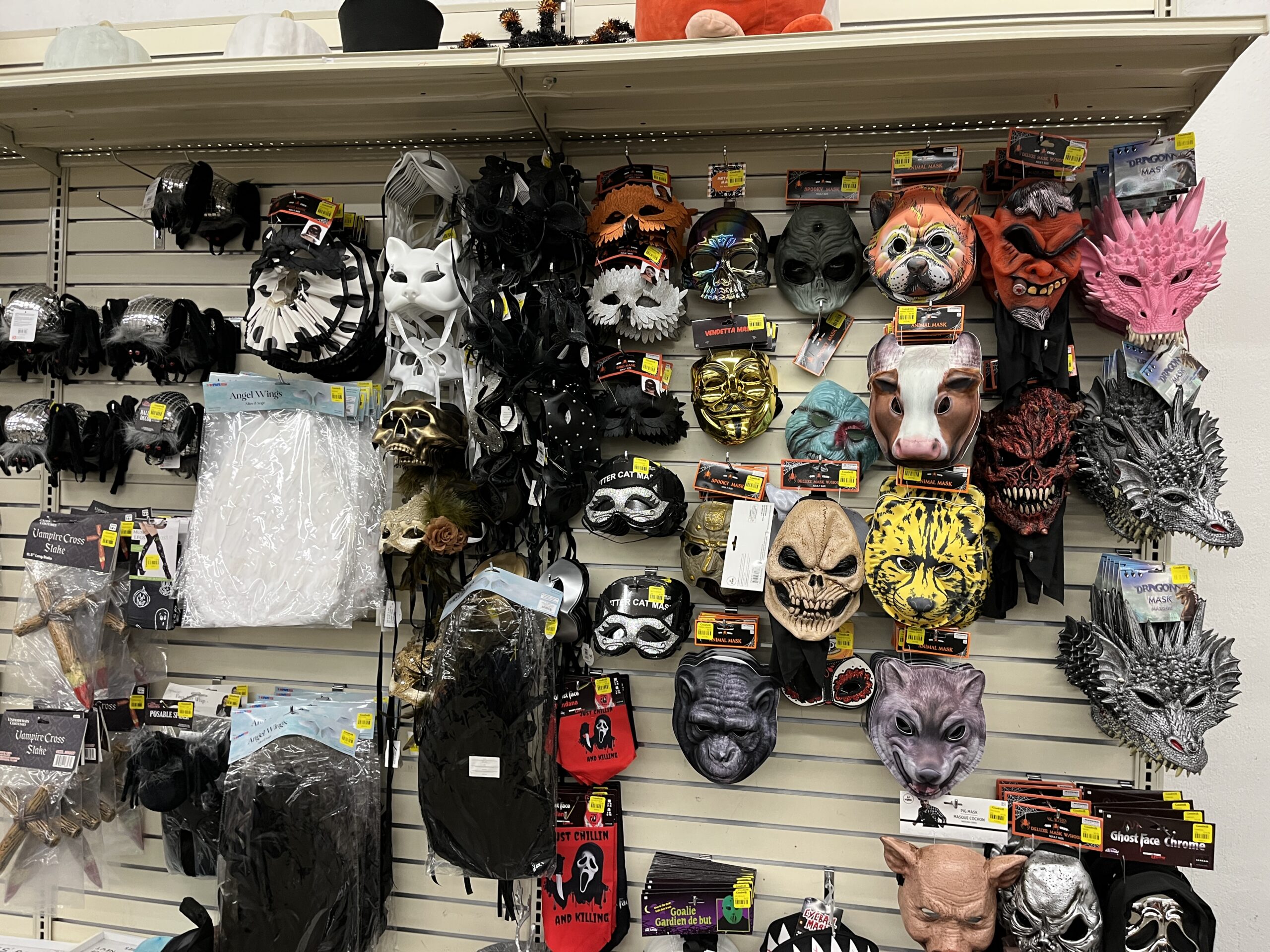
Monster masks on sale for Halloween at Julie’s Evergreen Goodwill store.

Every story has to have a hero and a villain. Have you ever wondered if you might be the villain of someone else’s story?

Years ago, I was having a problem moving past conflict with a colleague, “Ed.” I asked Ed to do something that he felt was unreasonable, but seemed completely reasonable to me. When I tried to discuss this with him, Ed told me, “I’ve told all my friends about you and they’re mad at you.” 

My first thought (which I did not express aloud), was: “What are you talking about? I’m not the bad guy here.”

Then I took in what Ed said. The truth was, I had been complaining about Ed to my friends, too. I realized it would make total sense that I’d be the villain in his story.

And if someone from the outside was witnessing us, they could probably see how we were both right and wrong. It’s all a matter of perspective, and from Ed’s perspective, I could appreciate why he thought I was unreasonable. 

Look back at the stories in your life when you saw yourself as a hero and someone else as the villain. Now reverse that, and imagine yourself as the villain. How does the story change when you’re the villain?

Here are other examples of questioning who the villain might be in a relationship:

  • A narcissistic mother or ungrateful daughter?
  • The spouse who is selfish or the spouse who plays martyr?
  • Controlling boss or careless employee?

I’d love to hear from you. Please forward this message to anyone who has a lot of people in their life that they see as villains.

Best, 

Check out more CuriosityBased newsletters