Did you observe the kinds of friendships that your parents, or whomever raised you, had while you were growing up? What did you learn from them about how to treat your own friends? My next book will focus on respect in friendships. As part of my research, I ask people these questions.
While some say their caregivers explicitly taught them how to treat their friends, most say they learned through observations. There was a mix of positive and negative models of friendship. Some said their parents didn’t have friends and, as a result, they themselves didn’t learn how to form friendships until well into adulthood. Many say they had never thought about their parents’ friendships before.
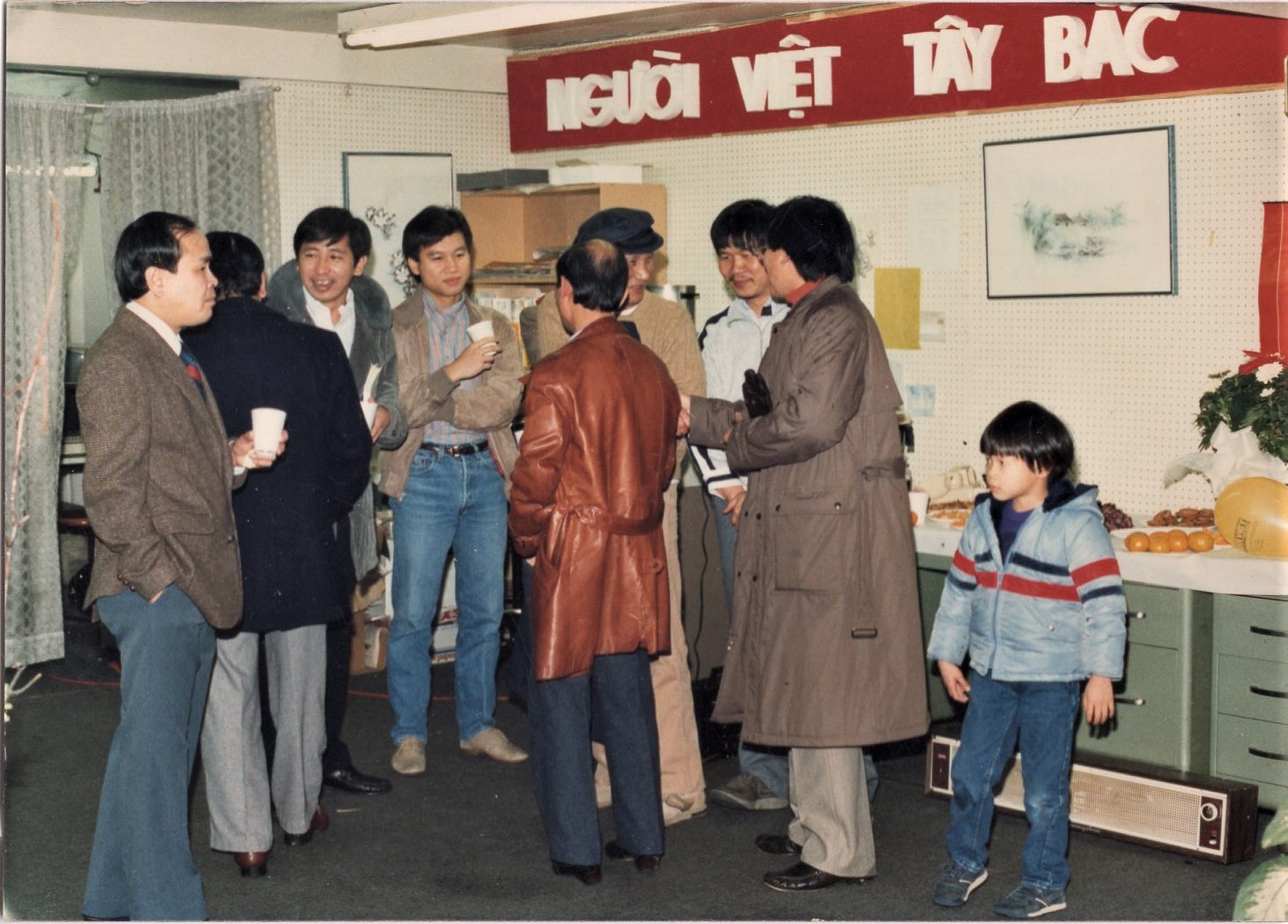
I hadn’t made the connection between my parents’ friendships and my own until I asked myself these questions. As the co-founders of the local Vietnamese newspaper, they were very involved in our immediate Vietnamese community. The line between personal and professional was thin. Many of my parents’ friends were entrepreneurs. Even the doctors and lawyers owned their own practices that served others in our refugee community. Being a friend meant supporting each other’s businesses. My brothers and I were always reminded when we went to a shop or a restaurant that it was owned by someone who advertised in the newspaper.
My parents taught me that friendship means helping each other out with whatever resources we have. This may include giving advice, making key introductions and referrals, and whenever possible, being customers. Many of my friends today are other entrepreneurs, creatives, founders, or have leadership roles at their organizations. We talk about work in the same way others talk about their hobbies or vacations. When it comes to other friends who don’t want to talk about work outside of work, I try to show respect by asking about their families and hobbies. Still, I like to be asked about CuriosityBased because my work is a core part of who I am.
What did you learn about friendship from those who raised you? How is that showing up in your expectations of respect in your own friendships now?
I’d love to hear from you. If you’re interested in having a one on one interview or participating in a focus group, please let me know.
Best,