Thanksgiving marks the start of the winter holiday season, which usually means gathering family and friends for big elaborate meals. Sometimes conversations during those mealtimes can be hard when we’re with people loved ones who have differing worldviews from us.
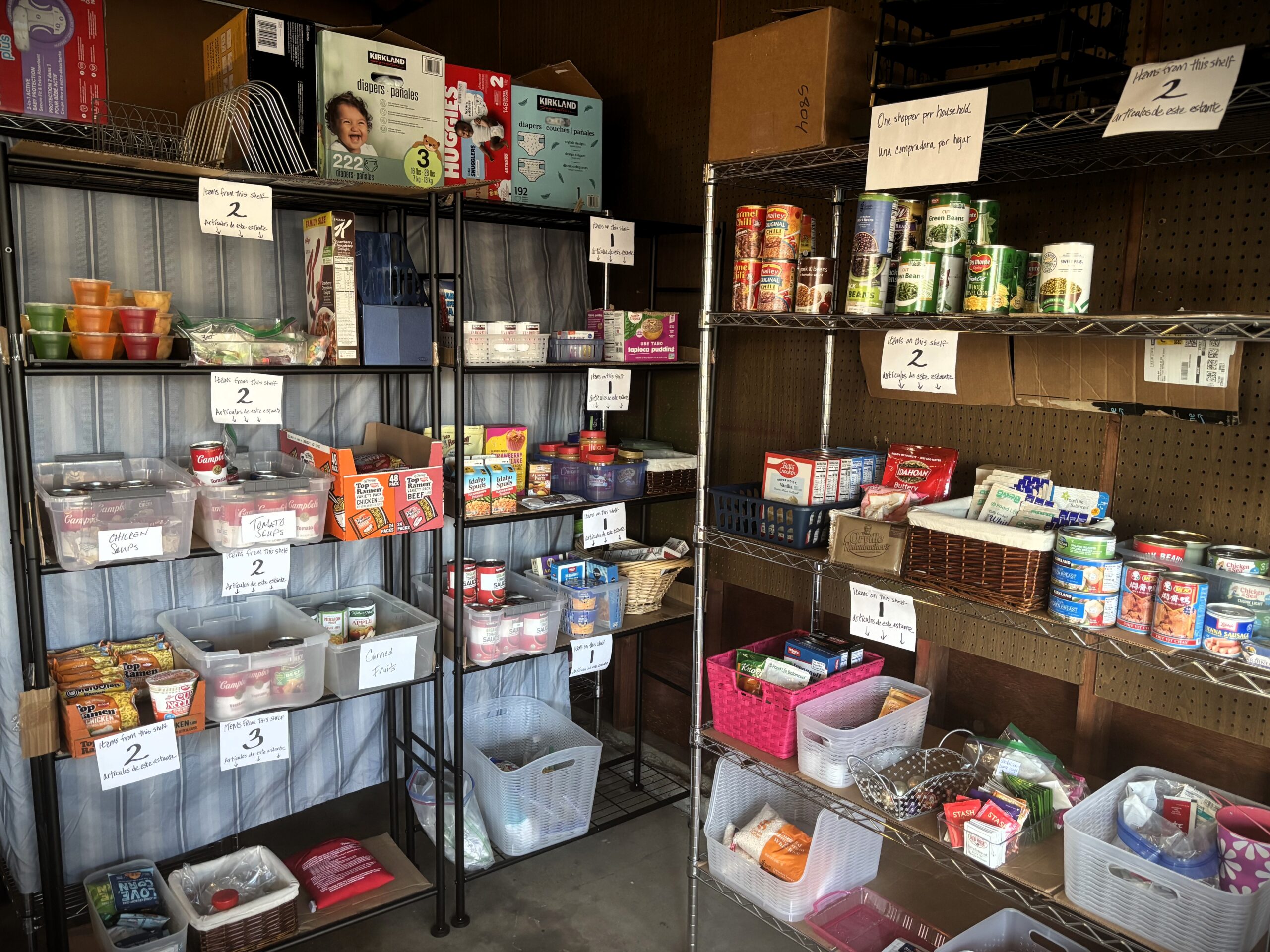
A few months ago, I was invited to kick off a two-day conference hosted by the Washington Food Coalition, which brings together hunger relief organizations in Washington state, where 10% of the population experiences food insecurity. Their work is personally meaningful to me because I used food banks as a kid and have relatives on food stamps now.
This gathering of over 300 conference attendees illustrated how a shared mission can be supported by so many different worldviews. Although we at CuriosityBased have supported team building at food banks such as Food Lifeline, Byrd Barr Place, and Emergency Food Network, I didn’t know how diverse the approaches to hunger relief could be.
When I asked how food banks refer to those they serve, I was told there is no consistency. They could be called “clients,” “customers,” “community members,” and “neighbors.” The word choice can reflect an organization’s approach to providing for those who use their services, which is often rooted in the resources available where they are located (i.e., urban, suburban, or rural) and whether they are largely led by paid staff or volunteers. There are also political, social, and religious influences.
Many nonprofits like to use the term “client” to emphasize how those served are getting professional support rather than charity. More and more food banks are trying to provide a grocery store experience so that people feel like “customers” who are shopping for their food. “Community members” emphasize that those who use the food bank are no different than anyone else. Faith-based food banks are more likely to use the term “neighbor,” reflecting the parable of the “Good Samaritan.”
I revised my keynote for the conference at the last minute to incorporate what I had learned about the different names for those who access food bank services. I was reminded by how the opportunity to get curious about what informs other people’s worldviews exists everywhere, even in our word choice. It’s a message we can take into this season when we are connecting with those who love us, even if we don’t agree with them.
Try to practice curiosity, even when it’s hard. Let me know how it goes. Also, please consider donating and/or volunteering at your local food banks.
Best,

Check out more CuriosityBased newsletters