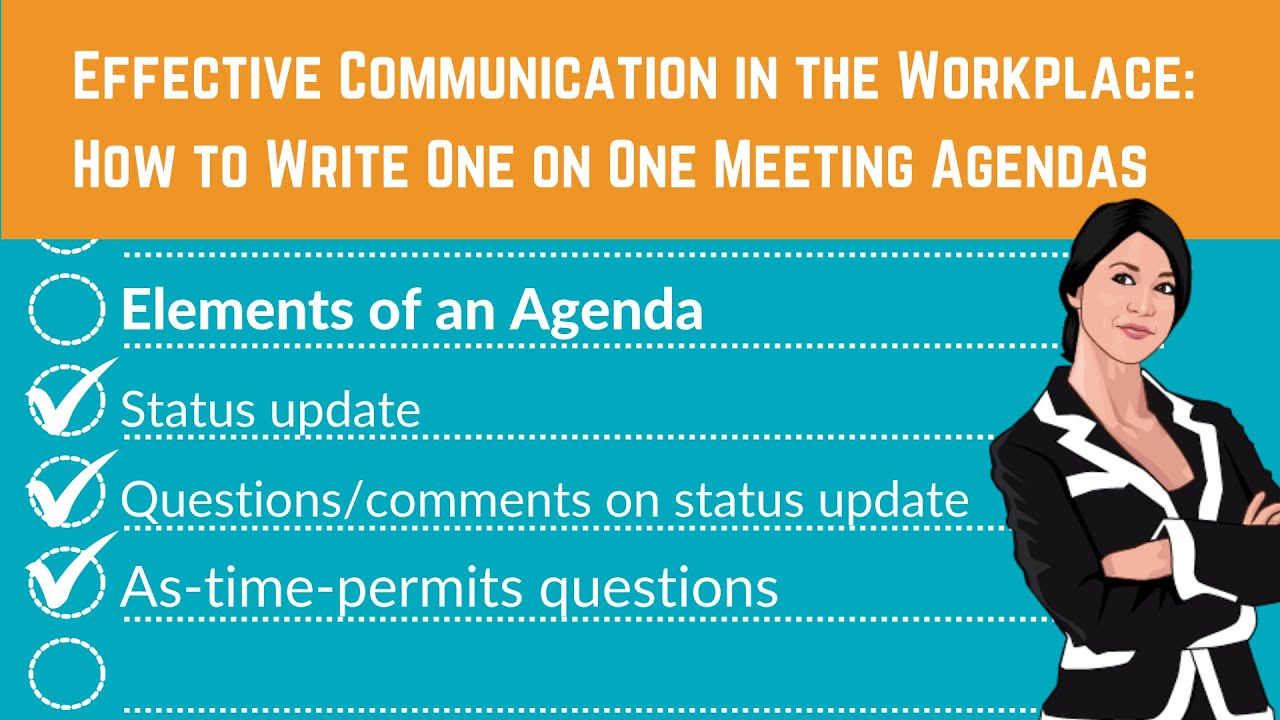
How to Craft an Effective Agenda for One-on-One (1:1) Meetings
Effective communication in the workplace is essential, especially during one-on-one (1:1) meetings between managers and team members. These meetings are opportunities to foster productivity, clarify goals, and build stronger working relationships. However, without a structured agenda, a 1:1 meeting can easily lose focus. Here’s how to craft one-on-one meeting agendas to make your 1:1 meetings more productive and impactful.
A) Start with a Status Update
Kick off the meeting with a status update to set the tone for the conversation. This demonstrates that you’re organized and prepared. Organize your tasks into three categories:
- Backlog/Not Yet Started
- In Progress
- Finalizing
This simple structure makes it easier to track progress, identify areas that need attention, and keep the discussion on track.
B) Questions and Comments on Status Update
After the status update, dive into specific questions or comments related to your progress. Use this time to address any current challenges or roadblocks you’re facing. For example, if you’ve encountered a problem with code, ask, “Who can assist with code-related issues?” Or if you’re planning an event, inquire, “Are there any dietary restrictions, or should I survey the guests?”
Additionally, share your discoveries and challenges:
- “Here’s what I found…”
- “I could use some help with…”
- “This is how I plan to apply what I’ve learned toward my goals…”
This allows for open communication and collaboration, ensuring any issues are resolved promptly.
C) Seek Feedback for Improvement
This section is crucial for personal and professional growth. Ask for feedback to ensure you’re meeting expectations and identify areas for improvement:
- “Am I meeting expectations?”
- “What can I improve?”
This helps foster a culture of continuous improvement, making it easier to align with team goals and organizational standards.
D) As-Time-Permits Questions
If there’s still time left in the meeting, use it to explore broader or open-ended questions. These can be questions you’ve prepared in advance for a deeper discussion. Examples include:
- “Why do we approach this task in this particular way?”
- “Considering today’s discussion, how should I approach similar tasks in the future?”
These questions encourage a reflective discussion that can lead to deeper insights and better decision-making.
This agenda structure is more than just a guideline; it’s a tool to facilitate engaging, insightful dialogues tailored to your professional growth. It aims to maximize every moment of the 1:1 meeting, turning the interaction into a platform for better understanding and actionable insights. As you prepare for your next 1:1, a well-crafted agenda will be your stepping stone towards a more meaningful and productive discussion.