

banner

4 Tips to Avoid Sounding Arrogant When Talking About Yourself

Self-promotion is an important skill in any professional setting. Being able to talk about your accomplishments helps others understand your value. However, it’s crucial to do this subtly and skillfully to avoid sounding arrogant or boastful. Here are four common mistakes people make when talking about themselves, and tips on how to avoid them.

1. Don’t Insert Self-Promotion Randomly

It’s completely fine to talk about your accomplishments, but make sure it’s relevant to the conversation. For example, if the conversation is about what everyone did over the weekend, it’s not the right time to mention that you won a Peace Prize three years ago. Randomly inserting self-promotion can make you seem out of touch and overly self-centered. Always ensure that what you share aligns with the context of the conversation.

2. Don’t Be Indirect or Coy

Omitting details or downplaying your accomplishments can backfire. This might seem like modesty, but it can be interpreted as false humility, which can come across as arrogant. For example, if the group is discussing where everyone went to college, and you say you studied in the Boston area without mentioning that you attended Harvard, it could be seen as trying too hard to appear humble. It’s better to be open about your accomplishments to avoid misunderstandings.

3. Don’t Give Unsolicited Advice

When talking about your achievements, focus on sharing what you learned rather than telling others what they should do. For example, saying, “I did this and learned X,” is much more impactful than “I did this and you should do it too.” Offering unsolicited advice can come off as preachy and arrogant. Keep the focus on your own experience and avoid imposing your opinions on others.

4. Don’t Give a Humble Brag

A humble brag is when you try to sound modest, but it ends up sounding like a brag in disguise. For instance, saying, “I wonder why I was chosen to lead this campaign when I have the least experience on the team,” is an indirect way of highlighting your success while pretending to be modest. Instead, simply say, “I was chosen to lead this campaign,” and let the facts speak for themselves.

Conclusion: Master the Art of Subtle Self-Promotion

Talking about yourself requires practice and self-awareness. By navigating these common mistakes, you can promote your accomplishments and avoid sounding arrogant. It’s all about balance—recognizing your achievements while remaining humble and considerate of others. For more tips on professional self-promotion, check out the video on how to promote yourself without bragging.

If you found these tips helpful, please like and share this post with others.

Hashtags:

#SelfPromotion #ProfessionalSkills #CareerDevelopment #HumbleBrag #LeadershipTips #WorkplaceCulture #PersonalGrowth #EffectiveCommunication #BusinessSuccess #LeadershipDevelopment


Admitting You’re Wrong at Work

Admitting you’re wrong at work can be challenging, but it’s an essential part of professional accountability. We all make mistakes, and acknowledging them not only shows personal responsibility but also fosters a culture where it’s okay to make errors and learn from them. Here are six tips to help you admit your mistakes gracefully, strengthen trust, and enhance respect within your team.

1. Directly Admit It

When you realize you’ve made a mistake, address it as soon as possible. Simply acknowledge the mistake and take responsibility for it. For example, say, “This happened, and I’m responsible for it.” Being upfront shows that you’re aware of the mistake and ready to own it without deflection.

2. Don’t Blame Others

Avoid placing blame on others, even if the situation was influenced by factors outside your control. Focus solely on your role in the mistake. Blaming others can undermine your credibility and erode trust within your team. Owning your part in the mistake strengthens your accountability.

3. Don’t Over-Explain

While it may be tempting to go into detailed explanations, avoid over-explaining. Providing too much information can come across as defensive and may make it seem like you’re making excuses. Keep your explanation brief and to the point, focusing on the fact that you made an error and what you plan to do about it.

4. Acknowledge the Impact

Acknowledge how your mistake may have impacted others. Be open to hearing their feedback and concerns, and invite them to share any additional effects you might not be aware of. Demonstrating empathy for how others are affected shows that you’re genuinely concerned about the team and willing to make things right.

5. Suggest a Solution

Once you’ve acknowledged the mistake, suggest a possible solution to address it. Then, invite feedback from others to see if your solution is the best one. By involving the team in finding a solution, you not only demonstrate problem-solving skills but also show that you value their input.

6. Use the Mistake as a Learning Opportunity

Talking about your mistake in other settings, such as team meetings, can signal that it’s okay to make mistakes as long as we learn from them. Sharing your experience openly with the team helps create a culture of accountability and growth. It shows that making mistakes is a part of the learning process and an opportunity to improve.

Conclusion: Strengthen Team Morale Through Accountability

Admitting you’re wrong at work and handling it with grace not only demonstrates accountability but also strengthens trust within your team. It signals that mistakes are opportunities for growth, and that learning from them is more important than perfection. By following these six tips, you can create a more open, respectful, and resilient work environment.

If you found these tips helpful, please like and share this post with others.

Hashtags:

#ProfessionalAccountability #WorkplaceCulture #Teamwork #LeadershipTips #Mistakes #GrowthMindset #WorkplaceWellness #TeamMorale #CareerDevelopment #AccountabilityAtWork

Perfectionism to Progress: Practical Ways to Let Go at Work

Title card for From Perfectionism to Progress

Perfectionism can be a significant barrier to progress in the workplace. While it’s often said that “perfection is the enemy of good,” many people, especially leaders, fall into the trap of striving for perfection, which ultimately slows down progress. Overcoming perfectionism is crucial for personal productivity and workplace wellness, as it sets a standard that may lead employees to feel pressured to aim for perfection, too. In this post, you’ll learn four practical ways to let go at work, break free from perfectionism, and focus on progress instead.

1. What Actually Matters?

One of the first steps to letting go of perfectionism is prioritizing what truly matters. For instance, when preparing for a presentation, focus on delivering useful and valuable information that will be easy for people to understand, rather than obsessing over the perfect image or font. By asking yourself what actually matters, you can set more realistic goals and ensure that your efforts are aligned with your audience’s needs, not unattainable perfection.

2. Do I Want to Invite Feedback?

Perfectionism often involves seeking approval rather than feedback. If you’re focused on being perfect, you may avoid getting feedback because it could highlight imperfections. However, it’s important to invite feedback to improve your work. For example, as you prepare a presentation, intentionally leave room for imperfection to allow others to provide constructive feedback. This not only helps improve your work but also fosters a culture of learning and growth within your team.

3. What Else Could I Be Doing with My Time?

Perfectionism is time-consuming and exhausting. Ask yourself: what else could you be doing with your time? For example, preparing a presentation might take 10 hours to reach a B+ level, and another 10 hours to reach A+. Instead of spending those extra hours perfecting small details, consider dedicating that time to other projects that will help the team’s collective work. Focusing on progress over perfection will increase productivity and reduce burnout.

4. What Are the Consequences of Not Being Perfect?

The fear of letting people down or being criticized often drives perfectionism. However, it’s important to recognize that being imperfect isn’t a disaster. In fact, when you show your own imperfections, it makes others feel more comfortable being imperfect, too. This openness promotes a healthier, more collaborative environment where progress is prioritized over unattainable perfection.

Conclusion: Embrace Progress Over Perfection

By asking these four questions—focusing on what truly matters, inviting feedback, considering how you use your time, and evaluating the consequences of imperfection—you can reduce perfectionism and improve productivity. Shifting your focus from perfection to progress will make work more enjoyable and less stressful for both you and your team.

If you found these tips on practical ways to let go at work, break free from perfectionism, and focus on progress instead to be helpful, please like and share this post. You can also read a more detailed version of this on our blog at CuriosityBased.

Hashtags:

#Perfectionism #ProductivityTips #WorkplaceWellness #CareerGrowth #PersonalDevelopment #Leadership #TimeManagement #Teamwork #WorkplaceCulture #ProfessionalGrowth

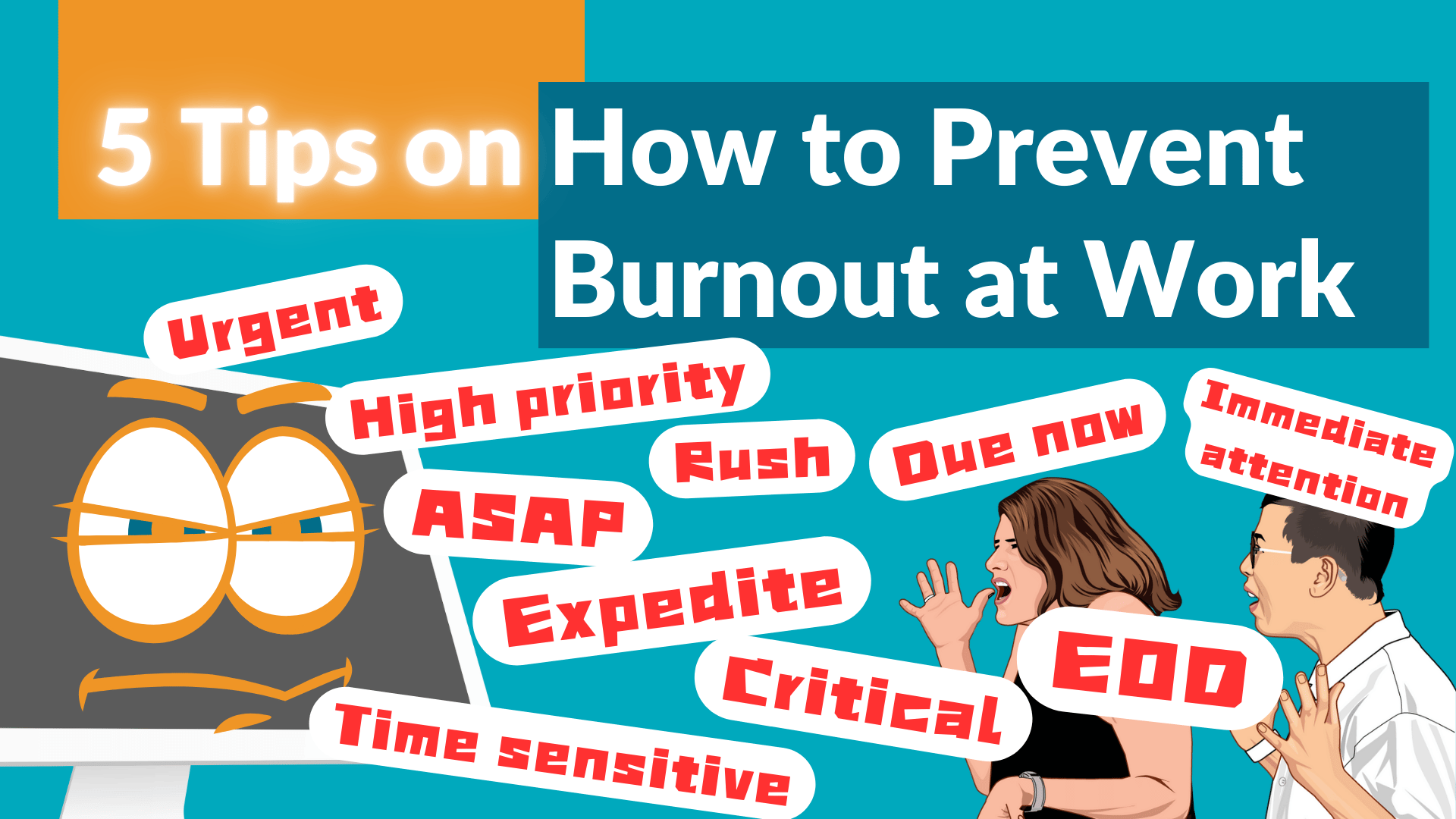
Five Practical Tips to Prevent Burnout at Work

Burnout is a real issue that affects productivity, team morale, and the ability to achieve organizational goals. Preventing burnout is essential as people are a company’s most valuable asset. Ensuring that your team isn’t overwhelmed or constantly on the verge of burnout will improve overall well-being and contribute to a healthier, more productive work environment. Here are five practical tips to prevent burnout at work.

1. Reduce False Urgency

False urgency is when employees feel constantly busy, yet they aren’t accomplishing much. They are reacting instead of being proactive. This constant sense of urgency can lead to burnout because it keeps people in a state of stress. To reduce false urgency, take time to set clear expectations and deadlines, and make sure that team members are working toward meaningful goals. Avoid creating an environment where everyone feels the need to rush without a clear direction.

For more information on this, check out a video on how to reduce false urgency at work. https://curiositybased.com/reduce-false-urgency-at-work/

2. Encourage Taking Breaks

Trust your team to manage their workload and encourage them to take breaks during the day. Regular breaks can help break up the monotony of the workday and refresh the mind. Whether it’s taking a lunch break, stepping outside for a walk, or running errands, allowing employees to take breaks can help prevent burnout. It’s important to also model this behavior by taking breaks yourself. Leading by example helps normalize taking time to recharge.

3. Make Time to Reflect, Connect, and Celebrate

Creating a culture of recognition and appreciation is crucial. Employees need to feel valued not only for their work but for their humanity. Regularly connecting with your team and celebrating milestones or achievements fosters a sense of pride and accomplishment. You can implement team-building activities or icebreakers to enhance the work environment and encourage meaningful relationships. Taking time to reflect on successes and challenges will help build a supportive and balanced workplace.

4. Have Companywide Breaks

At CuriosityBased, a companywide break is implemented every quarter where everyone takes time off to rest and recharge. While not all companies may have the resources to provide an entire week, implementing shorter breaks—such as a half-day or a day each month—can have a big impact. Alternatively, providing employees with paid time off on holidays can help them disconnect and rejuvenate, reducing the risk of burnout.

5. Have a Backup Plan

Sometimes, employees feel pressured to do everything themselves, believing they are the only ones who can get the job done. This can lead to burnout when employees feel that the work will fall apart without them. To prevent this, establish a clear backup plan. Let employees know that if they are absent, there’s a temporary solution in place. Whether that means pausing the work or delegating it to someone else, having a plan in place reduces stress and ensures continuity.

Conclusion: Preventing Burnout is Key

Burnout is a real issue, but it is far easier to prevent than to recover from. By applying these five tips—reducing false urgency, encouraging breaks, reflecting and celebrating achievements, scheduling companywide breaks, and having a backup plan—you can help your team avoid burnout and create a healthier work environment.

If you found five practical tips to prevent burnout at work to be helpful, be sure to share them with others and start applying them to your workplace!

Hashtags:

#PreventBurnout #WorkplaceWellness #HealthyWorkplace #EmployeeWellbeing #WorkplaceCulture #LeadershipTips #StressManagement #TeamWellbeing #Productivity #BurnoutPrevention

How to Reduce False Urgency at Work

False urgency occurs when people feel unnecessarily busy due to poor planning and unrealistic expectations. It’s easy to fall into a pattern where it feels like you’re always in a state of emergency, putting out fires instead of proactively preventing them. Here are three effective strategies for how to reduce false urgency at work and prevent burnout.

1. Set Realistic Expectations

The first step to reducing false urgency is setting realistic expectations. When planning a new project or campaign, it’s crucial to gather all the people involved and assess upcoming holidays, vacations, and other priorities. Don’t forget to consider any unknown factors, like new partners or processes, that could require extra buffer time. Setting clear expectations about deadlines is key.

It’s frustrating, when managers set unrealistic deadlines, such as needing something by Monday, although they won’t review the work until Thursday. It’s important to be realistic about when things need to be done. Setting realistic deadlines and response time expectations can prevent the sense of urgency that isn’t really necessary.Clear communication helps prevent misunderstandings and reduces unnecessary stress.

2. Communicate Response Time Expectations

When you don’t set clear expectations about response times, others may think a task is urgent when it isn’t. This can create unnecessary pressure for everyone involved. It’s important to be transparent about when you need something done and explain why it matters. Doing so will help others understand the urgency, or lack thereof, around a request.

3. Limit Off-Hours Communication

A lot of false urgency stems from around-the-clock communication. With technology making it easy to send emails and messages at any time, it’s easy to feel like you have to be “always on.” Dr. Pham suggests using technology to your advantage by limiting off-hours communication. For instance, if you’re working late and send an email at 11:00 p.m., it might create the expectation of a response immediately.

To manage this, use the “schedule send” feature on email.Schedule emails to be sent the following day when the workday starts. This helps set clear boundaries for work communication, ensuring it only takes place during work hours.

By following these three tips — setting realistic expectations, clearly communicating response times, and limiting off-hours communication — you can reduce false urgency at work and prevent burnout at work.

If you found these tips helpful, don’t forget to like and share this post! 

How to Plan an Interactive Online Experience: Essential Logistics

Planning an interactive online experience requires thoughtful preparation and attention to detail. Whether you’re hosting a workshop or creating content, the logistics of an online event can make or break the experience. In this post, you’ll find three essential tips on how to plan an interactive online experience to help ensure smooth event management and make your online event a success.

1. Test the Technology

Technology is always evolving, and what worked last month might not work the same way this month. That’s why testing the technology beforehand is crucial. Make sure your slide deck displays correctly, the sound quality is clear, and the polls are functioning properly. To get a complete picture, launch your presentation from your computer and then call in using your phone. This allows you to experience the event from a user’s perspective and helps you identify any issues that could arise.

2. Schedule a Rehearsal

Rehearsals are essential for any online event. If you’re working with others to facilitate the event, schedule a rehearsal to go through the flow of the event. This allows you to clarify who will speak when, work out transitions, and make last-minute adjustments. If you’re facilitating solo, try rehearsing with coworkers or asking a friend for support. A rehearsal helps you get comfortable with the setup and ensures everything runs smoothly during the event.

3. Set Up Guidelines for Participants

To ensure full participant engagement, provide clear guidelines. This can include instructions embedded in your slides or a follow-along document. If you anticipate that your audience may be unfamiliar with the technology, consider offering a quick demo or adding slides that explain the features they’ll need to use during the event. Having these resources ready makes it easier for participants to follow along and engage in the experience.

Conclusion: Planning a Successful Online Experience

By following these three tips how to plan an interactive online experience —testing technology, scheduling rehearsals, and providing participant guidelines—you’ll be well on your way to creating a smooth and successful online event. These strategies will help you design engaging and interactive online experiences that leave a lasting impact. If you’re interested in diving deeper, consider exploring courses on Mastering Interactive Online Experience Design.  Start learning how to create even more successful online events today.

If you found this post helpful, please like it and share it on social media. Happy planning!

Managing Planned Employee Transitions

Employee transitions, especially planned ones, can be challenging for any organization. Whether an employee is leaving for a new opportunity or going through a personal change, preparing for a transition can ensure a smoother process for both the departing employee and the remaining team members. Here are six practical tips to managing planned employee transitions.

1. Start Redistributing Tasks Early

As soon as you know an employee will be transitioning, start redistributing their tasks. Identify what the employee currently does and reassign it to others. This gives your team members time to ask the exiting employee questions about the role, which helps ease the transition. By doing this early, you also allow others to step into new responsibilities and feel empowered during the change.

2. Reduce Non-Essential Work

If the departing employee was involved in many meetings or standing committees, consider relieving them of non-essential work. This will allow them to focus on their primary responsibilities during the final weeks, without the added pressure of commitments they won’t be able to continue after leaving. It also prevents team members from having to attend unnecessary meetings post-departure.

3. Create a Detailed Handover Document

A comprehensive handover document is key to ensuring a smooth transition. Collaborate with the departing employee to capture everything that the new person will need to know. Don’t wait until the last day to create this document. Take the time to revisit it together, making sure it covers all important tasks and procedures.

4. Collaborate on the Transition Plan

Creating a transition plan shouldn’t be a solo task. Dr. Pham recommends drafting the initial plan and then inviting input from remaining team members. This collaborative approach not only empowers employees but also ensures they feel invested in the transition. Their input may lead to valuable ideas and solutions that may not have been considered initially.

5. Conduct an Exit Interview

An exit interview offers a chance for both the departing employee and the manager to exchange constructive feedback. It’s an opportunity for the employee to reflect on their time with the company, and for the manager to learn about what worked well and areas for improvement. Conducting an exit interview can provide insights that help improve future transitions.

6. Host a Goodbye Party

A simple goodbye party—whether in person or virtual—can go a long way in creating closure. A brief 30–45 minute virtual gathering with colleagues can express gratitude and say their farewells. At CuriosityBased, we also create goodbye videos highlighting the contributions of the departing employee, which serves as a keepsake for them and adds a personal touch to the farewell.

Bonus Tips for a Smoother Transition

1. Create a Goodbye Message:

Invite the departing employee to write a letter to their colleagues, clients, and vendors. In the message, they can share what they are proud of accomplishing, what they’ll miss, and what’s next for them. This helps prevent speculation about the departure and honors the employee’s contributions.

2. Overlap Time with the New Employee:

If budget allows and the replacement is known in advance, try to create overlap time between the departing employee and the new hire. This allows for offboarding and onboarding to happen simultaneously, making the transition smoother for everyone involved.

Employee transitions are always stressful, but with these strategies, you can reduce the disruption and ensure a smooth and productive transition for both the team and the departing employee. By preparing early, communicating clearly, and providing closure, you can help everyone involved navigate the change with confidence.

We hope these tips help you manage your next employee transition with ease. If you found this post useful, please like and share it!

How to Promote Yourself Professionally Without Bragging

Talking about your accomplishments is an important part of career growth. However, it can feel uncomfortable or awkward, especially when you don’t want to come across as bragging. Dr. Julie Pham shares five practical tips on how to promote yourself professionally without bragging and in a humble and impactful way. These strategies allow you to share your achievements without feeling boastful, helping you gain recognition and build stronger connections in your career.

1. Focus on the Impact

When sharing an accomplishment, shift the focus to the impact it had on others. For example, rather than just saying “I created a business development program,” talk about how it helped generate new revenue and customers for 10 independently owned restaurants. By highlighting the results and the benefits to others, you demonstrate your value without sounding self-centered.

2. Share a Lesson Learned

Talking about a lesson you’ve learned not only shows your growth but also adds value to the listener. Dr. Pham shares her experience of creating a program to connect people across different industries. In the process, she learned how to tailor her communication style to suit different audiences. By framing your accomplishments as learning experiences, you make your success relatable and valuable to others.

3. Share the Glory

When discussing your achievements, it’s a great opportunity to give credit to others involved. For example, Dr. Pham mentions how she created a program with three other inspiring entrepreneurs. By sharing the credit, you show that you value teamwork and collaboration, which also makes your accomplishment feel more genuine and grounded.

4. Share Why It Matters

When talking about your accomplishments, explain why it’s meaningful to you. Sharing the personal significance behind an achievement allows you to connect with others on a deeper level. Dr. Pham, for example, is proud of earning a graduate degree because no one in her family went to college. Providing context and showing what you value makes your accomplishments more relatable.

5. Share What Others Have Said

You can also promote yourself by referencing positive feedback you’ve received from others. For instance, Dr. Pham shares how many audience members have told her that her keynote was meaningful. This provides external validation and reinforces your achievements without you having to say much about it yourself.

Conclusion: Promoting Yourself with Confidence

Promoting yourself can be difficult, but sharing your accomplishments adds value to a conversation and helps others get to know you better. It’s not about bragging—it’s about showcasing your contributions and experiences in a way that builds connection and recognition.

If you found these tips helpful, please like and share this post! You can also check out our video on four tips to avoid sounding arrogant 

Hashtags:

#CareerGrowth #ProfessionalDevelopment #SelfPromotion #PersonalGrowth #ConfidenceBuilding #CareerTips #Networking #WorkplaceSuccess #HumbleConfidence #Leadership

Seven Free Ways to Boost Your Creativity and Learn New Things

7 Free Ways to Boost Your Creativity and Learn Something New

If you’re looking to open yourself up to creative inspiration, here are seven free ways to boost your creativity and learn something new. These simple activities can spark fresh ideas and help you engage with the world around you in a new way.

1. Volunteer for an Unfamiliar Organization

Volunteering for a cause outside of your usual interests is an excellent way to expand your perspective and learn. Dr. Julie shares her experience volunteering with an organization that brings visitors to prisons. During her time at Monroe prison, she had meaningful conversations with incarcerated individuals, gaining incredible insights into the prison system and justice. Volunteering in unfamiliar settings can broaden your knowledge and inspire creative thinking.

2. Browse the Library’s “How-To” Section

The library is a goldmine for learning new skills—especially practical ones. Check out the “how-to” section to pick up a book on home maintenance or another topic that sparks your curiosity. Libraries offer free access to a wide variety of knowledge and skills, providing countless opportunities for creative learning.

3. Go for a Phone-Free, GPS-Free Walk in an Unknown Area

Take a walk in a new part of town without your phone or GPS. This forces you to engage your mind, look for landmarks, and navigate without technology’s help. If you get lost, you’ll have to ask for directions, turning the experience into a fun and interactive way to engage with your surroundings.

4. House Sit in a Different Neighborhood

House sitting offers a unique way to experience new environments without spending money. Look for house-sitting opportunities in different neighborhoods or house styles than you’re used to. It gives you the chance to immerse yourself in a new setting, see how others live, and embrace the experience of living in a different space for a while.

5. Talk to a Stranger

Stepping out of your comfort zone and talking to someone you don’t know can be a source of new ideas and inspiration. Unexpected conversations can offer valuable insights, historical context, and creative sparks that you might not otherwise encounter.

6. People Watch

Engage in people-watching to boost your creativity. Visit a local park, community center, or shopping mall and observe the interactions around you. As an amateur anthropologist, you’ll notice body language, behaviors, and social dynamics that can inspire new ideas. This simple activity can provide a fresh perspective on human behavior and inspire creative thinking.

7. Play Tourist in Your Own City

Tourism doesn’t have to mean traveling far. By playing tourist in your own city, you can gain a fresh perspective on familiar places. Explore with the eyes of an outsider, rediscovering hidden gems and new spots in your area. This shift in perspective can be eye-opening and inspire new creative ideas.

We hope these tips help you break out of your routine, embrace new experiences, and spark your creativity. If you found this post useful, please like and share it!

Also, check out her video on How to Be a Tourist for Cheap in Your Own City  for more inspiration.

How to Be a Tourist for Cheap in Your Own City

Whether you’re looking for new experiences, preparing for an upcoming staycation, or hosting out-of-town visitors, these low-budget travel activities can help you enjoy how to be a tourist for cheap in your own city.

1. Start with a Guidebook

Find a tourist guidebook for your city. These books often list activities and provide a price range for each. Just be sure to check that the prices are current, as they may change over time.

2. Check the Local Newspaper’s “Things to Do” Section

Your local newspaper will likely have a “Things to Do” section, which includes updates on upcoming events. These events will often include the cost, helping you choose options that fit within your budget.

3. Visit a Local Historical Society

Many cities have historical societies, and some even have multiple options. In Seattle, for example, the Southwest Seattle Historical Society offers pay-what-you-can pricing, making it a great low-cost way to learn about the city’s history.

4. Take the Local Bus for a Tour

Take a ride on the local bus and explore your city from a new perspective. If your city has a Hop On, Hop Off bus for tourists, Dr. Pham recommends it as a low-cost and time-efficient way to see many attractions quickly. These buses often include audio tour explainers, adding an extra layer of enjoyment to the experience.

5. Treat Yourself to a Local Food Specialty

You don’t have to go to a fancy restaurant to experience local food specialties. Instead, buy a popular food item from a market or street vendor. For instance, in Seattle, you can purchase candied smoked salmon by the pound at Pike Place Market or enjoy a Seattle hot dog topped with cream cheese.

We hope these budget-friendly tips help you start to explore how to be a tourist for cheap in your own city. If you found this post helpful, please like and share it! Also, be sure to check out our post on How to Be A Tourist for Free in Your Own City

Gift Giving: Which is better – spending money or time?

When it comes to gift giving – which is better spending money or time? Gifts of service and gifts that cost money each have pros and cons. Thoughtful gift-giving of either can deepen relationships. Dr. Pham walks through the benefits and challenges of both approaches.

Monetary Gifts: The Pros and Cons

Pros of Gifts that Cost Money

  1. Convenience: Monetary gifts are easy to buy and ship online.
  2. Tangibility: Physical gifts are clear, and easy to wrap and present.
  3. Luxury: Monetary gifts let you buy something the recipient wouldn’t normally treat themselves to.
  4. Practical Use: You can purchase something the recipient needs, like a baby registry item.

Cons of Gifts that Cost Money

  1. Gift Selection Stress: Finding the perfect gift can be stressful.
  2. Disappointment: The recipient might not like the gift, which is why a gift receipt is helpful.
  3. Budget Worries: You may feel tempted to overspend, going beyond your budget.

Gifts of Time and Service: The Pros and Cons

Pros of Gifts of Time and Service

  1. Personal: Time-based gifts are often unique and more personal.
  2. Strengthening Relationships: Spending time with the recipient deepens the relationship.
  3. Affordable: If you have more time than money, this gift can be meaningful without the cost.
  4. Meaningful for Those Who Have It All: Time-based gifts are valuable to people who can buy what they want.

Cons of Gifts of Time and Service

  1. Intangible: Time gifts may not feel as clearly like a gift.
  2. Unexpected Time Commitment: The task may take longer than anticipated.
  3. Risk of Exploitation: Some may take advantage of your time and ask repeatedly for favors.

Deciding Between Time and Money Gifts

Choosing between time or monetary gifts isn’t easy. Weighing the pros and cons of both helps you decide. Thoughtful gifts, whether time or money-based, strengthen bonds.

We hope these tips help you decide on your gift giving – which is better spending money or time for your loved ones or colleagues. If you found this post useful, please like and share it!

How to Embrace Failure

We all fail sometimes, but learning how to embrace failure can lead to growth. Failure is not the end; it’s a stepping stone to success. Three mindset shifts are crucial as you prepare for potential failure, endure it during the process, and recover from it so you can grow stronger. Whether struggling with setbacks in work, relationships, or personal goals, these strategies will help you get stronger, overcome failure, and reframe success.

The Three Stages of Failure

There are three stages to failure: before, during, and after. Each stage requires a different mindset to handle it effectively.

1. Before Failure: Preparing for the Risk

Before taking a risk or starting a new project, it’s natural to focus on what you want to achieve and your goals. But pause to ask yourself: What will I learn, even if I don’t achieve my goals? This shift in mindset allows individuals to approach challenges with the understanding that learning from failure is just as valuable as succeeding.

2. During Failure: Embracing the Struggle

During failure, when things seem to be falling apart, it’s easy to feel overwhelmed and unsure how to solve the problem. At this point, take a moment to ask: What is this problem teaching me? This mindset helps individuals focus on the lessons being learned rather than fixating on the failure itself, turning the struggle into an opportunity for growth.

3. After Failure: Sharing and Growing

After a failure, when feelings of embarrassment or shame arise, the natural response is often to withdraw. However, it’s important to share stories of failure with others. Vulnerability can be incredibly powerful, and by sharing your experience, you can help others learn and grow as well. This models a growth mindset—showing that failure is an opportunity for self-improvement and personal development.

We hope these three mindset shifts for each stage of failure help individuals navigate their own challenges. If you found this video useful, please like and share it with others!

Four Simple Tips to Making Friends at Work

Building meaningful friendships in professional environments can be tricky, but it’s definitely possible. Read on for four simple tips to making friends at work. You’ll learn how you can form friendships at work, blend your work and personal life without making things messy, and navigate the challenges of turning colleagues into friends.

Friendly vs. Friends

First, let’s clarify the difference between being friendly and being friends. Being friendly means being approachable and kind at work. But being friends involves having a relationship outside of work. You can be friendly with everyone, but you don’t have to be friends with everyone. I recommend forming friendships at work only with people who are on the same level as you—meaning you don’t report to them, and they don’t report to you.

If you want to become friends with someone who either reports to you or you report to them, it’s best to wait until you’re no longer working together to form that friendship. The power difference can overshadow the friendship, especially in the beginning. However, if you had a friendship before working together, it’s different. You’ve already experienced equality in your relationship, and you can set clear boundaries between work time and personal time.

Four Simple Tips for Making Friends at Work

1. Start Slow
Don’t rush into trying to become someone’s best friend right away. Take your time to see if there’s chemistry and if you can have meaningful conversations before exploring the possibility of a friendship outside of work.

2. Invite Them to a Group Non-Work Event
This is a low-pressure way to test if they’re interested in spending time together outside of the office. Invite them to a group event like a public concert or neighborhood festival. They can bring someone along, making it even more relaxed.

3. Talk About What You’re Learning at Work, Not Just What You Do
Since the friendship will be rooted in the workplace, it’s natural to talk about work. But you don’t have to only discuss tasks. For example, share what you’re learning from a project or new experiences at work. This can make your conversation feel more personal and less about work itself.

4. Avoid Gossiping About Others at Work
Gossiping about colleagues can lead to trust issues. If you gossip, your new friend might wonder if you’ll gossip about them too. Keep the conversations respectful and positive to build trust.

We hope these tips help you break the ice, establish trust, and form lasting friendships at work.

You can also check out our video on five proven strategies to stop gossip at work for more insights.

Low-Budget Ways to Spark Creativity and Learning

Are you looking to boost your creativity without breaking the bank? You don’t need to spend a lot of money to learn new things. Here are five low-budget ways to spark creativity, immerse yourself in new experiences and open up to learning from life.

1. Ride the Local Bus

Take a local bus ride. This costs only a few dollars. The purpose here isn’t just transportation, it’s about touring your own city. Pay attention to the different stops and the passengers you encounter. Choose a local bus with many stops instead of an express bus. If you have extra time, consider taking three different buses from end to end across three major transit centers. This way, you can start and stop in the same place while exploring three distinct regions in your area.

2. Get Creative with Arts and Crafts

You don’t need to visit an expensive arts and crafts store. Instead, head to a thrift shop and see what treasures you can find. Based on what you discover, create something unique with the materials available to you.

3. Visit a Museum

Check out local museums that offer “pay what you can” days or even free admission. If you can, invest a few extra dollars in an audio tour. You’ll gain so much more insight than what’s simply available on the walls.

4. Experiment with Cooking

Try cooking a classic dish in different ways. This will only cost you the price of basic ingredients. Even if you’re not a great cook – that’s okay! The goal is to explore different methods for preparing one dish. For example, make fried rice and experiment with three, four, or even five different recipes. You can use recipes or just create your own variations.

5. Play Tourist in Your Own City

Put yourself in the mindset of a tourist and explore your own city. This fresh perspective can lead to new discoveries. Check out our other video on how to be a tourist on a low budget in your own area for more ideas.

We hope these low-budget activities help spark your creativity and inspire you to learn! If you found this video useful, please give it a like and share it!

Explore Your City as a Tourist — For Free!

Do you want to explore your city like a tourist without spending a dime? Maybe you’re looking for new experiences, preparing for a staycation, or entertaining an out-of-town visitor. Whatever your reason, we’ve got some great tips to explore your city as a tourist — for free!

Here are some ways to get you on your way to explore your city as a tourist — for free!

1. Check a Guidebook

Start by consulting a guidebook like Lonely Planet. These books often list activities, including both paid and free options. For example, in Seattle, there’s the Fremont Troll, a popular sight located right under a freeway ramp.

2. Visit Local Parks Department Websites

Check the websites of your local parks department. They usually have information about the different parks in the city. You can also visit local chambers of commerce or convention center websites, which often have event calendars listing free community events.

3. Read the Local Newspaper

Look through the activities section of your local newspaper. They frequently list upcoming events, including those that are free to attend.

4. Visit Galleries on First Thursdays

Many art galleries offer free admission on the first Thursday of each month. This is a great way to experience local art without spending any money.

5. Explore University Campuses

Visit a local university campus. They often have exhibits that showcase the university’s history, which is often tied to the city’s history as well.

6. Discover Chinatown or Ethnic Enclaves

If your city has a Chinatown or other ethnic enclaves, be sure to visit. You can immerse yourself in rich cultural experiences just by wandering through the neighborhood.

7. Tour the Main Library

Don’t forget to visit your city’s main library. The architecture itself often tells a story about the city, and many libraries have free exhibit spaces that you can explore.

We hope these tips help you play tourist in your own city for free! If you found this video useful, please give it a like and share it!

Mastering Delegation: How Leaders Can Manage Their Energy by Letting Go

Many leaders often feel overwhelmed and overworked because they struggle to delegate effectively. One way to ensure optimal energy levels is by identifying which parts of your work drain your energy and which ones boost it. This awareness allows for thoughtful delegation. Here Dr. Julie Pham shares three tips on how leaders can master delegation and manage energy by letting go.

 Three tips to help you master delegation:

1. Ask Your Team About Their Preferences

Start by asking your team members which parts of the work they enjoy and which tasks drain their energy. This insight allows you to redistribute tasks accordingly. For instance, some people dislike internet research, finding it very draining. However, you may discover that some team members actually enjoy it, allowing for a more effective distribution of work.

2. Frame Energy-Draining Tasks as Leadership Opportunities

When faced with tasks that are particularly draining, try framing them as opportunities for leadership. Invite team members to volunteer for these tasks by highlighting the benefits. For example, while Dr. Julie doesn’t enjoy event planning, she recognizes it as a valuable skill. She offers it up by saying, “Who wants to plan this major upcoming event?” This approach encourages learning and growth within the organization.

3. Rotate Responsibilities

For tasks that everyone finds draining, consider rotating responsibilities among team members. This ensures that no single person is burdened with the task. For example, rotating the role of note-taker during meetings can help share the workload.

As a leader, it might be tempting to shield your team from energy-draining work by taking it on yourself. However, this isn’t the best use of your time or energy.

We hope you found these tips useful in your leadership journey. If you did, please click like and share this video!

Effective Presentation Tips for TEDx Success

Before delivering her first TEDx talk on curiosity as a practice, Dr. Julie Pham spent over ten weeks drafting around 30 different versions and practicing with more than 70 people. This post will help you learn some of Dr. Julie’s effective presentation tips for TEDx success. Let’s dive into her insights!

Effective Presentation Tips for TEDx Success

Getting Feedback

  1. Know What Kind of Feedback You Want
    Determine whether you want general feedback, content feedback, or delivery feedback. This clarity helps you ask for what you need. For example, if you’re in the early stages of writing, you might say, “Please focus on my content, not my delivery.” Once you finalize your speech, you can shift to asking for delivery feedback.
  2. Practice as Much as Possible
    The more you practice, the more comfortable you’ll feel. Many people watch TEDx talks and believe they’ll never give one. They often feel honored when you ask them to listen to your practice sessions. Sometimes, you can casually run your talk by a friend over the phone.
  3. Organize Rehearsal Sessions
    Schedule rehearsal sessions, whether in-person or virtual. Dr. Julie conducted four virtual rehearsals and provided feedback surveys to participants. This approach gathered a lot of feedback at once and made people feel involved in the process.

Content Development
  1. Stick to One Message
    While you may have many ideas, focus on sharing just one key idea in your talk. Remember, you can share other ideas in different contexts later.
  2. Create a Visual Model
    Abstract concepts can be challenging to grasp in a short timeframe. Develop a visual model to clarify your message. Dr. Julie used a model representing the gap between expectations and reality, which was illustrated in her slides.
  3. Cite Your Own Evidence
    Instead of filling your talk with third-party research, rely on your own experiences and evidence first. This personal touch can make your message more authentic.
  4. Use Your Own Words
    Avoid quoting others unless their words perfectly express what you want to convey. Use your own language confidently—this is your talk.

Delivery

  1. Memorize the Talk
    While memorizing can be challenging, internalizing your message boosts your confidence on stage. Strive to deliver your talk from memory.
  2. Don’t Move and Talk at the Same Time
    This can be distracting, so practice separating movement from speaking. If you need to move, do so first, then stop and deliver your message.
  3. Use Your Body to Illustrate Your Point
    Consider how to use body language to enhance your message. In her talk, Dr. Julie moved her body to illustrate the gap between expectations and reality.

We hope these ten TEDx tips will help you improve your public speaking and presentation skills. Let us know how it goes!

What to Do When You Are Out of Ideas

Everyone faces mental blocks, no matter what work they do. Sometimes, you need to reignite your creativity. Dr. Julie Pham shares valuable tips for what to do when you are out of ideas to overcome these mental blocks, find inspiration from new sources, and break away from routine thinking. 

8 Tips to Spark Creativity When You’re Out of Ideas

1. Say Yes

Start by saying yes to something you would typically decline. Dr. Julie recalls receiving an invitation to visit a prison, which initially seemed odd to her. However, since she was struggling with writer’s block, she agreed. The experience transformed her thinking, and she left with a wealth of ideas to write about.

2. Visit a Different Museum

Try going to a museum you wouldn’t usually visit. If you typically go to art museums, check out a history museum instead. For example, if marine life doesn’t interest you, visiting a marine museum might inspire new ideas.

3. Keep Your Phone Off

You might be surprised how much your phone can hinder creativity. Dr. Julie dedicated a week to writing while keeping her phone off during the day. She didn’t turn it on until she finished writing, and by the end of the week, she had written 25,000 words!

4. Set a Goal for New Observations

When attending an event, set a goal to notice a specific number of new things. For instance, while on a walk, challenge yourself to notice ten new things. Recently, Dr. Julie discovered a cluster of white mailboxes on her street and a few houses down, another cluster of black mailboxes. This made her wonder why that was the case.

5. Take a Nap

Sometimes, all you need is some sleep to recharge your brain. Dr. Julie often gets great ideas when waking from a refreshing nap.

6. Re-read Your Favorite Book

Consider reading a book you love again. Afterward, write down everything you like about it and also note any things you don’t like.

7. Reconnect with an Old Friend

Talk to a friend you haven’t seen or spoken to in a long time, preferably over a year. They might provide you with fresh perspectives.

8. Try a Different Format

Finally, express yourself in a format different from what you usually use. If you’re a writer, try giving a speech. If you’re a musician, consider doodling.

We hope these strategies help you come up with fresh ideas when you hit a mental block. If you found this useful, please click “like” and share it! 

5 Simple Ways to Build Strong Relationships at Work

Building strong relationships at work is essential for creating a positive environment and enhancing collaboration. Whether you’re new to your workplace or looking to deepen existing connections, Dr. Julie Pham shares these 5 simple ways to build strong relationships at work that will help foster a supportive and productive work atmosphere. These strategies are effective regardless of your role in the organization—whether you’re a leader, manager, or a team member.

5 Simple Ways to Build Strong Relationships at Work

1. Make Time for Connection

To strengthen your relationships, prioritize making time for connection. Ask open-ended questions instead of closed ones. For example, instead of asking, “How was your weekend?” you could ask, “What did you do over the weekend?” This encourages your colleagues to share specific experiences, fostering a more engaging conversation. For more tips on effective communication, check out our video on five proven icebreakers for team building.

2. Celebrate the Wins

It’s easy to get caught up in the daily grind, but don’t forget to celebrate your wins. Take the time to congratulate and acknowledge your colleagues for a job well done. Be specific in your praise, as this makes your acknowledgment more meaningful.

3. Ask for Help

Don’t hesitate to ask for help, especially from those who aren’t obligated to assist you. This can increase opportunities for collaboration and shows that you are willing to be vulnerable. It can be difficult to ask for help, but doing so can strengthen your relationships. For additional insights, check out our video on reframing asking for help as a way to deepen relationships.

4. Share What Influences You

Whenever relevant, share what influences your approach to work. For instance, you might say, “I grew up in an immigrant household where wasting resources was discouraged.” This context can help your team understand your perspective, especially during discussions like budgeting season.

5. Give Constructive Feedback

While it may seem counterintuitive, giving constructive feedback can actually strengthen relationships. When delivered with the intention of improvement, feedback shows that you care about your colleagues and want everyone to succeed.

We hope you find these tips helpful in building stronger relationships at work. If you did, please click like and share this post!

5 Budget-Friendly Gift-Giving Ideas at Work

Drawing from her experience running her family’s newspaper during the Great Recession, to managing her own small business with a remote team, Dr. Julie Pham knows how to make the most of limited resources. Here she shares 5 budget-friendly gift-giving ideas at work. 

The spirit of gift-giving during the holiday season is all about demonstrating appreciation for employees’ hard work. Gifts can also strategically reinforce company culture and values, foster a sense of belonging, encourage curiosity, and facilitate sharing.

However, for many small business owners, company-branded swag, big bonuses, and fully catered meals are often out of reach. If you have a limited budget, here are 5 budget-friendly gift-giving ideas at work to support your team, regardless of its size.

5 Budget-Friendly Gift-Giving Ideas at Work

1. Make Time for Intentional Connection

Set aside time during the workweek for team members to connect. This is particularly effective for remote teams or as an alternative to an in-person holiday party. Consider sending gift cards so everyone can grab something to eat or drink during this time together. A simple 60-minute virtual session with breakout rooms can prompt deep discussions and meaningful connections.

2. Host a Potluck

If you prefer an in-person meal, organize a potluck. Sponsor the drinks and the main dish, and ask everyone else to contribute other items based on their budget. This not only showcases culinary skills but also sparks conversations around the dishes brought. Be sure to welcome store-bought contributions as well.

3. Organize a Stuff Swap

Instead of Secret Santa or White Elephant exchanges, which require employees to spend their own money, consider a stuff swap. Employees can bring new or gently used items that their coworkers might enjoy. Any unclaimed items can be donated to charity, making it a great green gift-giving strategy.

4. Donate to Charity

Make a donation to a charity of each employee’s choice. Instead of providing a list of charities, allow them to decide where their dollar goes. This can be any amount, as every contribution is meaningful. Encourage employees to share their chosen charity, helping you learn what matters to them, whether it’s the Humane Society, their temple, or their children’s PTSA.

5. Use Credit Card Points for Gifts

Utilize your credit card points to purchase gift cards. This method can reinforce company values. For instance, Dr. Julie uses her points to give Amazon gift cards, allowing team members to support something they want to try out or learn. One team member even used hers to buy calligraphy materials for practicing lettering.

6. Ask Your Team for Ideas

Don’t feel you have to come up with all the solutions alone. Share your budget with your team and ask for their input. When Dr. Julie did this, one team member suggested organizing a virtual escape room and took care of the research and booking.

We hope you find these simple, budget-friendly work gift ideas helpful. If you did, please click like and share this video!

Making a Lasting Impression: Unique Ice Breaker Questions

There’s a common misconception that making a lasting impression requires talking a lot. However, asking meaningful questions encourages others to open up and share their stories. This can have a far greater impact than what we say about ourselves. Check out our video on “Making a Lasting Impression: Unique Ice Breaker Questions.”

Our favorite icebreaker questions fall into three categories: past, present, and future. These categories help us explore who people were, who they are, and who they aspire to be.

Past Questions:

  • What family traditions did you have growing up?
  • How would your school friends describe you?
  • Who were your early heroes?
  • What experiences influenced your views on success and respect?

Present Questions:

  • How would your friends and family describe you today?
  • Who is your best friend right now?
  • What’s a perfect day like for you?
  • What does success look and feel like to you?

Future Questions:

  • When you pass, how would you like your friends and family to describe you?
  • If money were no object, what would you do with your life?

What are your favorite icebreakers? We hope you find this video useful. If you do, please click like and share it with others.

Proven Strategies to Stop Gossip at Work

Gossip can undermine a workplace leading to toxic environments, lower morale, and decreased productivity. At CuriosityBased, we maintain a zero-tolerance policy for gossip. Here are five proven strategies strategies to stop gossip at work:

1. Don’t Participate

If you catch someone gossiping, set a clear boundary by saying something like, “I don’t feel comfortable discussing that person when they’re not here.” This response discourages further gossip and reinforces a respectful atmosphere.

2. Verify the Information

Encourage open communication by asking the gossiping individual if they’ve checked with the person they’re talking about. You might suggest, “Let’s go talk to them to see if it’s true,” or simply ask, “Did you talk to the person directly?” This promotes accountability and helps prevent misunderstandings.

3. Acknowledge Rumors Publicly

Gossip often thrives in private conversations. By acknowledging rumors in a public setting, you can diminish their power. For example, stating, “We’re aware of these rumors and are looking into them,” lets everyone know that gossip won’t be ignored.

4. Encourage Collective Responsibility

Bring the issue of gossip up in group settings to foster a sense of shared responsibility. For instance, you might say, “What are we going to do about this?” This encourages the team to recognize the need for collective action and helps build a supportive environment.

5. Expose the Gossip

While it can be challenging, exposing gossip in a group setting can be very effective. For example, during a facilitated feedback session, if someone is called out for gossiping, it allows everyone, including the gossiping individual, to acknowledge the behavior. This clarity reinforces that gossip will not be tolerated.

Using these strategies can help prevent gossip from turning into a toxic work culture. We hope you find these tips helpful! If you do, please click like and share this post.

Leadership Lessons from a Family Business

4 Leadership Lessons from Family-Owned Businesses: Insights from Dr. Julie Pham

We often seek business advice from CEOs of large companies, assuming that their revenue and employee numbers add credibility. However, there are valuable leadership lessons from family-owned businesses. These businesses often boast decades of experience, high employee retention, and loyal customers, providing a wealth of insights.

In this video, Dr. Julie Pham shares four leadership lessons she learned from running her family’s Vietnamese language newspaper. These principles have shaped her approach at CuriosityBased, and they can work for any organization, large or small.

1. Prioritize the Collective Over the Individual

In family-owned businesses, owners often make sacrifices for the team, especially during tough times. Unlike large company CEOs, who might avoid salary cuts during layoffs, family business owners ensure the team’s well-being, sometimes at their own expense. Dr. Julie witnessed her parents forgo their salaries to make payroll. Reflect on whether you’d be willing to make similar sacrifices. How would you feel working in a place where the collective is prioritized over the individual?

2. Do Work You Love

Many family business founders blend their passions with their work, often making it a natural part of their daily lives. Dr. Julie frequently discussed community service with her parents over meals. Ask yourself if you’re doing work you love—work that doesn’t feel like a chore, but something you’re passionate about.

3. Give and Expect Loyalty

Loyalty is foundational in family-owned businesses. It fosters trust, stability, and safety within the organization. Supporting each other through challenges and helping underperformers improve is crucial. Loyalty doesn’t mean neglecting performance standards but creating a supportive environment for growth. Do you prioritize giving and receiving loyalty in your workplace?

4. Take Pride in Your Work

Family-owned businesses take immense pride in their work, often seeing it as a part of their identity. It’s concerning when people hesitate to discuss their work outside their field. Consider whether you’re doing work you’re proud of, work you’d happily share with others.

These leadership lessons are not strict rules but guiding principles that can help you foster a strong company culture. If you found this post helpful, please like and share it.

Why Learning Someone’s Intent Matters

When someone hurts, disappoints, or frustrates you, it’s easy to assume you know their intentions and motives. This assumption can prevent you from truly understanding their actual intentions and can lead to denial, passiveness, misunderstanding, and resentment. Taking the time to understand why learning someone’s intent matters allows you to build trust, foster empathy, and strengthen relationships.

Some people say, “Just assume good intent,” but this approach can sometimes hinder our efforts to understand the real intent behind someone’s actions. The difference between good and bad intent often depends on whether we like or trust the person involved.

For example, let’s consider Bob and John. If Bob, whom I like, uses a term I find hurtful, I might assume he had good intentions and choose not to address it. However, if John, whom I don’t like, uses the same term, I might assume he had bad intentions and complain about him to others. In both cases, I’m not making an effort to understand their actual intentions.

If I took the time to understand their intentions, I could deepen our relationships and learn from one another. Often, people aren’t aware of their own intentions and act automatically. Engaging in a conversation helps them become more self-aware and helps us understand our own reactions better.

To start understanding someone’s intentions, use clarifying questions. 

Here’s how to approach it:

  1. Recap the Situation: Explain what happened and how it affected you. It doesn’t matter if you assume their intentions are good or bad; the approach remains the same. For instance, you could say, “I noticed you used a term to describe Asians that I find hurtful due to its negative connotation.”
  2. Ask Clarifying Questions:
    • “Are you open to having a discussion about this?”
    • “I’d really like to understand where you learned that word.”
    • “I’d like to understand why you chose to use that word.”

Instead of reacting with anger or judgment, practice curiosity to better understand the person’s intentions.

I hope these strategies help you enhance your personal growth, emotional intelligence, and interpersonal skills. If so, please like it and share on social media.

How to Give Constructive Feedback More Effectively

How to Give Constructive Feedback with Curiosity: The CAFA Conversation Structure

Providing feedback is crucial for personal and professional development, but it can often be challenging. We’re often concerned about how the other person will react or whether they might become defensive. At CuriosityBased, we approach constructive feedback with curiosity. Our goal isn’t to change the person but to better understand their actions and help them see our perspective.

The CAFA Feedback Structure

At CuriosityBased, we use a simple conversation structure called CFA CAA. This framework helps ensure that feedback is specific, behavior-focused, and invites a productive conversation. CFA CAA stands for:

  • Context: Describe the situation.
  • Action: Explain what the person did.
  • Feeling: Share how their actions made you feel.
  • Ask: Pose questions to initiate a conversation and gain further understanding.

Example of Giving Constructive Feedback

Here’s an example of how to apply the CFA CAA structure:

  • Context: “I was giving a presentation.”
  • Action: “You were checking your phone the entire time.”
  • Feeling: “I felt self-conscious and insecure, worried that my presentation wasn’t engaging enough.”
  • Ask: “Did you realize you were checking your phone throughout? What did you think about my presentation? I know your mom is sick—were you checking in on her or waiting for an update?”

The “Ask” in CAFA is a key step. It’s about initiating a dialogue to better understand the other person’s actions. Asking, “Did you realize you were checking your phone?” helps ensure shared understanding of the behavior. Asking, “I know your mom is sick; were you checking in on her?” adds empathy and opens the door for deeper conversation.

Why Curiosity Matters in Feedback

By using the CAFA structure, you can foster a feedback environment where both parties feel heard and understood. Curiosity transforms feedback from a one-sided critique into a collaborative conversation that promotes growth and strengthens relationships.

By giving specific constructive feedback with the goal of understanding, you make the process less intimidating and model how to give feedback with curiosity. You can also check out our video on How to Give Positive Feedback More Effectively.

I hope you find these tips useful! If so, please like and share it.