Our nation has seen a marked increase in anti-Asian hate crimes and violence, especially against Asian Taking the Mic: Challenging Stereotypes and Standing Against Anti-Asian Hate
Rising Anti-Asian Hate and the Need to Speak Out
Our nation has witnessed a rise in anti-Asian hate crimes and violence—especially targeting Asian women. The tragic killings in Atlanta are one of the most heart-breaking examples.
As an Asian woman leading a team of all-Asian women, this issue is deeply personal. Though my colleagues and I come from different parts of Asia—Vietnam, China, Myanmar, and Korea—many people don’t see those distinctions. To many, we are simply “Asian,” a label that erases our individual identities and cultures.
This inability to differentiate stems from a lack of exposure—of truly knowing Asian communities. Instead, we are often viewed through the lens of the model minority myth: hardworking, high-achieving, quiet, and compliant. And when we are told that Asians “have it better” than Black or Brown people, our pain becomes invalidated.
Grappling with Guilt and Silence
Recently, a friend confided, “What we’re experiencing isn’t as bad as what Black people have suffered.” I understood her guilt—I’ve felt it too. As if we don’t deserve to feel bad or speak up. But that silence is part of the problem.
During my Exploring Race-Related Assumptions workshops last month, an Asian American man shared that he was surprised the facilitator was Asian. He admitted he’d been taught not to initiate difficult conversations or create controversy. His honesty revealed how deeply these cultural norms are internalized, especially among Asian Americans.
His comment also highlighted the need to challenge assumptions of what leaders look like. Asian women are too often boxed into stereotypes—silent workhorses, tiger moms, or submissive objects. We deserve to be seen as complex, vocal leaders.
Redefining Leadership and Representation
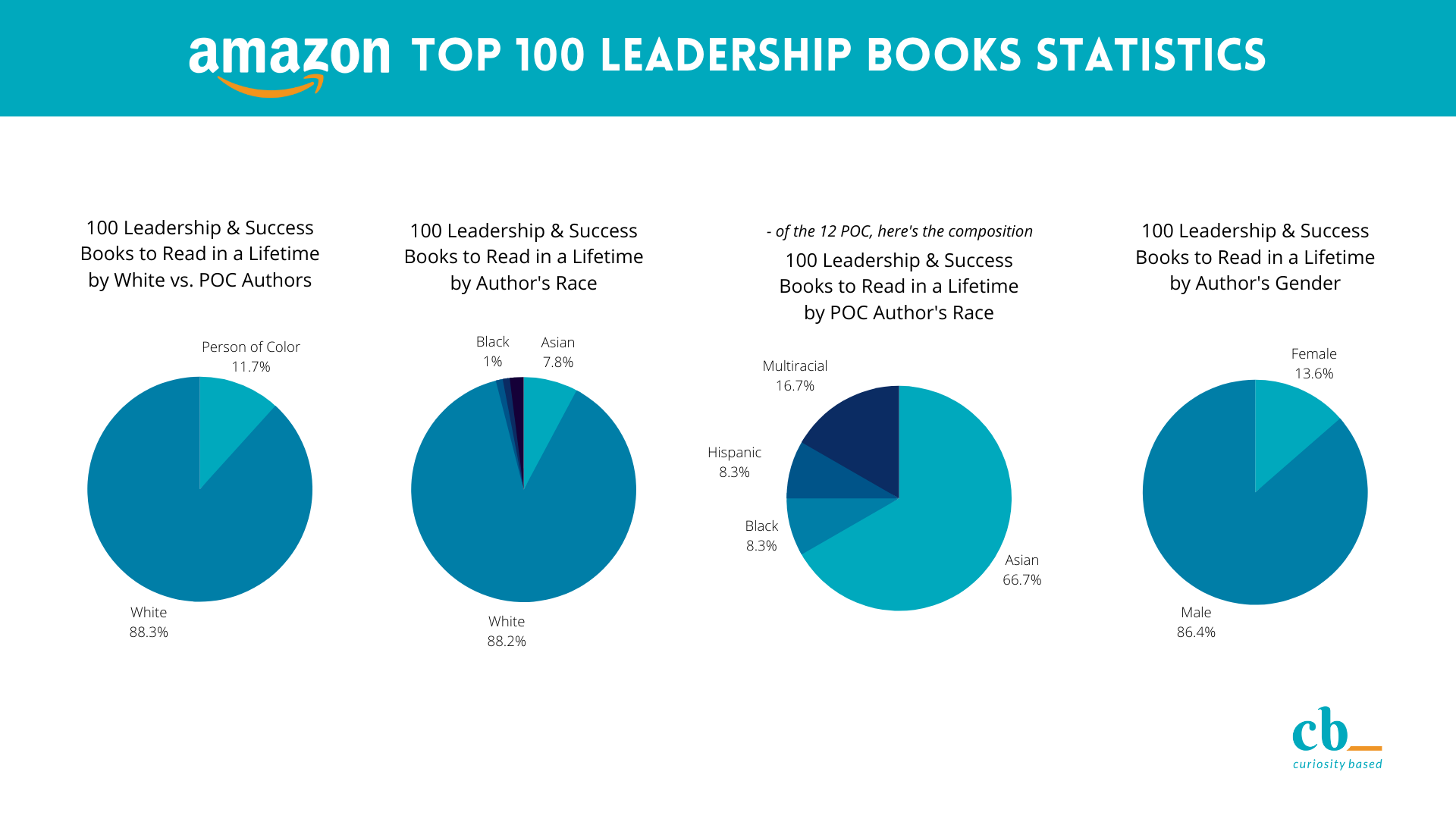
Beyond fostering curiosity, I founded CuriosityBased to celebrate and diversify leadership. I want to expand how we define effective leadership, moving beyond the narratives historically dominated by white men. While I respect many of those leaders, I believe there’s room—and a need—for more voices.
Increasing visibility for Asian leaders is essential to dismantling stereotypes of passiveness. When we’re seen and heard, we broaden the collective understanding of what leadership looks like.
America’s Short Attention Span
Public attention shifts quickly—from #MeToo to Black Lives Matter to anti-Asian hate. The spotlight moves, and each movement has its moment.
That’s why Asians must take the mic when it’s offered. If we stay silent, we reinforce the idea that even we believe our pain matters less. We perpetuate the myth of stoicism—that we’ll simply endure injustice quietly. Speaking out, however uncomfortable, disrupts that narrative and invites solidarity.
Finding Strength in Solidarity
I’m deeply grateful for my non-Asian friends who have reached out to check in and stand beside me. The first was a Black man from the American South. Through our friendship, he began learning about the diversity of Asian cultures—he once admitted he grew up thinking all Asians were “Chinese.” Our conversations changed both of our perspectives.
I’m also thankful for my team and my Asian friends who understand this struggle firsthand. They help me feel seen, heard, and supported.
Honoring the Victims and Moving Forward
I will never forget the names of those lost in Atlanta: Chung Park, Hyun Jung Grant, Suncha Kim, Yong Ae Yue, Delaina Ashley Yaun, Xiaojie Tan, Daoyou Feng, and Paul Andre Michels. Their lives matter. Their deaths remind us that silence is not an option.
We honor them by raising our voices—by taking the mic to publicly and powerfully denounce hate. When we do, we show that we will not stand alone.
What’s Next?
Interested in reading more? Check out our AAPI-Authored Leadership Booklist!