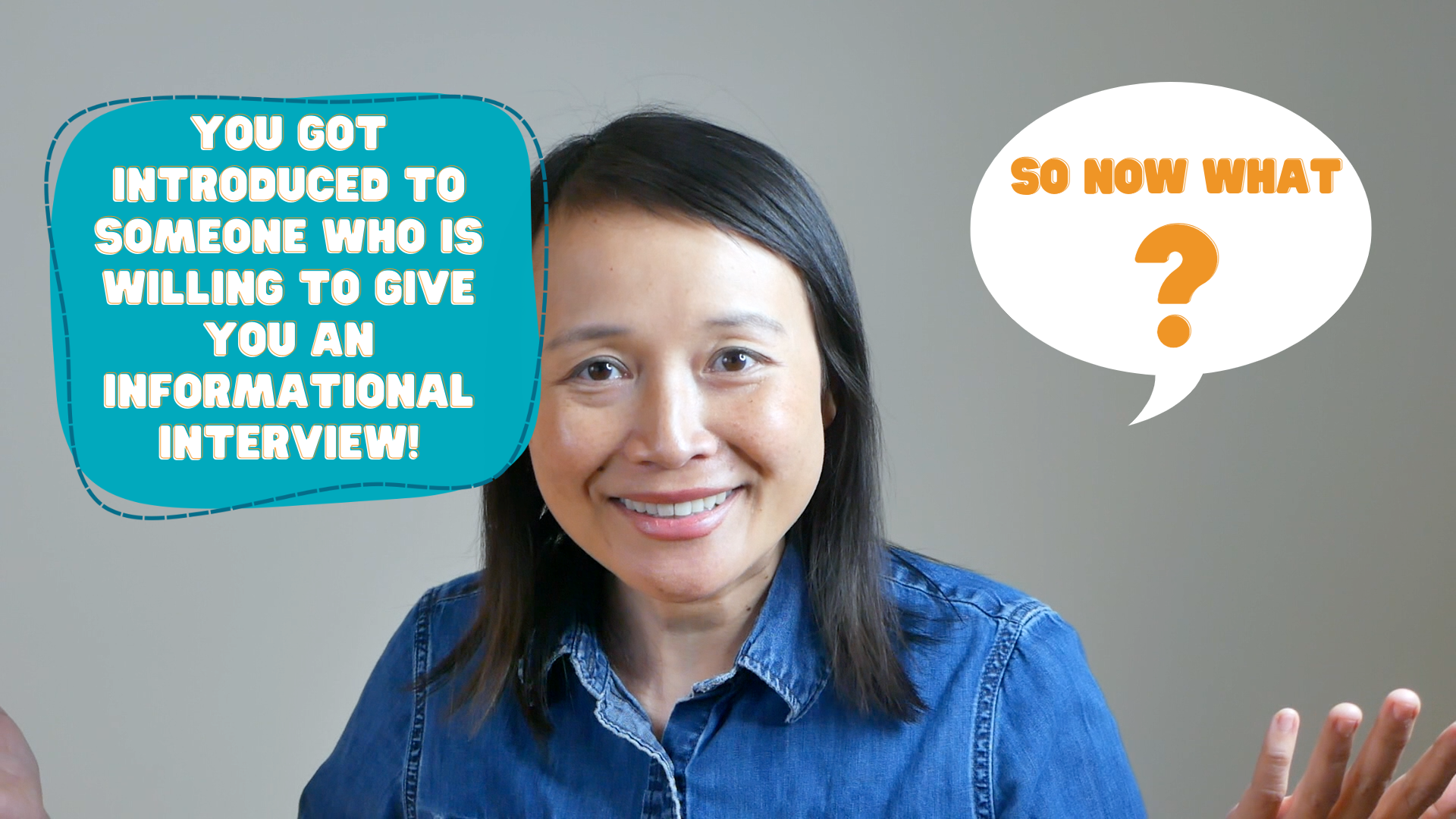

How to Make the Most of Informational Interviews
If you’re looking for a job, you might think the best strategy is to apply everywhere and talk to anyone who can help. However, in my experience, what I thought I wanted was not always what I truly wanted. Informational interviews helped me gain clarity.
What Is an Informational Interview?
An informational interview gives you insight into a job, company, or industry—and helps you get advice from someone already in that field. It’s a chance to make a strong impression on someone who might later connect you with others.
Importantly, an informational interview is not a job interview. Don’t treat it like one. If you do, you’ll likely feel disappointed. The goal is to learn, not to get hired immediately.
My Experience with Informational Interviews
I’ve done many informational interviews throughout my career. When I transitioned from working at my family’s newspaper to big tech, I spoke with five new people each week for eight weeks—forty interviews total.
These conversations helped me refine what kind of career I wanted. They also gave me new language to describe my skills. For example, someone might tell you that what you call a “coordinator” role is known as a “project manager” in their industry. Small insights like that help you talk about your goals more clearly and discover roles you didn’t even know existed.
Make a Positive Impression
An informational interview is also your chance to leave a good impression. Show that you’re smart, articulate, and curious. Ask thoughtful questions and listen closely.
If you come across as pushy or unprepared, people will hesitate to introduce you to others. But if you’re engaged and attentive, you’re more likely to expand your network naturally.
How to Get Informational Interviews
Start with your network. Reach out to friends, volunteers, mentors, and colleagues for introductions. Form a small group of accountability partners who can help you find connections.
I rarely do cold outreach, so I focus on referrals and warm introductions. If you want more strategies, check out my blog post on Six Tips to Get a Job You Love.
Tips for a Successful Informational Interview
1. Do Your Research
Before the conversation, spend a few minutes learning about the person. Review their LinkedIn profile, company website, or recent talks. Mention something specific—like “I watched your panel discussion on career growth”—so they know you came prepared.
Avoid basic questions such as “What do you do?” That shows you didn’t prepare and wastes valuable time. Doing your homework signals professionalism and helps you ask more meaningful questions.
2. Prepare Three Specific Questions
Some informational interviews last an hour, but others might be just 15 minutes. Prepare for the shorter version. Think of three focused questions that are relevant to your interviewee.
For example: “Since you’ve worked in corporate settings for years, what advice would you give to someone transitioning from nonprofit work?”
When I once asked a Director-level professional a question like that, he later referred me for a job. His recruiter note said, “She’s a precise, concise communicator and a clear thinker.” That’s the impression you want to make.
3. Ask for Referrals
If the conversation goes well, ask whether they can recommend anyone else you should talk to. They may not think of someone right away, so follow up later.
To make it easier, write an introductory blurb they can forward. Many people forget this step, but it’s crucial. If you’re not willing to write your own blurb, it’s harder for them to use their social capital to connect you.
4. Offer to Help Them
At the end of the interview, ask if there’s anything you can do to help them. Even small offers matter and show that you were listening.
For instance, if they mention their child plays in a youth symphony, you could share information about a music program. Or if they love a certain cuisine, you might offer restaurant recommendations.
I always appreciate when people ask this question—it shows generosity. Personally, I often suggest they subscribe to the CuriosityBased newsletter or follow our social channels.
5. Follow Up with a Thank-You Email
Always send a thank-you email after your interview. Reference something they said to show you listened. If you forget, don’t worry—it’s never too late. A quick note such as, “I’ve been meaning to thank you for our conversation last month” still makes a great impression.
6. Keep Them Updated
If they introduce you to someone, follow up to let them know how it went. A short message like, “Thank you again for the introduction. We spoke last week, and it was a great conversation,” helps strengthen the relationship.
And when you eventually land a job—even if it’s in a different field—send an update. People appreciate knowing their effort made a difference.
Final Thoughts
Informational interviews are one of the most effective ways to explore careers and build meaningful professional relationships. When you approach them with curiosity, preparation, and gratitude, they can open doors you didn’t even know existed.
I hope you’ve had these tips helpful. If you did, please share on social media and with your friends.