banner

Talk to Phoebe

Julie Pham on Talk to Phoebe podcast

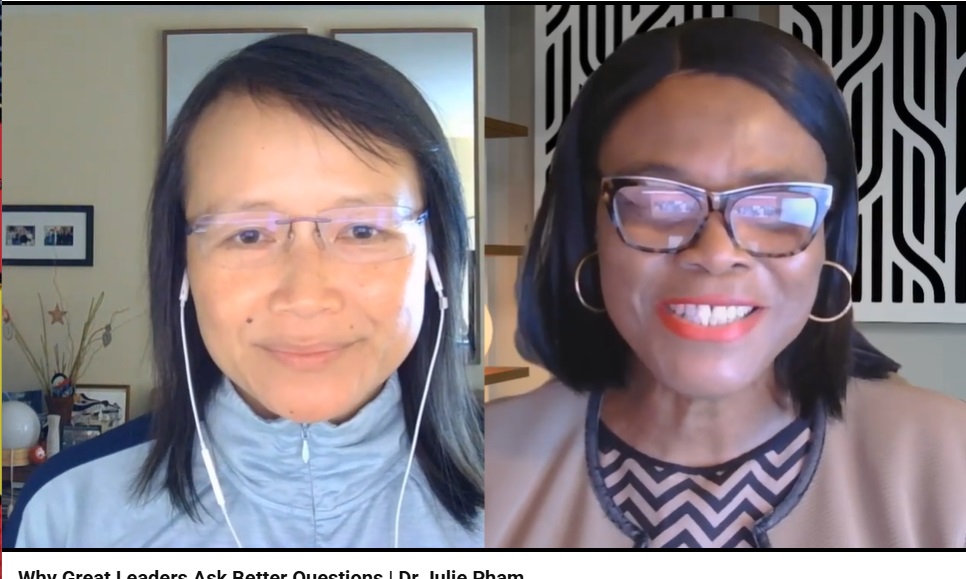
In this episode of the Talk to Phoebe podcast, host Phoebe spoke with Dr. Julie Pham, the founder of CuriosityBased, a consulting practice helping organizations foster more curiosity to build trust, communication, and collaboration.

They explored how Dr. Pham’s Vietnamese refugee roots, her years running her family’s Vietnamese-language newspaper, and her training as a historian shaped the 7 Forms of Respect® framework and her belief that multiple truths can coexist. Dr. Julie also shared why curiosity is a practice rather than a trait, why ambivalence is a bigger warning sign than disagreement, and why asking better questions matters even more in the age of AI.

Key themes: The 7 Forms of Respect® · Curiosity as a leadership practice · Multiple truths and perspectives · Cultural identity and respect · Leading in the age of AI · Community and belonging

More Talk to Phoebe episodes at https://www.youtube.com/@PHOEBEOBI

Explore more podcasts featuring Dr. Julie Pham at https://curiositybased.com/press/

#TalkToPhoebe #CuriosityBased #7FormsOfRespect #BuildingTrust #CuriosityInLeadership #MultipleTruths #LeadershipInTheAgeOfAI

November 17, 2026: “A Voice Like Mine” and 165 other books by Native American authors

CuriosityBased’s updated its curated leadership books written by Native American and Alaskan Indian authors.

In honor of Native American Heritage Month, we’ve updated our list to 166 leadership books, including memoirs, written by Native Americans and Alaskan Natives. Through researching for this list, I discovered A Voice Like Mine: A Memoir, by Debra Haaland, an American politician and a member of the Laguna Pueblo.

The title of the memoir comes from Haaland’s campaign slogan, “no one had ever heard a voice like mine,” which reflected her commitment to ensuring marginalized communities were represented in government. At the time, Haaland was running for a congressional seat. In 2019, she and Sharice Davids of Kansas were the first Native American women elected to Congress. Haaland had also been the first Native American woman to chair a state political party in the US (2012 to 2013) and, as Interior Secretary, was the first ever Native American to serve in a presidential cabinet (2021 to 2025).

The memoir is packed with many examples of Haaland modeling tenacity and perseverance in her own life. She recounts frequently moving for her father’s military deployments, growing up in poverty, recovering from alcoholism, and then working her way through college and graduate studies as a single mothers.

I especially appreciated Haaland’s stories of engaging with others authentically, and ensuring them that their voice matters. Before Haaland ever considered running for office herself, she was committed to registering voters, especially Native Americans. Because many Pueblo homes didn’t have house numbers, they usually were overlooked for canvassing, “Those of us who worked to get out the Native vote used our creativity,” Haaland wrote. She describes setting up voter registration tables on Pueblo feast days and Navajo Nation fairs and asking to attend existing meetings. She and other Native American women would drive to areas and canvass homes, “finding people who had never shown up on the maps of the voter engagement programme used.”

When Haaland served as Interior Secretary, she made a concerted effort to engage with the department’s employees, many of whom never directly met with its director. A unique feature of this memoir are Haaland’s favorite recipes, comfort food like “green chili stew” and New Mexico’s traditional biscochitos, that she herself would cook for potlucks. Haaland reminds us that ensuring people feel like they matter, even if it’s just through sharing food, is key to leadership.

You can check out this memoir and other leadership books by Native Americans on our updated list. Shout out to Birchbark Books & Native Arts, a bookstore in Minneapolis that specializes in Native American books. I was able to add many new titles to this list by consulting their website.

Since we put a lot of effort into these lists, we want these authors to get the recognition they deserve! If you find this list valuable, please share it and spread the word.

Here’s a sample message you can use when sharing this book list with your network: 

“Want to read leadership narratives written by Native Americans and Alaskan Natives? Check this out! (https://tinyurl.com/2026NativeAmerican ).”

#NativeAmericanHeritageMonth #IndigenousLeadership #NativeAuthors #IndigenousVoices #AlaskanNativeLeadership #NativeAmericanLeaders #IndigenousWisdom #LeadershipBooks #IndigenousAuthors #NativeStoriesLeadership

Check out all of the CuriosityBased curated leadership book lists. 

Also, please send me any other recommendations you have for this list or any of our other lists.

Best, 

Check out more CuriosityBased newsletters

November 10, 2026: Giving and getting authentic reciprocity

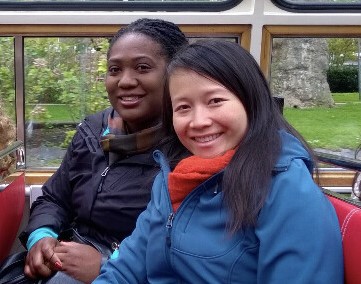
Shani (left) and Julie (right) in Amsterdam for the Marshall Memorial Fellowship in 2015.

Have your expectations changed around giving and reciprocity over the years ? If so, how and why?

My friend Shani taught me a lot about authentic reciprocity. I first described those lessons in 2023 in an essay in memoriam for Shani, after she unexpectedly passed away. 

A year after we met during a fellowship program in Europe, Shani invited me to visit her home in Detroit. She told me from the beginning that in her family, guests don’t pay for anything and she proceeded to take me out to her favorite upscale restaurants. When Shani wanted to visit Seattle the following year, I was nervous she might anticipate a similar level of hospitality, one that I couldn’t really provide or afford. For example, I lived in a small studio with one couch and one bed while she owned a big brownstone with a guest suite. 

Shani eased my nerves by telling me, “While I like to pay for my guests, I don’t expect the same thing in return.” Without being explicit, she conveyed that reciprocity doesn’t mean exchanging gifts of similar “value” but being generous with each other in our own ways.

In the years since Shani and I hosted each other, my beliefs around authentic reciprocity have evolved to include:

  • If we want something, we should tell people. Otherwise, our unspoken expectations will only make us feel bad. 
  • If something is given in the spirit of a gift, no return gift is “owed.” 
  • Don’t assign a monetary value to intangible gifts, because we’ll never agree on the value. 
  • Be proud and confident of what we are able to give. 

The human interaction of giving and getting is the process of making ourselves and each other whole, filling in one another’s gaps and needs.

When I think back to my friendship with Shani, I can appreciate how we were two very different people from different parts of the country who wanted to invite each other into our worlds. We gave each other what felt good to give, and accepted that those gifts would be different.

I’d love to hear about your beliefs on reciprocity and how it guides what you expect to give and get.ople in their life that they see as villains.

Best, 

Check out more CuriosityBased newsletters

Business. Wealth. Impact.

Julie Pham on Business. Wealth. Impact.: Curiosity as a Practice

What if the golden rule isn’t enough? In Episode 228 of Business. Wealth. Impact. podcast, “Curiosity as a Practice – Rethinking Respect in the Workplace,” CuriosityBased founder and CEO Dr. Julie Pham joins host Jeanne Omlor to explore how treating curiosity as a daily practice can change the way we communicate and lead.

Julie draws on her bicultural upbringing and global research, and on her book 7 Forms of Respect® to explain why leaders need to move beyond “treat others as you want to be treated.” People give and receive respect in different ways, and recognizing those differences is where better working relationships begin.

She also shares a practical tool for difficult moments: slow down and use the power of the pause when entering a heated conversation.

Key themes: Curiosity as a daily practice · Rethinking respect in the workplace · Moving beyond the golden rule · The power of the pause · The 7 Forms of Respect®

Learn more: 7 Forms of Respect®

Explore more podcasts featuring Dr. Julie Pham at https://curiositybased.com/press/

#CuriosityBased #7FormsOfRespect #Curiosity #Leadership #WorkplaceCulture #Podcast

November 3, 2026: What helps our firefighters

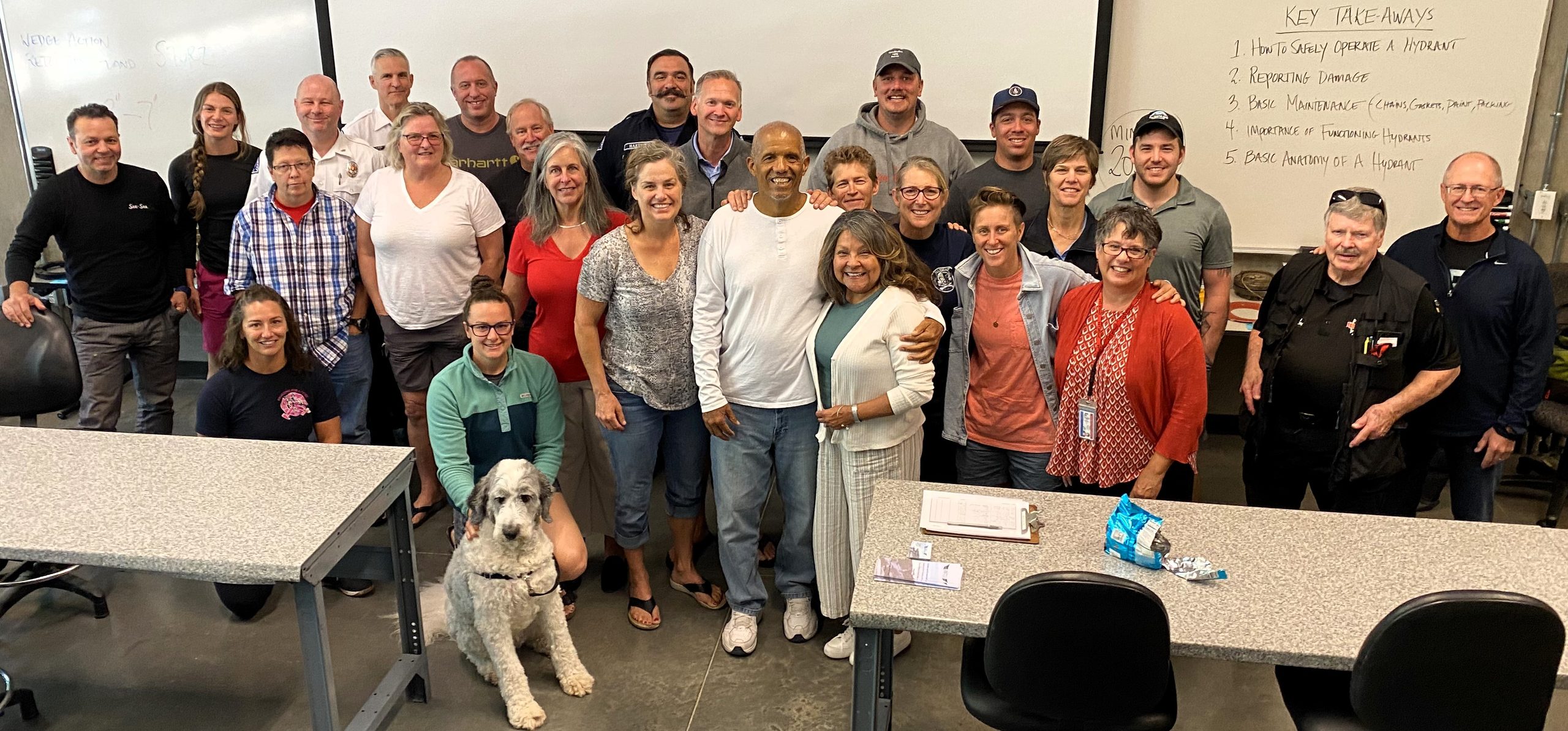
Members of the Seattle Fire Department’s Peer Support Team gathered for training.

Today is Election Day in the US, which means we’ve been listening to candidates point out all the things that are wrong with our government and how they will make it better. Amid all the criticism, we may find ourselves taking for granted the well-functioning public services we do have.

Our local fire departments are a great example. Last year, the Seattle Fire Department answered almost 300 calls for service each day. I’ve had to call them three times myself to report small, manmade fires I’ve seen on side streets while walking in my neighborhood. They’ve always responded right away. 

I just learned from the Seattle Fire Foundation how important mental health support is for fire fighters. In responding to a crisis, they absorb a lot of emotional trauma. As first responders, they are not just fighting fires. They deal with emergencies involving violence, substance use, mental health crises, and other situations where people need immediate help.

So how do they do this? Through “peer support groups,” which Seattle Fire has used since 1995. The Peer Support Team provides firefighters with confidential support from trained peers who understand the emotional demands of the job. They don’t just have to talk about work either. The peer support groups are places for them to talk about tough things they are going through personally.

Peer support can be helpful for many different lines of work, especially those where people often have difficult interactions and where they feel powerless. I find this to be especially true when I talk to CuriosityBased’s public sector and nonprofit clients. People burn out when they have no outlet to express their emotions with their colleagues, who are the only other people who can truly empathize. For fire fighting, which has its own unique needs, trained facilitators are necessary. For most of us, it could just be, “How are you experiencing what just happened with …?”

Peer support applies outside of work too. According to the 2025 Social Connection in America Report, 44% of respondents said they “sometimes/rarely/never” get “social and emotional support” when they need it. To ensure I do set aside time for mutual support, I have some regularly scheduled monthly and quarterly meetings with different friend groups and we also get on phone calls as needed.  

Do you have something like “peer support groups” at work? In your personal life? If you’re a team leader, do you provide a way for colleagues to support each other? 

I’d love to hear from you.  

Best, 

Check out more CuriosityBased newsletters

The Jocelyn Moore Show podcast

Julie Pham on The Jocelyn Moore Show: Why We Disrespect People Without Meaning To

What if the way you show respect isn’t the way the people around you receive it?

In this episode of The Jocelyn Moore Show, CuriosityBased founder and CEO Dr. Julie Pham joins host Jocelyn Moore to explore why respect is relative, subjective, and dynamic rather than universal. Drawing on her book 7 Forms of Respect®, Julie explains how people give and receive respect in different ways, and why recognizing that difference changes the whole conversation.

Julie also shares the Rubber Band Rule, a practical way to know how much you can stretch for others without snapping, and talks about how her community organizing background informs the way she helps organizations become learning cultures built on curiosity rather than assumptions.

The conversation also covers workplace baggage and what to do when the boss is the problem, how to make DEI conversations less uncomfortable, and how culture, belonging, and multiple truths fit together. Julie closes with the path from historian to CEO and the final lesson she’d leave listeners with.

Check out more They Joycelyn Moore Showhttps://www.youtube.com/@thejocelynmooreshow podcast episodes.

Explore more podcasts featuring Dr. Julie Pham at https://curiositybased.com/press/

#CuriosityBased #7FormsOfRespect #Curiosity #Leadership #WorkplaceCulture #Podcast

October 27, 2026: Every hero is someone else’s villain

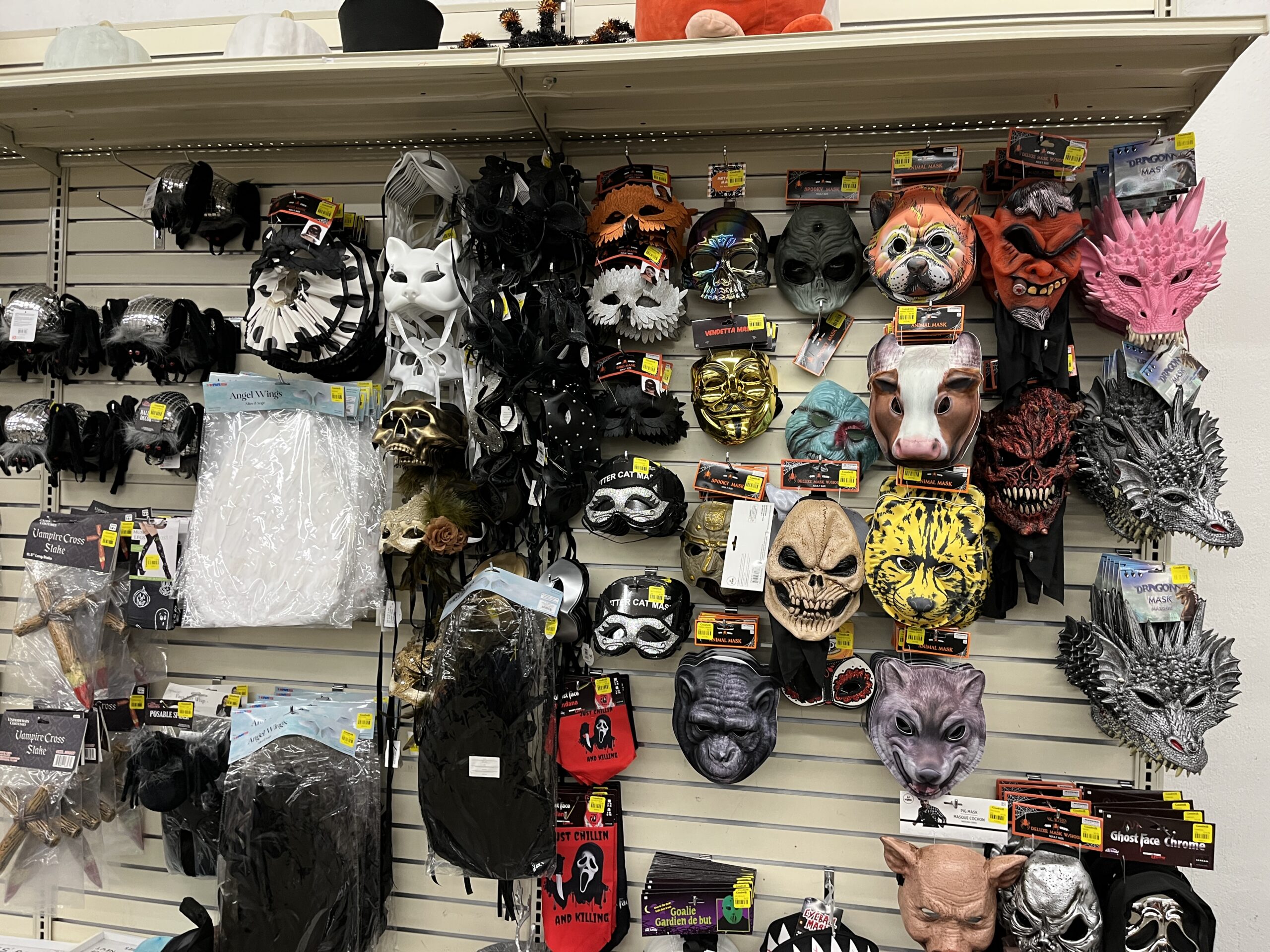
Monster masks on sale for Halloween at Julie’s Evergreen Goodwill store.

Every story has to have a hero and a villain. Have you ever wondered if you might be the villain of someone else’s story?

Years ago, I was having a problem moving past conflict with a colleague, “Ed.” I asked Ed to do something that he felt was unreasonable, but seemed completely reasonable to me. When I tried to discuss this with him, Ed told me, “I’ve told all my friends about you and they’re mad at you.” 

My first thought (which I did not express aloud), was: “What are you talking about? I’m not the bad guy here.”

Then I took in what Ed said. The truth was, I had been complaining about Ed to my friends, too. I realized it would make total sense that I’d be the villain in his story.

And if someone from the outside was witnessing us, they could probably see how we were both right and wrong. It’s all a matter of perspective, and from Ed’s perspective, I could appreciate why he thought I was unreasonable. 

Look back at the stories in your life when you saw yourself as a hero and someone else as the villain. Now reverse that, and imagine yourself as the villain. How does the story change when you’re the villain?

Here are other examples of questioning who the villain might be in a relationship:

  • A narcissistic mother or ungrateful daughter?
  • The spouse who is selfish or the spouse who plays martyr?
  • Controlling boss or careless employee?

I’d love to hear from you. Please forward this message to anyone who has a lot of people in their life that they see as villains.

Best, 

Check out more CuriosityBased newsletters

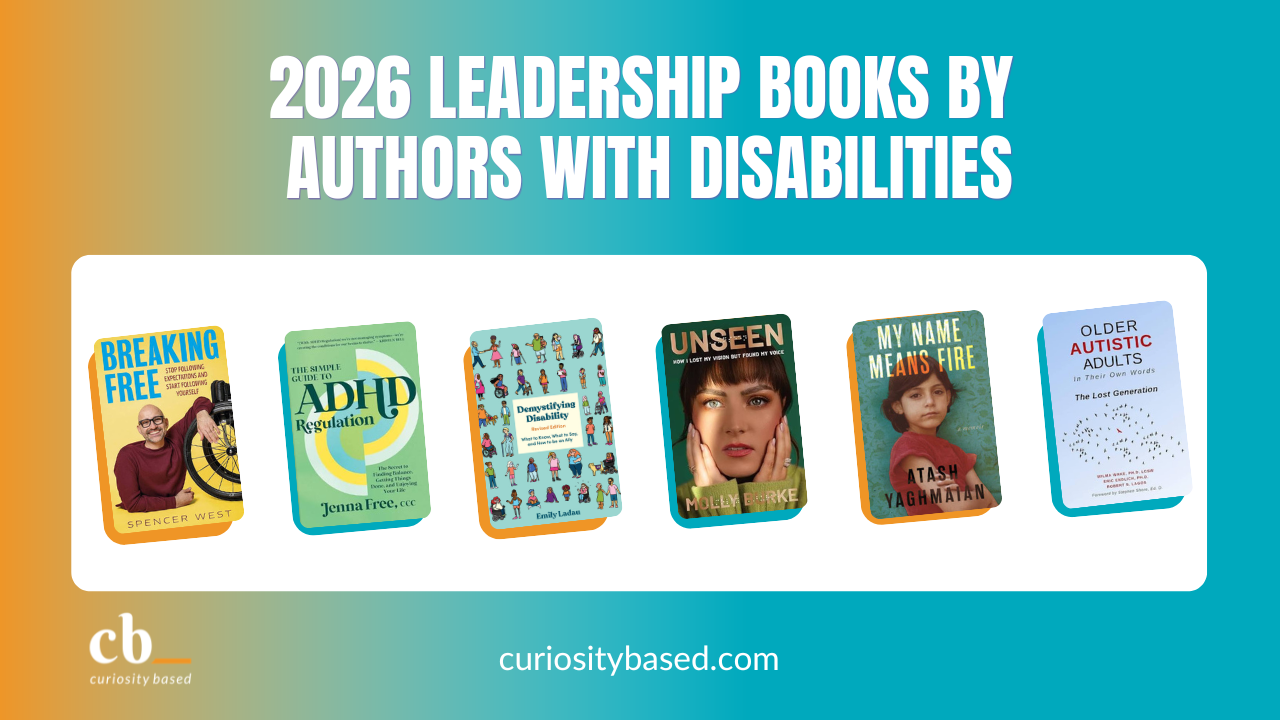
October 20, 2026: “Unseen” and 143 other books by authors with disabilities

Image caption: Julie at the airport preparing bundles of rubber bands to illustrate the Rubber Band Rule for a keynote talk.

In honor of National Disability Employment Awareness Month, we updated our leadership book list and it now have 144 books, including memoirs, written by people who identify as having disabilities.

While researching this list, I discovered Unseen: How I Lost My Vision but Found My Voice by Molly Burke, a social media influencer, entrepreneur, and disabilities advocate. 

At age 4, Burke was diagnosed with Retinitis Pigmentosa (RP), a condition that causes slow, progressive vision loss. Growing up, Burke was the cute poster child for a charity that conducted research for curing RP. She described herself as promoting “cure culture,” which aspires to fix people instead of celebrating them the way they are. By age 14, she realized that there was no cure for her and fell into despair. As an adult, she realized:

I was deeply entrenched in the medical model of disability…. It suggests that people with disabilities are broken, and that science and medicine can fix us. They want to heal us, to change us, so that we can fit into society better…. I now follow the social model. I no longer think that I am broken or not enough because of my blindness…My vision loss simply means I perceive the world differently from someone with 20/20 vision. 

Burke’s evolution of thinking of herself as someone needing to be cured, versus someone who is blind, made me ask this question: What is something I’ve been thinking I want to fix because it’s different from what is considered “normal”? 

My closest experience was in my teens and early 20s when I desperately wanted to be taller. I used to wear 4 inch platform heels, which made me 5’4”. While many people wear high heels because they like the look, I mostly wanted the height. High heels for me were a temporary fix, rather than the cure that I didn’t really need.  

What is something you used to do, or perhaps still do, to “fix” or “cure” something about yourself to make you feel “normal”? 

You can check out Burke’s memoir and other leadership books by authors with disabilities on our updated list from CuriosityBased. Huge thanks to Dr. Robin Nussbaum of We Do HR Solutions and Vanessa Laughlin of Banister Advisors for recommending many new titles to this list.

If you find this list valuable, please share it and spread the word. We put a lot of effort into these lists, and want the authors to get the recognition they deserve!

Here’s a sample message you can use when sharing this book list with your network:

Want to read leadership narratives written by Americans with disabilities? Check this out! (https://tinyurl.com/2026DisabilitiesBooks). #diverseleadershipauthors #DisabilityAwareness #NDEAM (National Disability Employment Awareness Month) #DisabilityPride #InclusionMatters #DisabilityRights #AccessibilityForAll #InclusionRevolution #DisabilityAdvocacy #DisabilityInclusion #BreakingBarriers #AccessIsLove

You can check out our other leadership book lists by those who identify as Hispanic/Latinx/Latino, Black, LGBTQIA+, AANHPI, Native American, and women. 

 Also, please send me any other recommendations you have for this list or any of our other lists.

Best, 

Check out more CuriosityBased newsletters

Echoes of the Vietnam War podcast

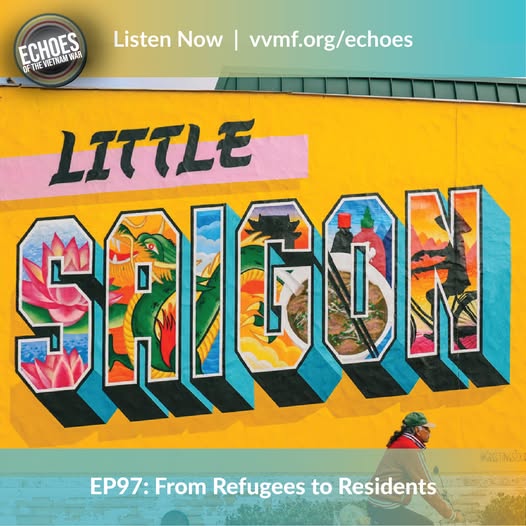
From Refugee Roots to Community Leadership | Dr. Julie Pham Featured on Echoes of the Vietnam War

In this episode of Echoes of the Vietnam War, host Michael Cone dives into the powerful story behind Little Saigon’s rise in Southern California and the Vietnamese immigration experience. 

Dr. Julie Pham’s family’s early journey as Vietnamese refugees brought them initially to Florida, but Dr. Julie shares how initial help from Seattle’s Vietnamese community shaped their path. “My parents remember how welcoming the Vietnamese community was in Seattle…they brought food—and energy—that made life really good.” When Florida didn’t feel like home, it was the pull of Seattle, its cultural ties, and a deep sense of belonging that still stands today that brought them back

Growing up as the daughter of founders of the first private Vietnamese‑language newspaper in the Pacific Northwest, Julie witnessed firsthand the difference that community pride and visibility make. She reflects on her own identity journey noting that her parents reinforced in her that, “being a refugee is something to be proud of.” That belief guided her toward studying history in college, and ultimately toward turning curiosity into action.

What stands out for us at CuriosityBased:

  • Community Matters: Connection shaped Julie’s sense of self and purpose.
  • Cultural Identity as Power: Embracing heritage opened doors—to history, belonging, and impact.
  • Curiosity in Action: From family roots to leading a movement for respectful questioning, Julie exemplifies how we can transform curiosity into collective resilience.

Why this matters
In today’s culturally diverse workplaces, curiosity isn’t just a soft skill, it’s a superpower. When we open up to learn and to understand and belong, we build bridges across cultures, generations, and even industries. Julie’s journey is a real-world case study in making that shift from individual identity to shared impact.

Tune in to hear Dr. Julie’s story and how curiosity helped build one of America’s most vibrant diasporas:

Check out more Echoes of the Vietnam War podcast episodes.

Explore more podcasts featuring Dr. Julie Pham at https://curiositybased.com/press/

 #CuriosityBased #VietnameseAmerican #CommunityLeadership #CulturalResilience #RefugeeStories #LittleSaigon #WorkplaceCuriosity #RespectMatters

A Beautiful World podcast

 Beautiful World podcast featuring Dr. Julie Pham thumbnail

Curiosity and Respect in the Workplace — Julie Pham on the A Beautiful World Podcast

What does it mean to practice curiosity — not as a personality trait, but as an intentional daily discipline? And how does respect show up differently depending on who’s in the room? CuriosityBased founder Dr. Julie Pham joined the A Beautiful World podcast to explore these questions and more.

In the conversation, Julie shares the thinking behind the 7 Forms of Respect® framework, what it means to treat curiosity as a practice, and how her journey — from Vietnam to Seattle to the TEDx stage — shaped her approach to communication and relationships at work.

Whether you’re new to CuriosityBased or have been following Julie’s work for years, this episode is a great entry point into the ideas that drive everything we do.

Check out more A Beautiful World podcast episodes.

Explore more podcasts featuring Dr. Julie Pham at https://curiositybased.com/press/

#CuriosityBased #7FormsOfRespect #Curiosity #Leadership #WorkplaceCulture #Podcast

October 13, 2026: Notice what you usually overlook

“Love lockets” in West Seattle.

I am guilty of often being in such a rush to get somewhere that I usually overlook a lot of things along the way. 

We, at CuriosityBased, had our annual team retreat last month. For our team-building activity, we wanted to do something low-key yet physical. In the past, we’ve done escape rooms, a cooking contest, a scavenger hunt. In contrast, this year, we walked extra slowly for two miles along a path familiar to all of us at varying degrees – Alki Beach in Seattle. 

Maia lived at Alki Beach from the beach in the mid 1990s, and the rest of us have visited there countless times. Maia pointed out the things that changed and what hadn’t, like the “Flowers Houses” nestled between two new condo buildings, famous for being decorated by brightly colored potted flowers. 

The walk turned out to be a 75 min exercise in noticing things we would normally miss in our haste, or because we’re distracted by our devices. We each pointed out things that were interesting to us – “Look at that house over there!” and, “Check out that tree!” and, “That’s an interesting…”

For the first time, I slowed down enough to register the significance of what is referred to as “the love locket fence,” where couples lock padlocks engraved with their initials to a fence and throw the key into the sea, symbolizing their forever love. I noticed how many padlocks there were, some even had special designs. 

Noticing what is around us requires intentionally making just a little more time than usual for curiosity and wonder. 

As you prepare to finish out the year, please try to set aside some time to slow down and notice your surroundings. 

I’d love to hear what you learned. 

Best, 

Check out more CuriosityBased newsletters

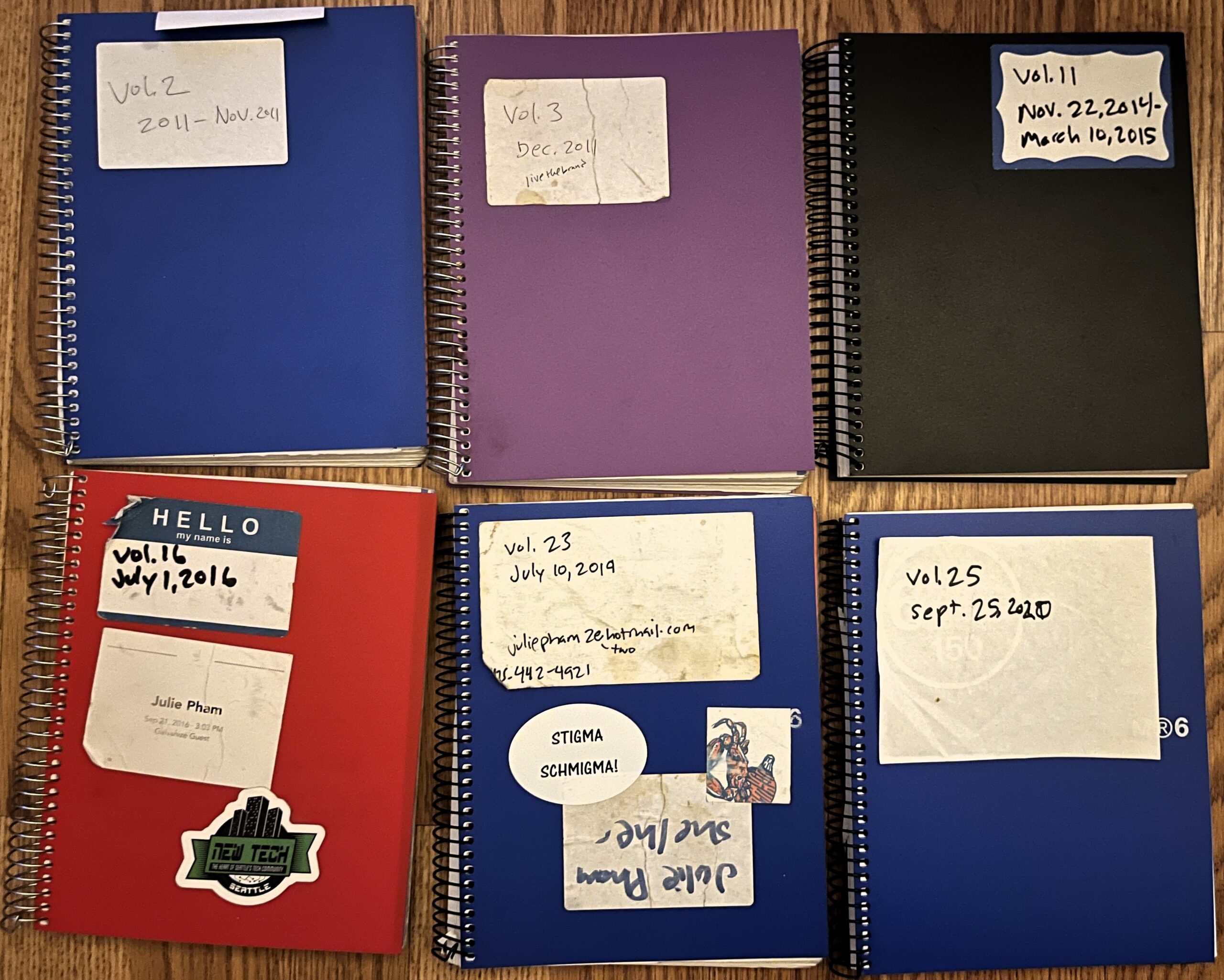
October 6, 2026: Look back before you plan ahead

Julie’s work notebooks, from 2011 to 2020.

Fall signals the start of winding down the year and the last chance to try to achieve what we set out to do. 

For many organizations, it means starting to plan for next year. But, before you can think ahead, whether it’s for your work or personal life, it can be very helpful to reflect on the  goals you set for yourself last year.

It sounds simple. But, because focusing on what’s new is so much more exciting, many of our organizational clients resist this important step. Also, looking at the past can mean admitting we didn’t fulfill our intentions. 

Last month, the CuriosityBased team held our annual two-day planning retreat. Because we took the time to review our original goals for the current year, we were able to celebrate how many things we tried wholeheartedly, but decided to stop doing for one reason or another. We also realized that there were a few projects that we never got to.

When we work with our clients, we often document their sessions and are able to pull up their old records to remind them of the commitments they had forgotten after just six or twelve months.

For the rest of us, the personal, non-work version of this reflection might be reading your journals. If you have nothing written anywhere, try asking someone close to you, “Do you remember what I said was important to me last year?”

Let me know what you discover when you revisit the past.

Best, 

Check out more CuriosityBased newsletters

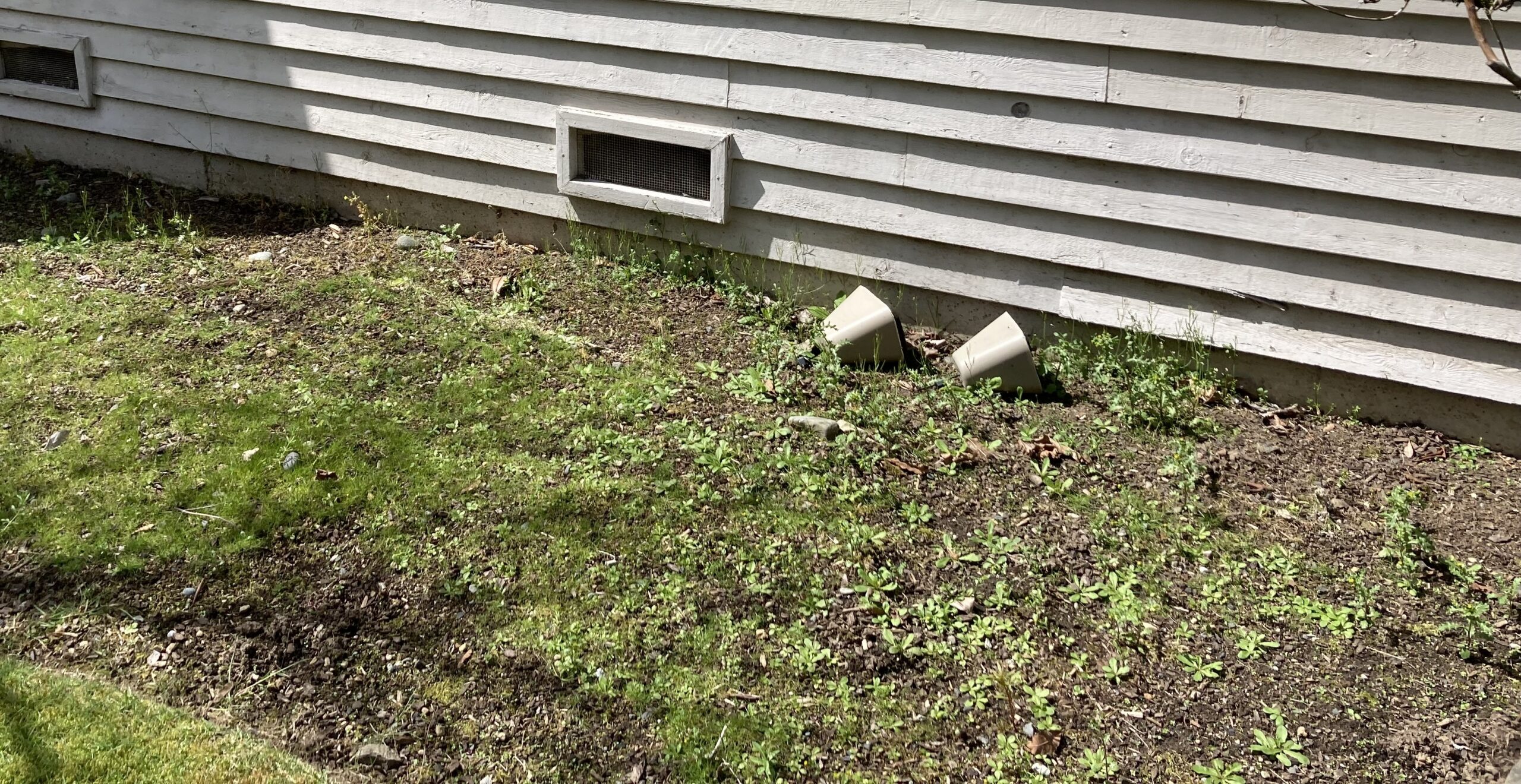
What’s really behind gossip

Image caption: Gossip, unchecked, can grow like weeds in an untended garden.

I was a bit surprised to learn that the most viewed video on CuriosityBased’s YouTube channel is: “Proven strategies to stop gossip at work.” 

Then, I realized it made sense because gossip has been coming up a lot in our team building work with organizations. I used to focus on how to stop it.  But in recent client engagements, I’ve realized the need to first get curious about what causes gossip and what clues it can tell us about other challenges in that workplace.

If you see gossip happening, ask: 

  • Is gossip a coping mechanism for frustrations around unresolved issues? Maybe people have tried using the formal feedback channels to express their concerns, and nothing has been addressed.
  • Is there a lack of clarity that leads people to gossip with each other to try to understand why things are the way they are? Maybe people lack information they feel is necessary to function in their jobs, so they come up with their own explanations. 
  • Are there structural issues that cause people to gossip? Sometimes an organization’s own policy creates conditions where gossip thrives.
  • Are some leaders modeling gossip themselves? Sometimes people think it’s acceptable to gossip because they see examples of it happening with leadership.

In other words, is your organization inadvertently encouraging gossip? Gossip is usually a symptom. Instead of just blaming gossip on a few individuals’ inappropriate and unprofessional behavior, ask yourself these questions to help diagnose the root cause of the gossip. 

Have you ever experienced gossip in your workplace? I’d love to hear what you think caused it. 

Best, 

Check out more CuriosityBased newsletters

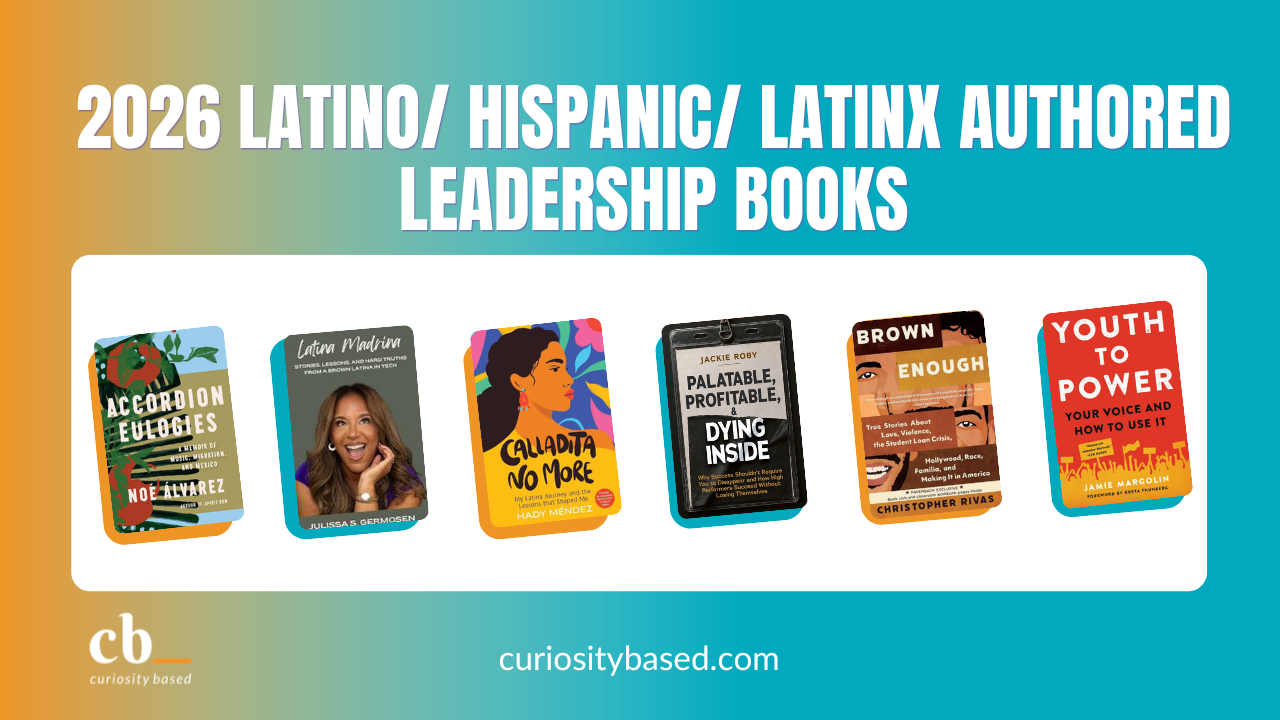
“Brown Enough” and 181 other books by Latinx leaders

Image caption: The 2026 Leadership Book List by Hispanic/Latino/Latinx authors, curated by CuriosityBased.

In honor of National Hispanic Heritage month, we updated our list of leadership books (including memoirs) written by those who identify as Americans of Hispanic/Latino/Latinx heritage. It now includes 181 titles. 

In honor of National Hispanic Heritage month, we updated our list of leadership books (including memoirs) written by those who identify as Americans of Hispanic/Latino/Latinx heritage. It now includes 182 titles.

I read Christopher Rivas’sBrown Enough: True Stories About Love, Violence, the Student Loan Crisis, Hollywood, Race, Familia, and Making It in America. Rivas is an actor, author, and podcaster who describes himself as “Brown man, a Dominican, Colombian Afro-Latino,” born and raised in New York. The book is part memoir and part social commentary.

Rivas opens the book by recounting a pivotal interaction with renowned race relations scholar Ta-Nehisi Coates. When Rivas asked Coates where his Brown identity lived in conversations on race, Coates replied that Brown was “not in it.” 

It took Rivas a long time to realize Coates was stating a fact of “what is,” not his opinion of, “what should be.” Rivas then understood, “My Brown identity was and often is not pertinent to this conversation in which whiteness and Blackness are seen as polar opposites….” The book retraces Rivas’ subsequent exploration of what Brownness means to him a Black and white world. 

Much of Rivas’ understanding of Browness is rooted in growing up in a multiethnic, 164-unit housing complex where his father worked as the superintendent for decades. He wrote:

That melting pot of a building in Queens was the foundation for….How very different people, from very different backgrounds can love each other, and take care of one another. And that difference is in essence, Brownness….Brownness honors unique identities rooted in race and ethnicity rather than whiteness that embraces assimilation and marginalizes any deviance from a sinisterly crafted default ideal.

To Rivas, Brownness does not exclude white people who celebrated their own culture, as his Russian and Jewish neighbors did. In contrast, whiteness represents monolithism.

Anyone who doesn’t feel like their racial experiences can be easily explained through a Black and white lens should check out Brown Enough. Rivas’ own personal stories will prompt you to get more curious about yourself and others. Whether you agree with Rivas’ opinions on issues like interracial relationships, plastic surgery, and cultural assimilation, you can’t help but reflect on your own beliefs. 

You can check out Rivas’ memoir and others on our updated list. Big thanks to Hady Méndez, author of Calladita No More: My Latina Journey and the Lessons that Shaped Me, for adding so many new titles to this year’s list.

Since we work really hard on these lists, we hope these authors will get the attention they deserve. If you think this list is valuable, please help spread the word by sharing it.

Here’s a sample text you can use when sending this booklist out to your network:

“Want to read leadership narratives written by Hispanic/Latino/Latinx Americans? Check this out! (https://tinyurl.com/2026LatinoLeadershipBooks). #diverseleadershipauthors #latinxleadershipauthors #latinoleadershipauthors #latinaleadershipauthors #hispanicleadershipauthors #latinxandhispanicheritagemonth #expandwhoweread #enrichhowwelead”

You can check out our other leadership book lists by authors who identify as Black, LGBTQIA+, AANHPI, Native American, women, and those who identify as having disabilities. We are always adding to these lists, so please send more recommendations our way.

Best, 

Check out more CuriosityBased newsletters

Taking for granted when others stretch for us

Julie at the airport preparing bundles of rubber bands to illustrate the Rubber Band Rule for a keynote talk.
Image caption: Julie at the airport preparing bundles of rubber bands to illustrate the Rubber Band Rule for a keynote talk.

September 18 marks National Respect Day, so I thought I’d share my most current thinking on respect.

When I first started my research on what would become the 7 Forms of Respect®  framework, I asked people what respect looked like to them. Many cited the “Golden Rule: Treat people the way you would want to be treated.” Then I would ask, “What if someone doesn’t want to be treated the way you want to be treated?” The Golden Rule doesn’t always apply.

That’s why I came up with the “Rubber Band Rule” of respect, which reflects how we all intuitively stretch for others because we want to show people respect in the ways that matter to them. Sometimes we stretch so much to accommodate others that we end up snapping and breaking. The Rubber Band Rule is about learning what our breaking points are so that we don’t let ourselves constantly snap as we try to respect others. While the Rubber Band Rule can help us identify our boundaries, the rule reminds us to be aware that respect is dynamic and stretchy.

Here’s the thing: Stretching is good for us. I don’t want to live in a world where no one stretches. Since we all define respect differently, mutual respect requires our willingness to stretch.

Nowadays, there’s so much talk about setting our own boundaries because we’re tired of accommodating others, that we can take for granted how much other people actually stretch for us. 

I experienced that myself recently. Here’s what happened: I had arranged to take my friend, “Pete,” who was visiting Seattle, on a special outing hosted by an acquaintance of mine, “Leslie.” Less than 36 hours before we were scheduled to meet, Pete asked me if I could reschedule with Leslie to later that week. He said, “I can go at the original time, but I will be very tired from working late the night before.” 

At first, I felt my time and effort was disrespected. I hate changing plans with such short notice and felt like I would potentially hurt my relationship with an acquaintance who was doing me a favor. So, I was going to ask Pete to stick to the original plan. But then I realized he was revealing how he needed to prioritize rest. So, I told Pete I didn’t want to impose more on Leslie by asking her to reschedule, so I would apologize on his behalf and cancel. I also said I’d appreciate more notice from him in the future when asking to change our plans.

I could tell Pete was relieved. He apologized profusely the next day. That’s when I recognized how much Pete didn’t want to disappoint me. He had put off asking me to reschedule until he had to be honest with himself about how exhausted he’d be if he tried to stick to the original plan. I’m glad Pete spoke his truth.

Pete and I were in a tough situation where there was no perfect solution to make everyone happy. We were honest about our breaking points. Respect is tested everyday just like this in these seemingly small, unanticipated conflicts.  

When you think about respect, don’t just think about how much you personally stretch. Think about how others might be stretching to show you respect, while also trying to not snap and break themselves.

Respect isn’t always simple and straightforward. The Rubber Band Rule of respect recognizes life’s many unpredictable variables. When did you experience someone not showing you respect in the way you wanted, and then you realized how much they were actually stretching for you? 

I’d love to hear from you. 

Best, 

Check out more CuriosityBased newsletters
#35: Curiosity in Hunger Relief with Lianna Olds

#35: Curiosity in Hunger Relief with Lianna Olds

What does curiosity look like in hunger relief?

In Episode 35 of the Curiosity at Work podcast, Dr. Julie Pham speaks with Lianna Olds, Deputy Director of Emergency Food Network, about curiosity in nonprofit leadership and food access.

Food is often described as a unifying topic. Yet behind every meal distributed are complex systems, data decisions, fundraising relationships, and advocacy efforts.

In this episode, they explore:

• Why curiosity is essential for nonprofit leadership
• How data tells stories about community needs
• Moving fundraising beyond transactional relationships
• Navigating advocacy across diverse perspectives
• The role of feedback and trust in effective communication
• How parenting and practicing stillness shape personal growth

One line that stayed with us: “Food is a unifying topic.”

Curiosity helps leaders look beyond numbers to understand the human stories underneath. It builds trust. It strengthens advocacy. It deepens service.

Hunger relief work requires operational excellence. It also requires empathy, interpretation, and the willingness to ask better questions.

More Curiosity at Work episodes at: https://curiositybased.com/category/curiosity-at-work-podcast/

#CuriosityAtWork #CuriosityBased #NonprofitLeadership #FoodAccess #HungerRelief #CommunityLeadership #Advocacy #DataDrivenLeadership #CommunityEngagement #OrganizationalCulture #PracticeCuriosity #TacomaNonprofits

What we want vs. what the world wants for us

During times when so much feels out of our control, reminding ourselves what we can

control is more important than ever. That’s why I really appreciate Aiko Bethea’s new book on self-leadership, Anchored, Aligned, Accountable: A Framework for Transcending Bullsh*t and Transforming Our Lives and Work. It’s packed with self-reflection frameworks to help us stay accountable to ourselves. 

My favorite exercise in the book is called, “Knowing Who We Want to Be … and Realizing Who the Rest of the World Wants Us to Be.” 


In this exercise, Bethea poses these prompts for you to answer based on what you know:
– What I want to be
– Who my family wants me to be
– Who my work wants me to be
– Who the world wants me to be


Try answering these prompts for yourself. This is how I answered the initial set of prompts:
– I want my writing and thinking to have global impact.
– My brothers want me to be happy in whatever I pursue. My mother wants me to be financially successful.
– My co-workers want to lead our company to great success.
– The world wants me to embody the American dream and immigrant success story.


While others in my life may have different aspirations for me, they are generally aligned with my aspirations for myself.


Others may not be so lucky to have aligned aspirations, and may struggle to find their way as a result. This framework may help you recognize when there’s a big gap between what you want for yourself and what others want for you. The differences in expectations might be particularly difficult to bridge if you are a people pleaser. Bethea pointed out that, “we can wind up not showing up as our aspirational selves…when we don’t articulate clearly who we want to be – especially in contrast with the rest of the world’s expectations of who we should be.”


If you know someone who is trying to figure out what they want out of life, share this framework and Bethea’s book with them.


Best,

Check out more CuriosityBased newsletters
Adapting our spaces as we evolve

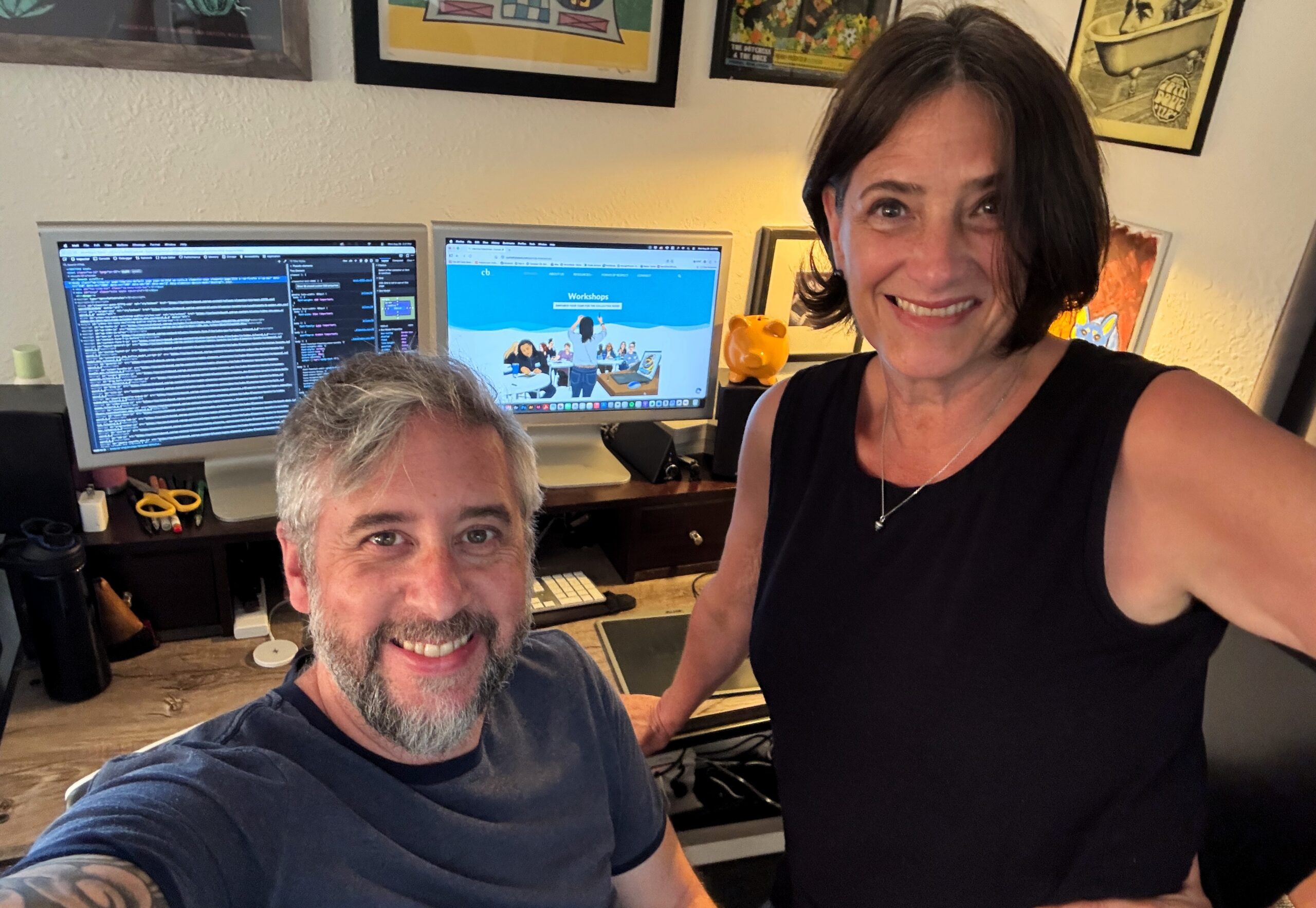
Hello CB newsletter subscribers. I’m Maia Segura, marketing manager at CuriosityBased. Julie invited me to write this week’s newsletter to share the behind-the-scenes thinking for our recently updated website

It’s inevitable that as we grow and change, the spaces that we occupy can feel like they don’t quite fit us any more. When that happens, it’s worthwhile to reevaluate and update these spaces, especially if other people see them, too.


In addition to my work at CuriosityBased, my husband Daimian and I own and operate Creative Catalyst Communications where we spend a lot of time thinking about how organizations use spaces to communicate – including how they express themselves online. 


CuriosityBased went through its last website update in 2023, prior to me joining the team. Over my past two years with the company, I’ve had a front seat to its evolution. The business has grown, offerings have evolved, the team has changed. And the stories we can tell about our work have gotten richer. With this in mind, Daimian and I took a fresh look at how these changes were fitting into the existing web space. It was clear that it was time to tidy up and make room for what’s new. We got to work at the end of 2025 and launched the new site in July.


Reevaluation requires a lot of curiosity. For this project, our driving question was: How can this website represent the CuriosityBased brand today in the most honest and efficient way possible? 


Our approach to updating the CB website could be compared to the decisions you would consider when renovating a physical space, like remodeling your home. As with a home renovation, some people think improving a website is about making it look nicer. While aesthetics are important, function comes first. 


Here are some questions we got curious about while we considered the website’s function:


How do we best convey who we are? 


Think about yourself and what you want to impress upon those who visit you, through things like the art you display or your choice of furnishings.


For this project, we wanted to take an approach that was more “show” than “tell.” We reviewed the existing text, updated our testimonials, and created case studies so website visitors can visualize our approach and hear straight from our clients what they think about our work. We also updated our bios to address the questions people had been asking us over the years – not just what we wanted to share.


How can technology help? 


Think about using new technology to make your space more functional and efficient.


Technology is constantly changing, but it’s important to make sure that we use the right technology to do the right job. Daimian deployed major web development updates to make the website faster so we don’t lose people while they are waiting for the site or content to load. We also added an intentional layer of current best practices for search engine optimization (SEO) to make it easier to find us online.  


What can be re-organized? 


Think about moving items around to ensure you can easily access what you use most frequently.


We reorganized the existing content on the website so that it would be easier for visitors to find. We’re proud of the free resources we provide on our site focusing on the practice of curiosity and promoting other thought leaders, but these resources could be difficult to locate. We’ve now taken our extremely popular leadership book lists and highlighted the most current list on our homepage, while curating all of the lists together on their own page. Also, when we started the Curiosity at Work podcast in 2024 (be sure to check this out! It’s so good!), it was buried under the catch-all “blog” category. Now it is its own item under the “Resources” dropdown menu. 


What can be consolidated? 


Think about what tools and supplies can be consolidated in your home. 


We decided to make the website the hub for all public-facing CuriosityBased content. To reduce brand confusion, we decided to create a dedicated page for the 7 Forms of Respect®  and retire the former stand-alone site. We brought in other content that was created over the years, but only living on our YouTube channel or in the newsletter. In fact, we’ve made a home on our site for this very newsletter, and all of our weekly newsletters, instead of sending folks to MailChimp. 


Please, check out the new CuriosityBased website and let us know what you think.
And, let me know if you know anyone who has a website that could use an update. Daimian and I are happy to provide a fresh perspective. 

Best,

Check out more CuriosityBased newsletters
Long form improv is a master class in listening

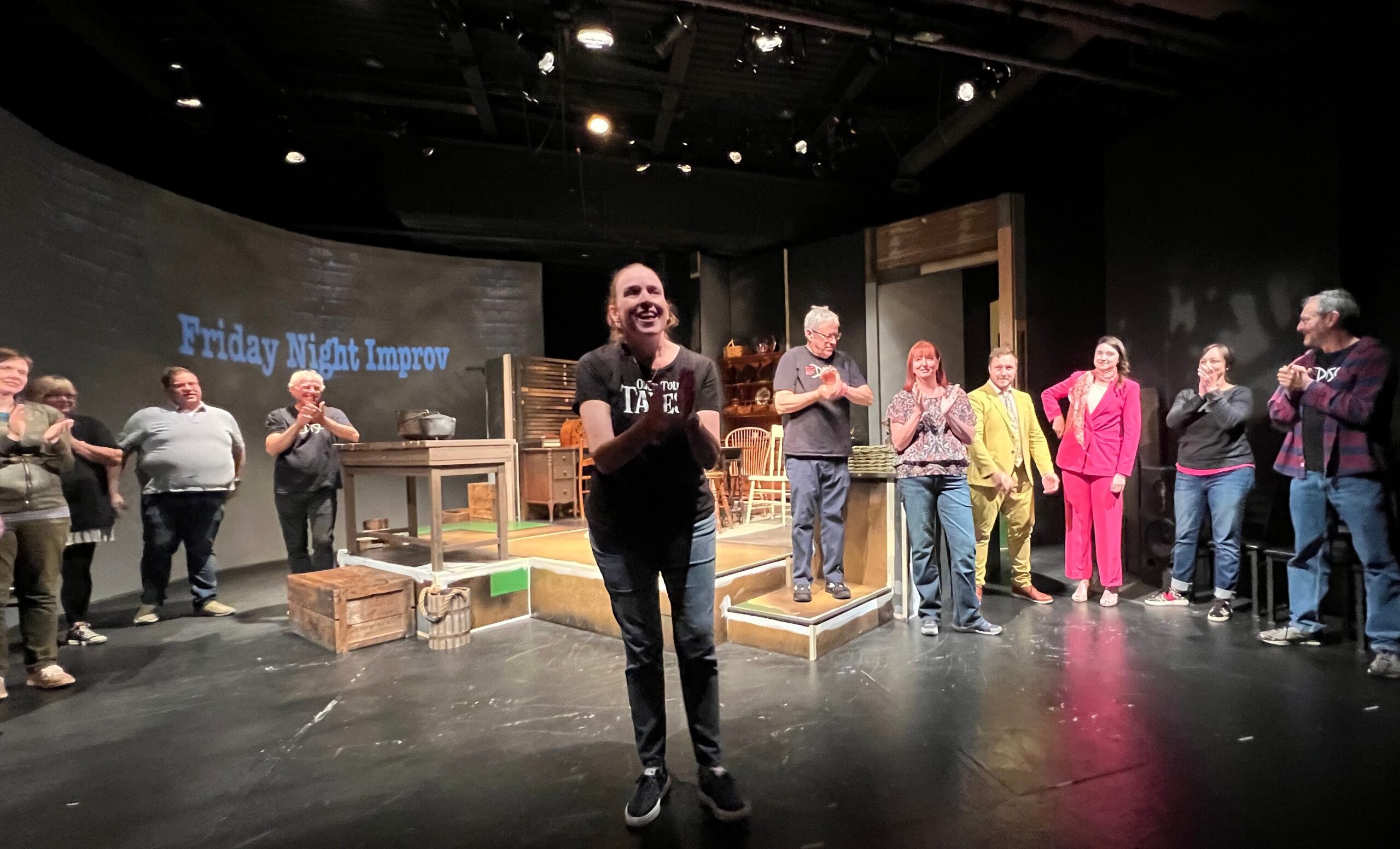
Jonni Ressler (center) is a Seattle area improviser and ensemble member of Seattle Comedy Theater. She can be found playing with independent groups around Seattle and at ComedySportz.

Have you ever been part of a long conversation with a group of people that was so good that, by the end, you felt like you had created new meaning together, and that everyone felt seen and heard?  

In my experience, such conversations are difficult to achieve without having an assigned facilitator. That’s why I believe for lengthy group discussions, someone should assume the facilitator role to invite everyone to contribute and to identify and summarize themes. 

Understanding what needs to happen to create good self-facilitated conversations eluded me. 

That is, until I recently discovered long-form improv at Lumora, a nonprofit  theater space founded by my friend Heath Hollensbee. 

“Improv” is short for improvisation and it refers to an unscripted style of theater. Because there is no director, or designated facilitator, I liken it to a self-facilitated conversation. Many people are more familiar with short form improv, in which 2 to 5 min scenes are created based on audience prompts. Actors listen just enough to deliver quick punchy jokes. 

In long form improv, an ensemble of actors gets their prompt from a single source at the beginning of a 20 to 45 min set.  During the set, a few actors at a time take turns at center stage 

to perform scenes that are developed in real time. 

Over the course of time, all of the actors listen carefully for what is said and not said, even when it isn’t their turn to act. This allows them to reference earlier scenes in a way that contributes to the overall story. At Lumora, I got to watch and compare two different long form improv ensembles. The first group was good. The second was great. I got the impression the second ensemble listened to each other better. As a result, their scenes felt more connected and the overall story, by the end of the set, was more cohesive. 

Back to how this relates to lengthy self-facilitated group conversations. I realized the reason so many of these conversations fall flat is that people don’t listen to each other deeply. They are too busy thinking about what they want to say. While having a conversation facilitator can improve the chances of a good conversation, long form improv has convinced me it’s deep listening, intense curiosity, and active reflection by everyone involved that can transform a conversation into something memorable and unique. 

For your next group conversation, pay special attention to how much people are listening and reflecting on what others are saying, instead of just focusing on what they will say when it’s their turn to speak.

I’d love to hear what you notice. And please consider sharing this email with anyone who wants to have more effective group discussions. 

Best, 

Check out more CuriosityBased newsletters
How Guinness World Records stayed relevant

Julie getting ready to attempt to break the Guinness World Record for “largest dim sum dinner” with 800 other people in Seattle’s Chinatown International District.

On June 18, I got to participate in an attempt to break a Guinness World Record for the most number of people gathered to eat dim sum. We succeeded, and set a new record with 830 eaters, beating the one set by Australia in 2019, by 66 people.

What started as a free marketing tool used in pubs for Guinness beers in 1955, has become the primary source for verifying records of individual and institutional achievements.  As a child, I grew up reading the Guinness Book of World Records.  We had the book at home and I would look through the grainy black and white photos of oddities like the person with “the most limbs” and “the longest fingernails” with awe. It wasn’t until I participated in this record breaking attempt, that I heard so many other people claiming the same childhood experience. This is a company that has learned how to evolve and reinvent itself.  It’s a testament to the Guinness World Records brand.

Nowadays, Guinness World Records makes the bulk of their money from aspiring record breakers who pay sizable fees to organize events for publicity. What the organizers of this dim sum event, Seattle’s Chinatown International District Business Improvement Area, paid to Guinness seems nominal compared to all the media coverage and word-of-mouth buzz the event drew. Within a week of registration opening, 1000 people registered for the event and an additional 700 opted to waitlist. 

Some criticize Guinness for making money by leveraging its brand this way. I see it as an example of a company being inventive when its book sale revenue, its primary source, dried up. Reinvention takes a lot of curiosity. I understand this personally because my family publishes a Vietnamese newspaper. We, along with many other small print newspapers, are in major decline because we haven’t been able to reinvent ourselves. 

Moreover, Guinness is meeting a genuine need for event-based marketing that engages real people. I am extremely proud to claim I helped break a world record and that I, and the 829 other participants, were in this together.

By finding ways to stay relevant, Guinness World Records has been able to stay in business, despite technology changes, while staying true to who they are at their core. 

What stories of reinvention at the institutional or individual level have you heard of? 

Please consider sharing this email with anyone who could benefit from a reinvention story.

Best,

Check out more CuriosityBased newsletters

Secret to reducing awkwardness at parties

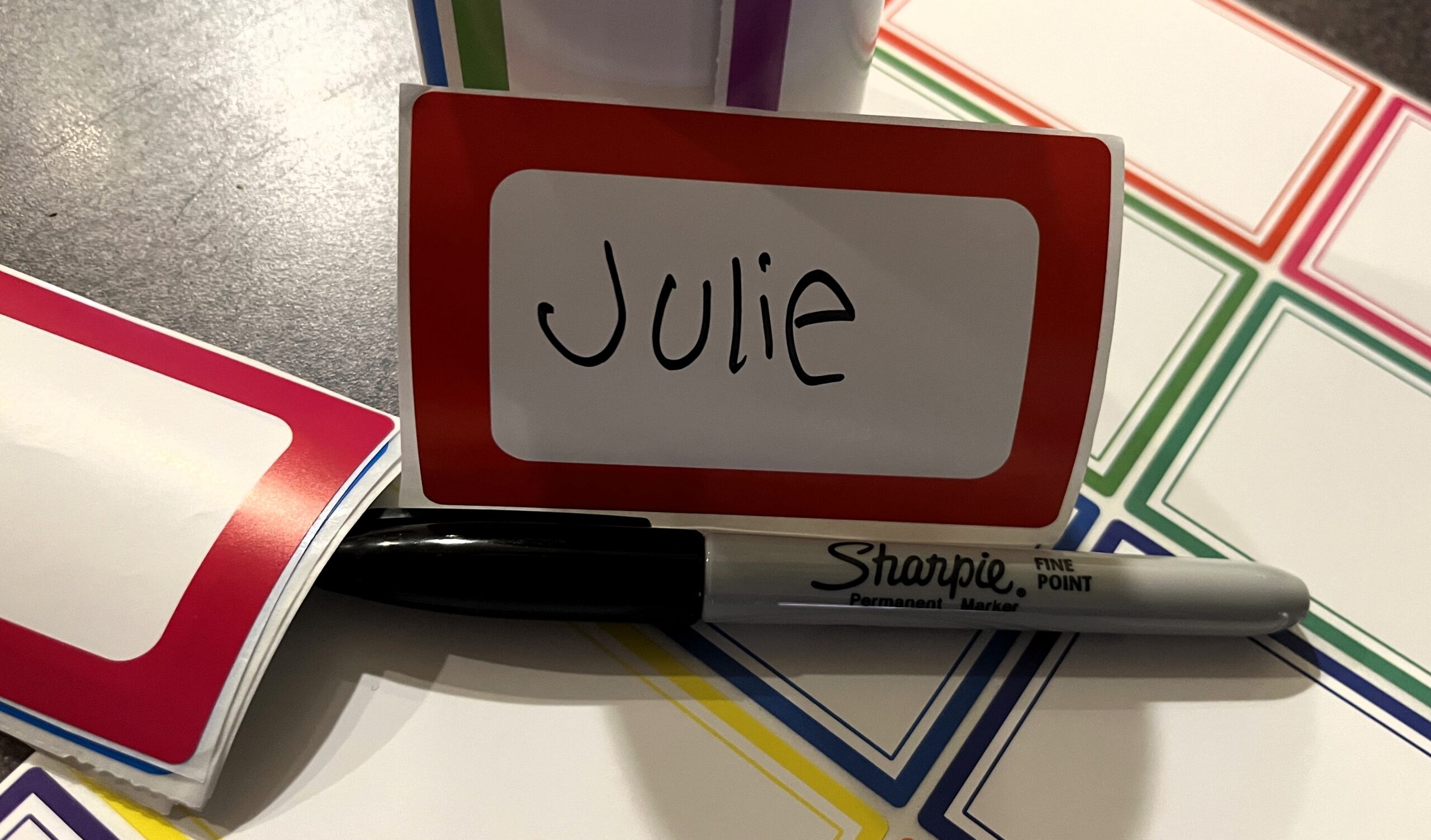
ulie’s stock of sticker name tags and trusty Sharpie pen.

Summer means outdoor gatherings, sometimes with many people who don’t know each other. Whether you’re hosting or attending such a party, I have a tool to reduce awkwardness among guests: name tags. 

I first learned this from organizing formal networking events where name tags are essential to helping people keep track of everyone they meet. I also use them in my workshops for my clients. I bring tags so I can address participants by their name.

While some people like printed out name tags with pins or magnetic backings, I prefer the simple blank sticker so people can hand write their own name (and whatever other details they want to share). Sticker tags adhere to any surface. They’re also inexpensive and easy. As a  result, I always have blank sticker name tags and Sharpie pens on hand.

After seeing the benefits of name tags for work events, I started providing them for my personal social gatherings and my guests really appreciate them.  

While some think name tags feel “too formal,”  I consider them to be an accessibility aid to support those who have less than perfect memory or hearing. For those with difficult to pronounce names, they can even write the phonetic version of their name.

I even bring my own name tag to social gatherings with unfamiliar groups. The most common response when other guests see my name tag is, “Hey, where are the name tags?” Then I tell them I brought my own. If my partner accompanies me as my guest, I bring one for him, too. To help others place him, he usually writes underneath his name, “I’m with Julie”. 

During some events, I’ve had distant acquaintances come up to me and call me by my name.  I’m sure they wouldn’t have been confident in remembering who I am if not for my name tag. One person I met at a mutual friend’s birthday party found me on LinkedIn afterwards and messaged me to say, “I’ve been telling people about your name tag.” 

This past summer, I’ve been invited to birthday parties where I don’t know many of the other guests. I started offering to the host to bring blank sticker name tags for the other guests. The hosts love it because it makes it easier for guests to introduce themselves to each other, lightening the host’s load.  

Social gatherings with strangers can be awkward. Name tags are my trick. What tips do you have to make socializing easier? 

Please consider sharing this email with anyone you know who wants to make socializing easier for themselves or for their guests. 

Best, 

Check out more CuriosityBased newsletters
You don’t have to go far to explore

Image caption: The main street in downtown Tacoma, Pacific Ave, was nearly empty on a Saturday afternoon. The Washington State Historical Museum is on the left.

The word “vacation” often evokes images of exotic, or at least faraway, places. Last month, my partner and I decided to travel to a nearby regional city for our annual summer vacation. 

Even though Tacoma is only 35 miles south of where I live in Seattle, it feels quite different. I love its low-key, chill vibe. It has a quarter of Seattle’s population, half its density, and 70 percent of its median household income.

To experience local living, we rented an AirBnB in a residential neighborhood instead of staying downtown. We visited the city’s history and art museums, parks, and waterfront for the first time. Just as I would when I travel to places a lot farther away, I paid special attention to what looks different from home. 

  • There were a lot fewer people walking on the streets. 
  • I didn’t see any homeless encampments, open drug use, or black markets anywhere – not even downtown or near freeway entrances.
  • The cars people drove are generally much older, gasoline models, rather than electric powered vehicles.
  • There were more families with young children. 
  • There were fewer people of Asian heritage

Here are my two big takeaways: 1) I don’t have to travel far to experience cultural differences, and 2) what I notice says a lot about what I consider to be normal: busy streets; homelessness and open drug use; newer, electric vehicles (Seattle has the third most Tesla owners in the US); more dogs than young children; and a 20% Asian population. 

Practicing curiosity can make any destination feel more exotic. As summer winds down, you may consider “vacationing” nearby. If you do, please share what you notice and what it reveals about what you consider normal. I’d love to hear from you. 

Also, please consider sharing this email with anyone you know who is about to travel near or far. 

Best,

Check out more CuriosityBased newsletters
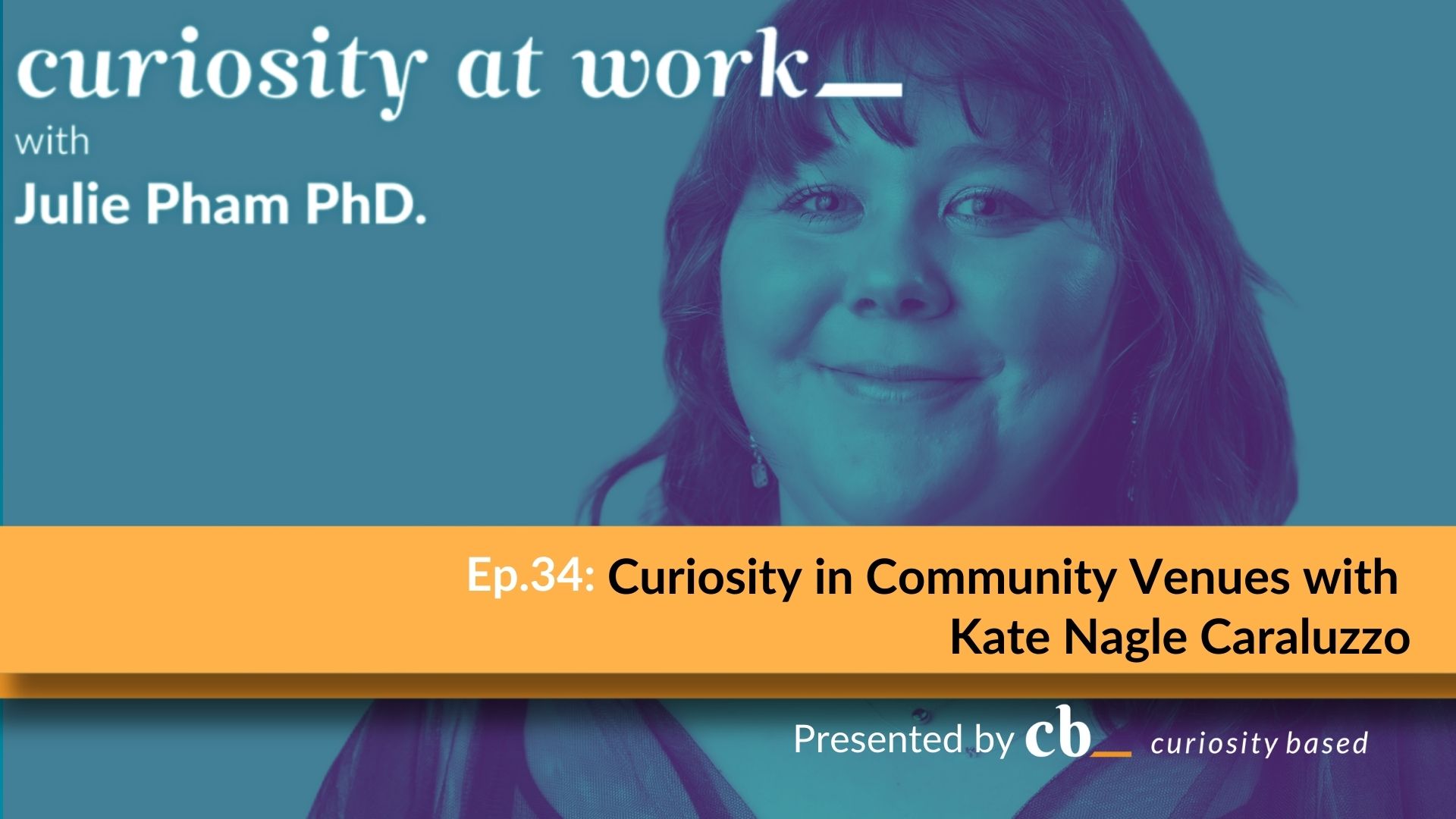
#34: Curiosity in Community Venues with Kate Nagle Caraluzzo

#34: Curiosity in Community Venues with Kate Nagle Caraluzzo

In Episode 34 of the Curiosity at Work podcast, Dr. Julie Pham speaks with Kate Nagel-Caraluzzo, Executive Director of Town Hall Seattle, about curiosity in nonprofit leadership and arts and culture spaces.

Town Hall Seattle serves as a hub for civic dialogue, performances, author talks, and diverse community programming. Behind every event is a complex operation balancing logistics, neutrality, responsiveness, and mission.

In this conversation, they explore:

• Why curiosity is essential for effective nonprofit leadership
• The challenge of maintaining a neutral venue for diverse perspectives
• How flexibility and responsiveness support community engagement
• Why the journey to an answer can matter more than the answer itself
• How curiosity helps leaders navigate complex decisions
• The role of empathy and open-mindedness in strategic planning

One line that captures the spirit of the episode:
“Curiosity is your only ticket in.”

Leadership in community spaces requires more than event management. It requires humility, experimentation, and the willingness to ask, How else could we do this?

🎧 Listen to Episode 34 of Curiosity at Work and go behind the scenes at Town Hall Seattle to explore curiosity in action.

More Curiosity at Work episodes at: https://curiositybased.com/category/curiosity-at-work-podcast/

#CuriosityAtWork #CuriosityBased #NonprofitLeadership #ArtsAndCulture #CommunityEngagement #CivicLeadership #TownHallSeattle #EventManagement #StrategicLeadership #OrganizationalCulture #PracticeCuriosity #SeattleNonprofits

Acknowledging the bitter and sweet

Julie’s friend’s orange bloom bush is thriving once again after it was moved from a crowded garden and replanted in a more spacious location with more room to grow.

I recently reconnected with my friend, “Colleen,” and was so inspired with how she initiated a major life transition that I asked if I could share her story here.

Colleen spent most of her life building a family and running a business with her husband. Then, about eight years ago, they divorced and ended their business together. After employing sizable teams for years, she had to get a job at a small start-up that shut down shortly thereafter. She went to another company that also had massive layoffs, then another one. After each layoff, it became harder and harder to get the next job. For another 18 months, she tried to find employment with no success. As a woman in her early sixties, she suspected she was dealing with ageism in an expensive city dominated by young professionals. 

Colleen was withering. She was living on her dwindling savings. She began questioning her self-worth. Her kids were grown and didn’t seem to need her anymore, either. The continual rejection exhausted her. 

Earlier this spring, she realized she needed to change her environment, even though it meant leaving behind everything that she knew. So, Colleen rented out her little house, packed her car with a few belongings and moved to a small tourist town in another state where there were more people her age. If it didn’t work out there, she reasoned at least it was a change from stagnating where she was. It was the first time in her life she prioritized her own needs. 

Within a week in the new town, she found a part-time retail job and a one-bedroom apartment. 

Within two months, she secured a good job that made use of leadership experience.

When Colleen recounted her story, what surprised me was her lack of bitterness. “(Seattle) was good to me for a long time. I still love it,” she said. “But it’s not the place for me any more. I had to admit that and move on.” 

I am a big fan of finding the “lessons learned” from bad experiences. But, I realized that focusing on the bad may reduce these experiences to being useful only for what they teach us not to do. Colleen reminded me to acknowledge how many of those same experiences were also once sources of joy.

Honoring the good times doesn’t mean downplaying the bad times. We can accept that our experiences are made up of both “bitter” and “sweet” parts, hence the word “bittersweet.”

The way Colleen uprooted her life and started over in a new environment reminded me of a friend’s once healthy plant that got crowded out by other plants and became sick. Sometimes we also get crowded out and have to transplant ourselves to a place that gives us more space to grow. Many of us will find that we have to re-root ourselves in new environments, workplaces, relationships to continue to thrive. 

When have you had to “re-plant” yourself so that you could thrive again? Have you acknowledged both the bitter and sweet of the former experiences?

I’d love to hear what these reflections brought up for you.

Best,

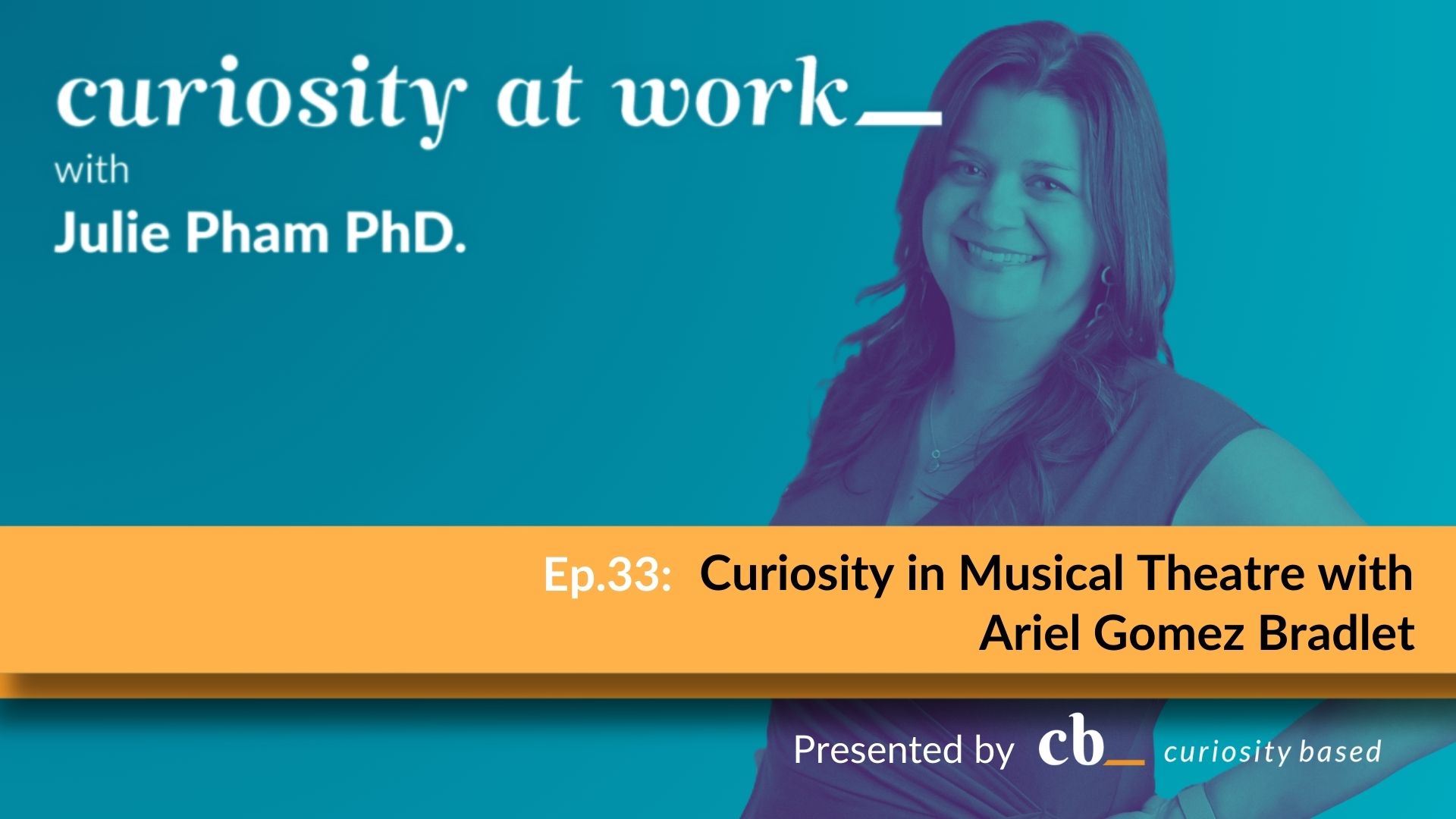
#33: Curiosity in Musical Theater with Ariel Gomez-Bradler

#33: Curiosity in Musical Theater with Ariel Gomez-Bradler

In Curiosity at Work podcast episode 33: Curiosity in Musical Theater with Ariel Gomez-Bradler, Julie speaks with Ariel who is the Managing Director of The 5th Avenue Theatre, about curiosity in musical theater and the arts.

Theater is more than what happens on stage. It is production teams, designers, technicians, administrators, musicians, and countless behind-the-scenes roles working together to create something ephemeral and unforgettable.

In this conversation, they explore:

• How curiosity fuels creativity in theater production
• The many roles that bring a live performance to life
• The financial and operational challenges facing theaters post-pandemic
• Why supporting local theaters strengthens the entire community
• How family influences can spark a lifelong practice of curiosity

One line that captures the spirit of the episode:
“Curiosity is built into our practice.”

Live theater asks us to be present. It invites us into shared stories. It depends on local talent and community support.

When we support the arts, we are investing in connection, creativity, and community vitality.

Check out Episode 33 of Curiosity at Work and go behind the scenes to explore how curiosity shapes musical theater leadership.

More Curiosity at Work podcast episodes can be found here: https://curiositybased.com/podcast

#CuriosityAtWork #CuriosityBased #ArtsLeadership #TheaterArts #MusicalTheater #CreativeLeadership #CommunityEngagement #SupportLocalArts #SeattleArts #OrganizationalLeadership #PracticeCuriosity #LiveTheater